Bordeaux
temperatur
23°
tid
04:02
Bordeaux
Celebrating wine, gastronomy, arts and culture, Bordeaux is a city that represents the very essence of the French spirit. Its heartbeat hums in cobblestone streets, sunlit quays, and the hum of cafés alive with conversation. Here, centuries-old châteaux meet avant-garde galleries, while the Garonne flows steadily under graceful bridges. Bordeaux invites you to savour life slowly—sip, wander, and lose yourself in layers of flavour, history, and quiet elegance that linger long after you leave.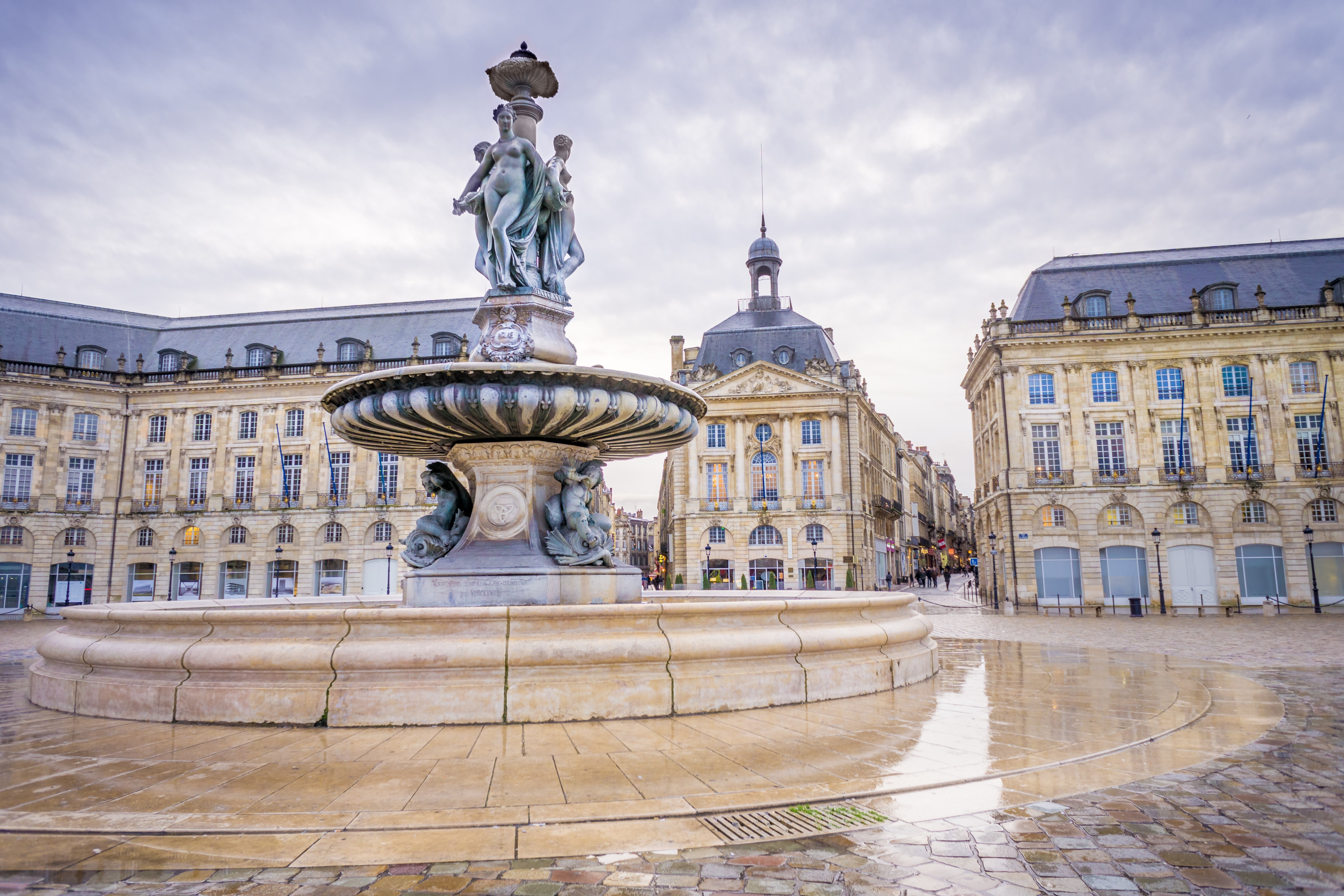 Foto: LucVi/Shutterstock
Probably the most photographed spot in Bordeaux—and for good reason. The 18th-century buildings around Place de la Bourse are part of the city’s UNESCO-listed historic centre, and they reflect perfectly in the shallow pool of the Miroir d’eau just across the road. It looks great early in the morning, but the reflections are just as striking in the evening when everything’s lit up. Kids run through the mist when it sprays every 15 minutes in summer, and photographers camp out for that symmetrical shot.
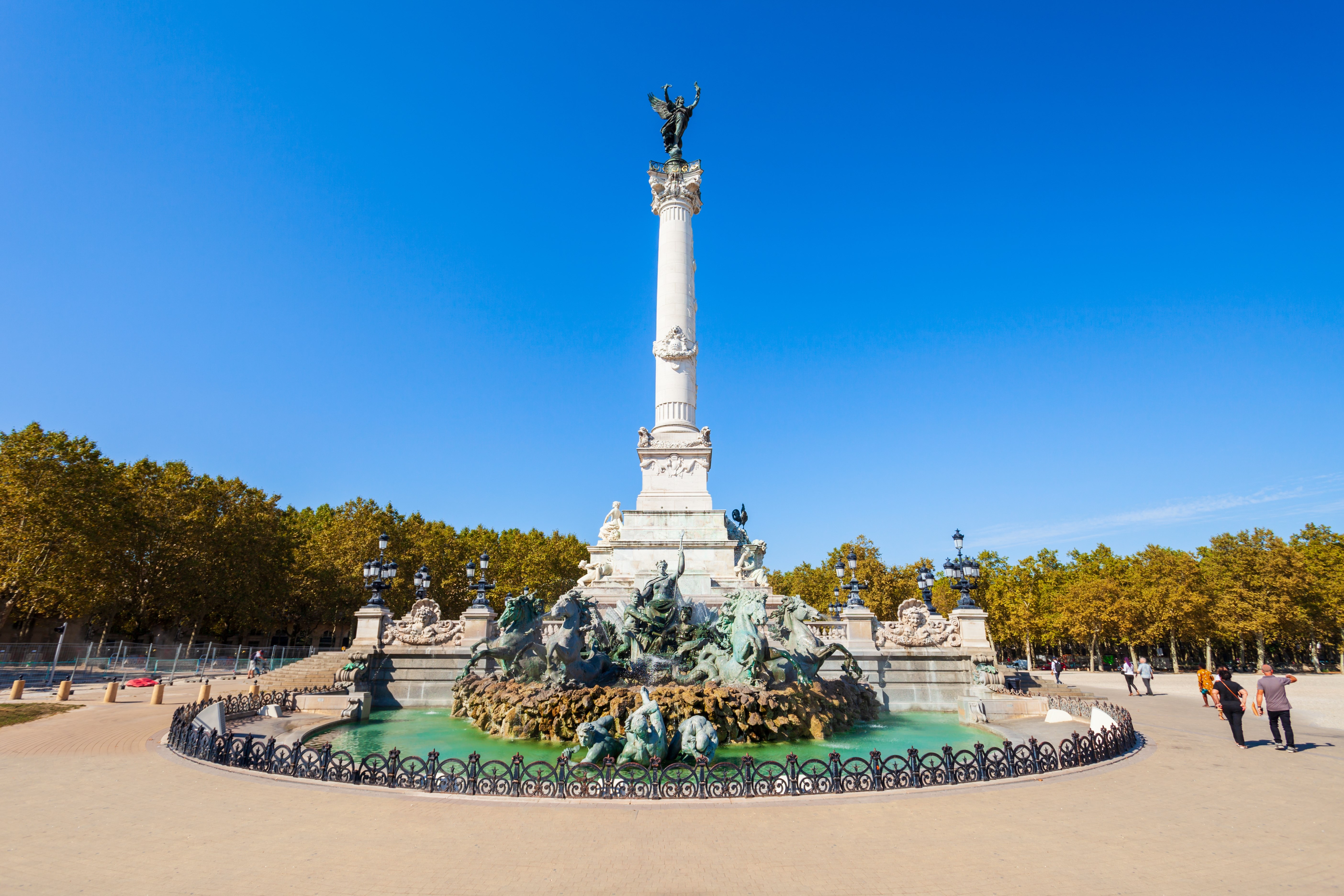 Foto: saiko3p/Shutterstock
Place des Quinconces is one of the biggest squares in France, laid out in the early 1800s where a château used to stand. At its centre is the Monument aux Girondins—a tall column topped with Liberty, surrounded by bronze fountains mid-splash. It was built to honour the Girondin deputies executed during the Revolution. The square is wide open, lined with trees, and often hosts something: funfairs, antique markets, food stalls, or temporary exhibitions.
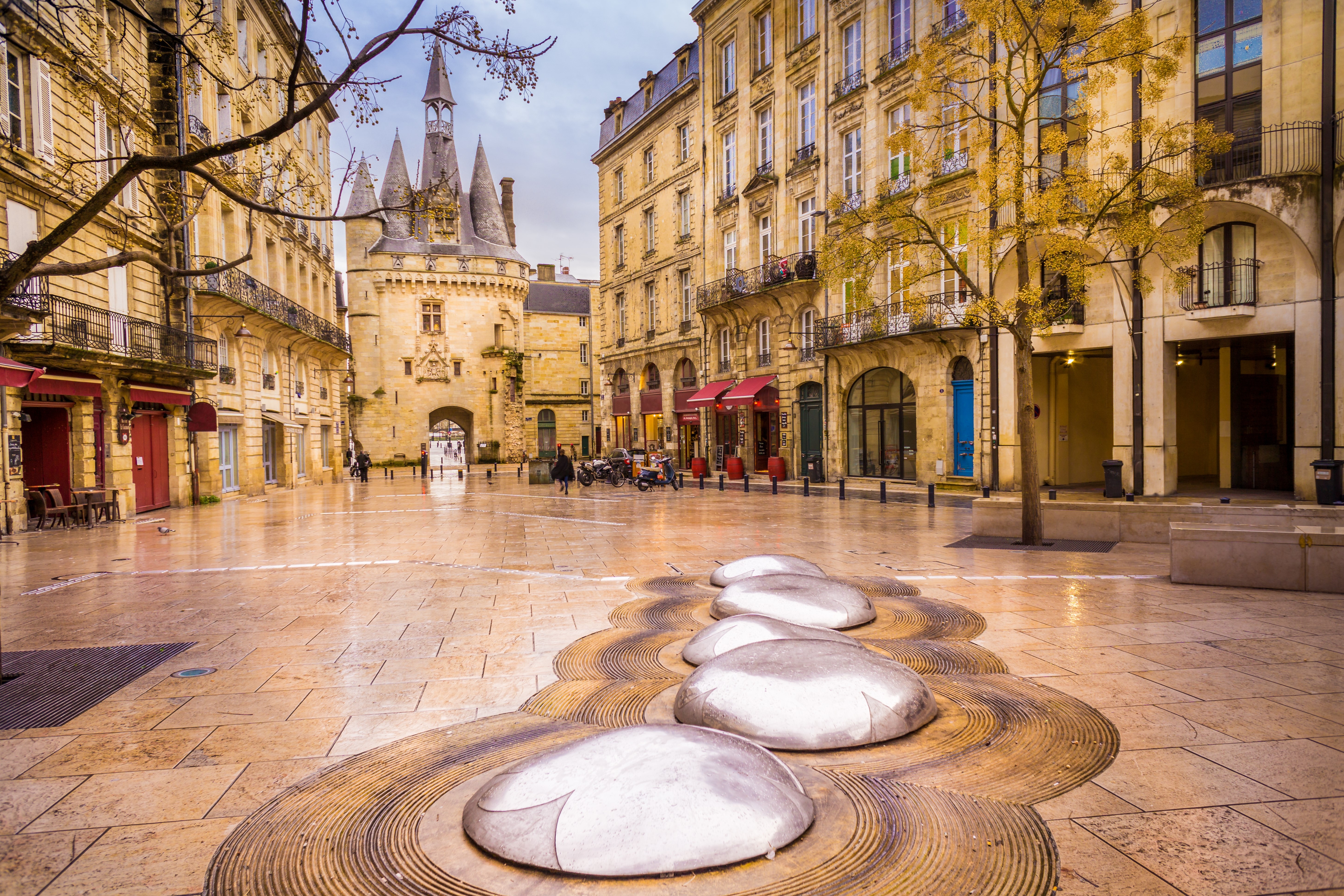 Foto: LucVi/Shutterstock
Built in 1495, Porte Cailhau was one of the main gates into medieval Bordeaux and still stands nearly unchanged. It’s about 35 metres high and part of the old city walls. Climb to the top for a good view over the river, the Pont de Pierre, and the city rooftops.
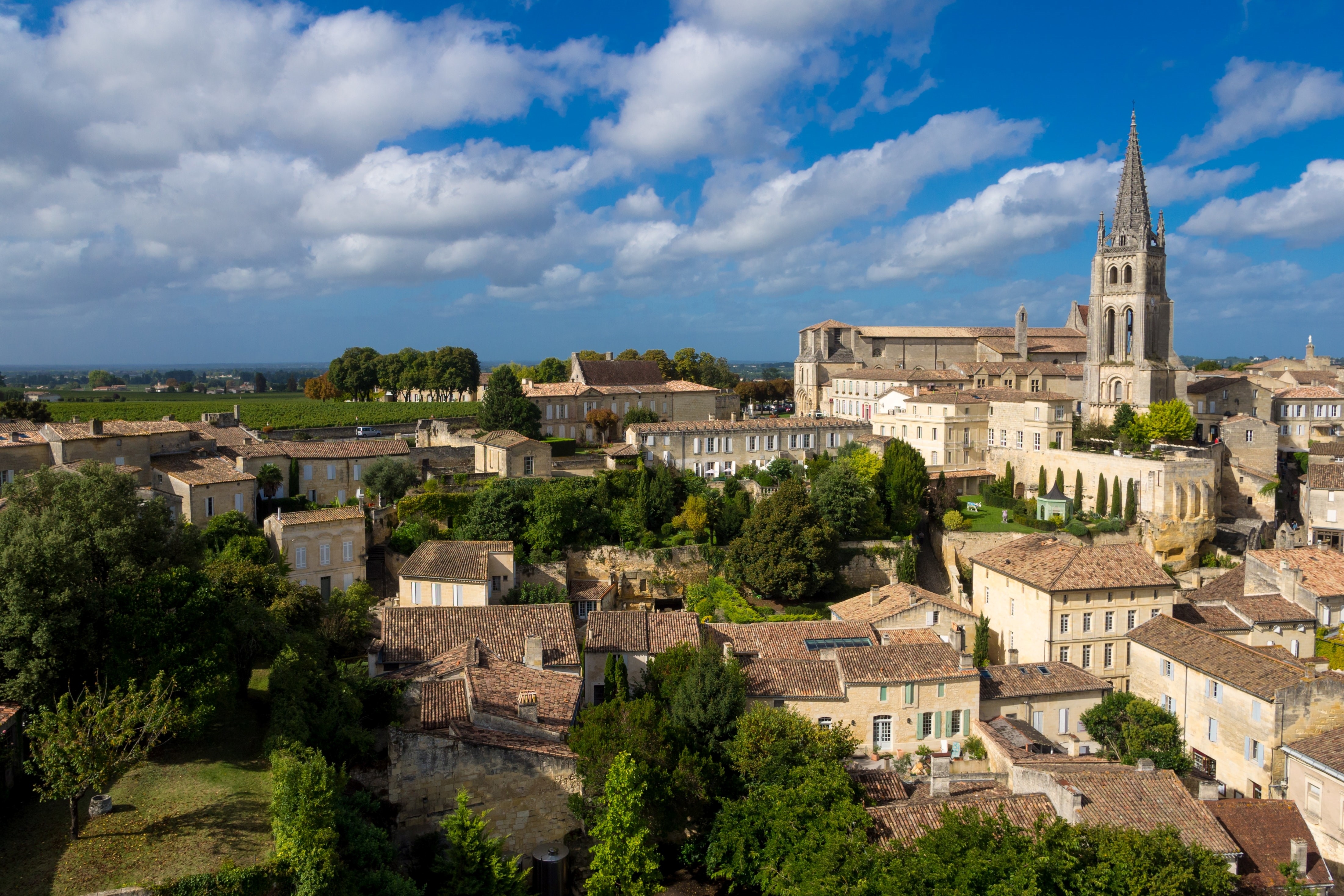 Foto: Jordy Meow/Unsplash
Spend a day sipping French reds and whites in the Saint-Emilion and Pomerol wine region on a day trip from Bordeaux. Visit two chateaux to taste the region’s famous wines and then stroll through the charming streets of the medieval town of Saint-Emilion, a UNESCO World Heritage Site.
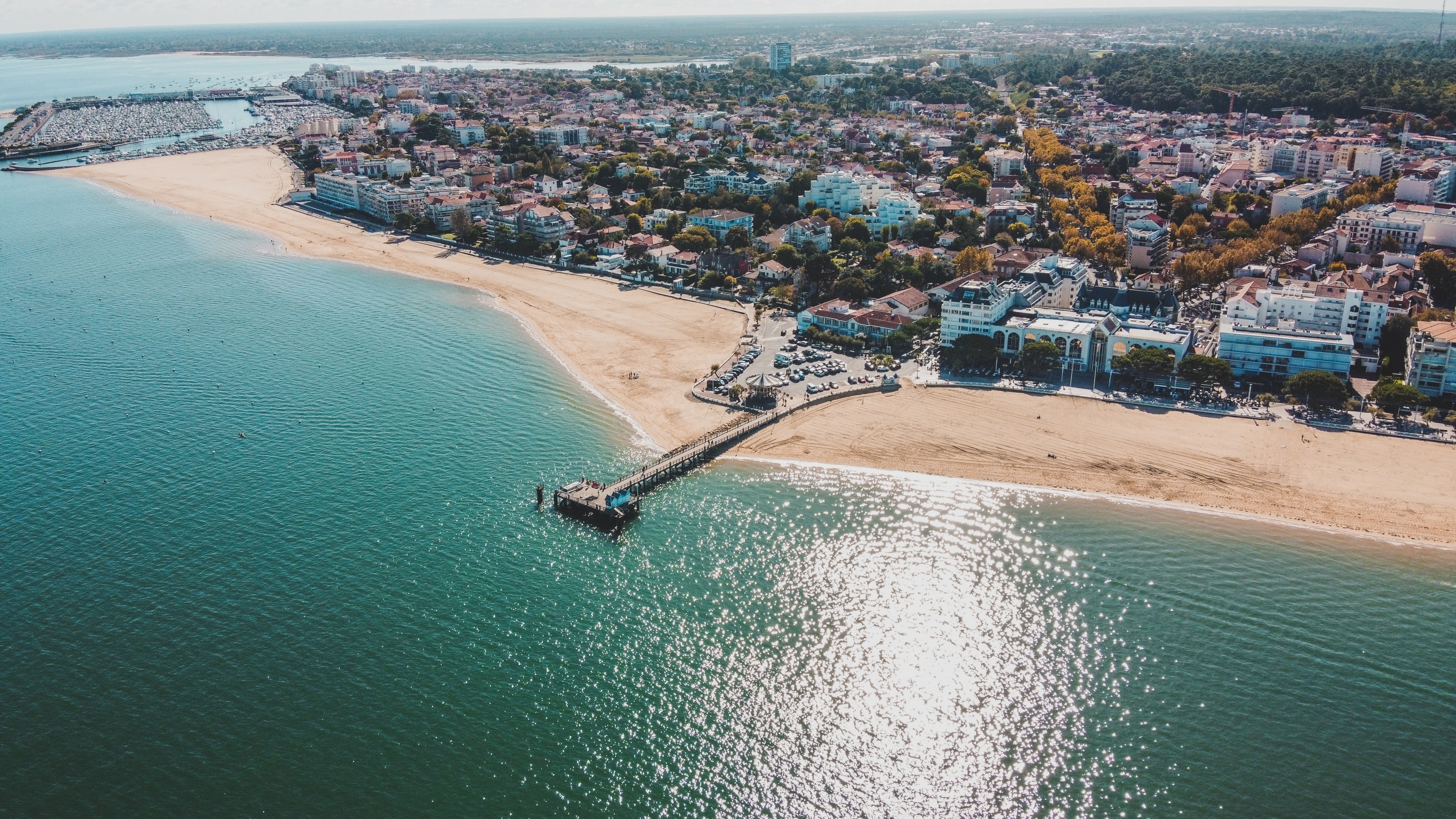 Foto: Árpád Czapp/unsplash
About an hour from Bordeaux, Arcachon Bay is known for its calm waters and wide sandy beaches, shaped by oyster farming that still thrives here. You can cycle along quiet paths, spot birds on the nearby Île aux Oiseaux, and stop for fresh oysters at one of the local seafood shacks. Just next door is the Dune du Pilat, Europe’s tallest sand dune, rising over 100 metres. Climbing it rewards you with wide views across the bay and the Atlantic beyond. Together, the peaceful bay and the towering dune make a great day out, whether you’re after nature, fresh air, or just some impressive scenery.
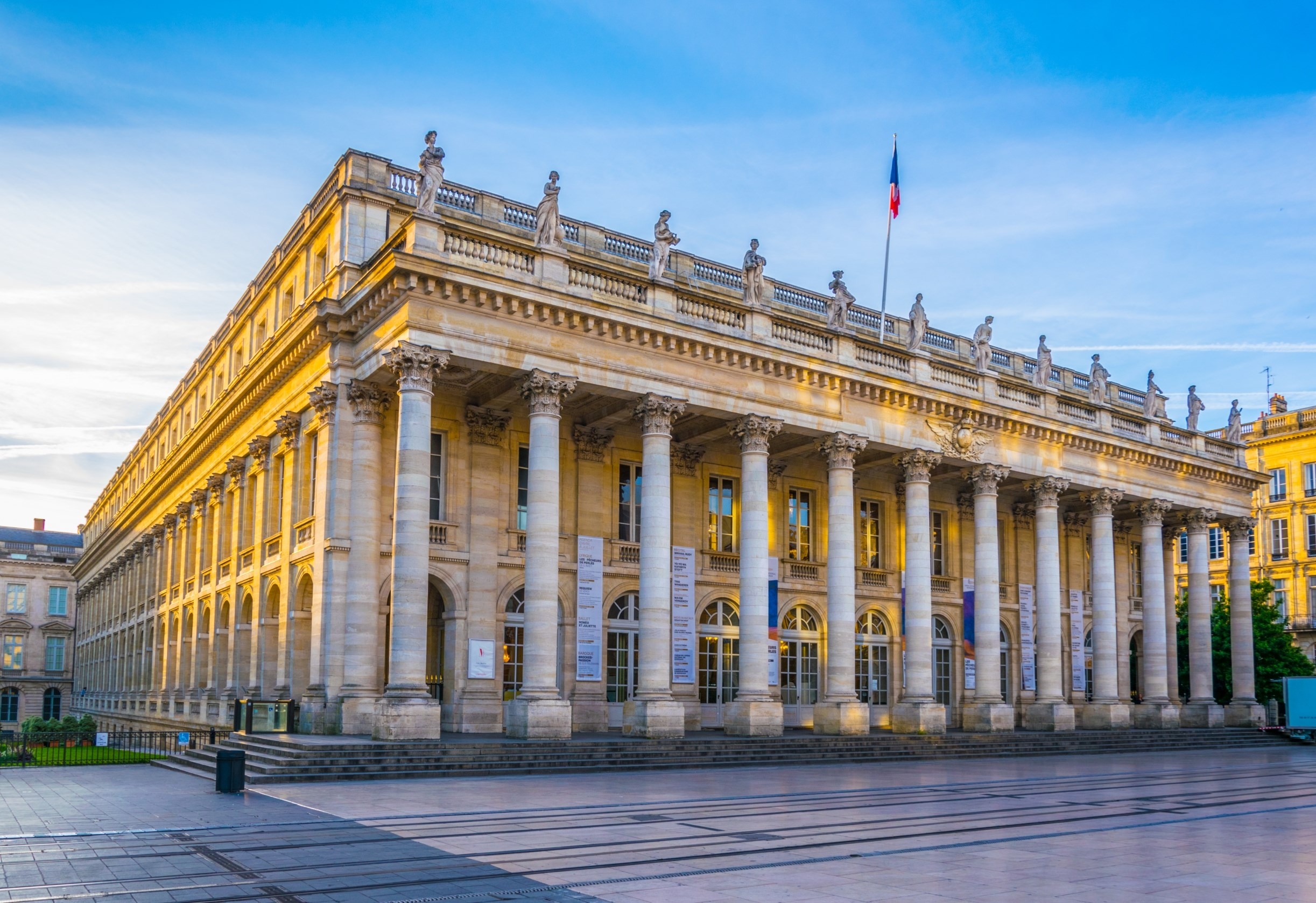 Foto: trabantos/Shutterstock
Opened in 1780, the Grand-Théâtre is one of Bordeaux’s standout buildings — all columns, symmetry, and old-world grandeur. It was built on the site of a former Roman temple and still feels like a place where something serious is about to happen. Inside, the auditorium is known for its acoustics and classical style, and it hosts opera, ballet, and orchestral concerts throughout the year.
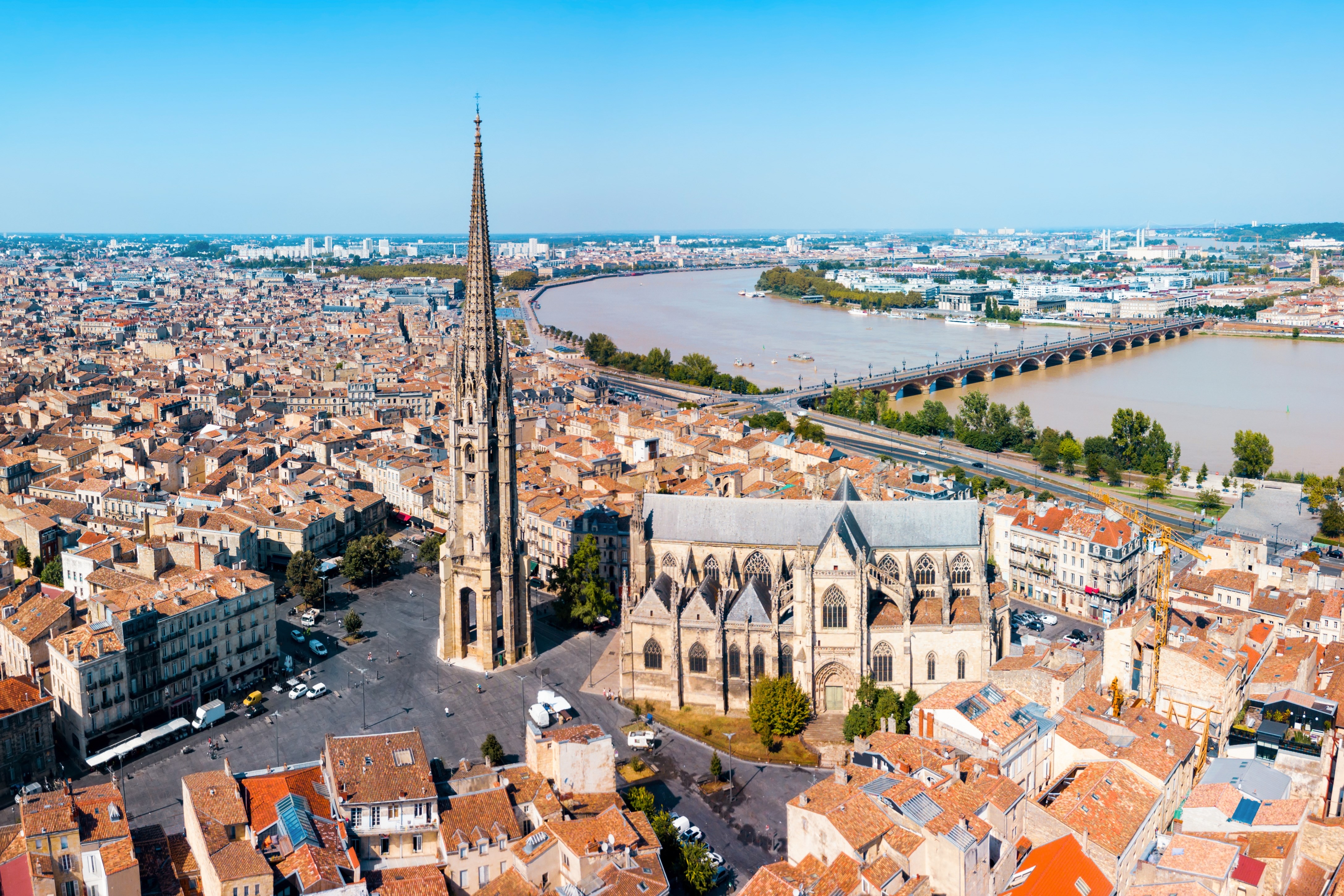 Foto: saiko3p/Shutterstock
Basilique Saint-Michel is a Gothic church dating back to the 14th century, and it stands out for its separate, 114-metre bell tower — the tallest in southern France. You can climb the tower for great views over Bordeaux. Inside, there are plenty of chapels with old artwork, and the whole place is part of the UNESCO-listed Routes of Santiago pilgrimage.
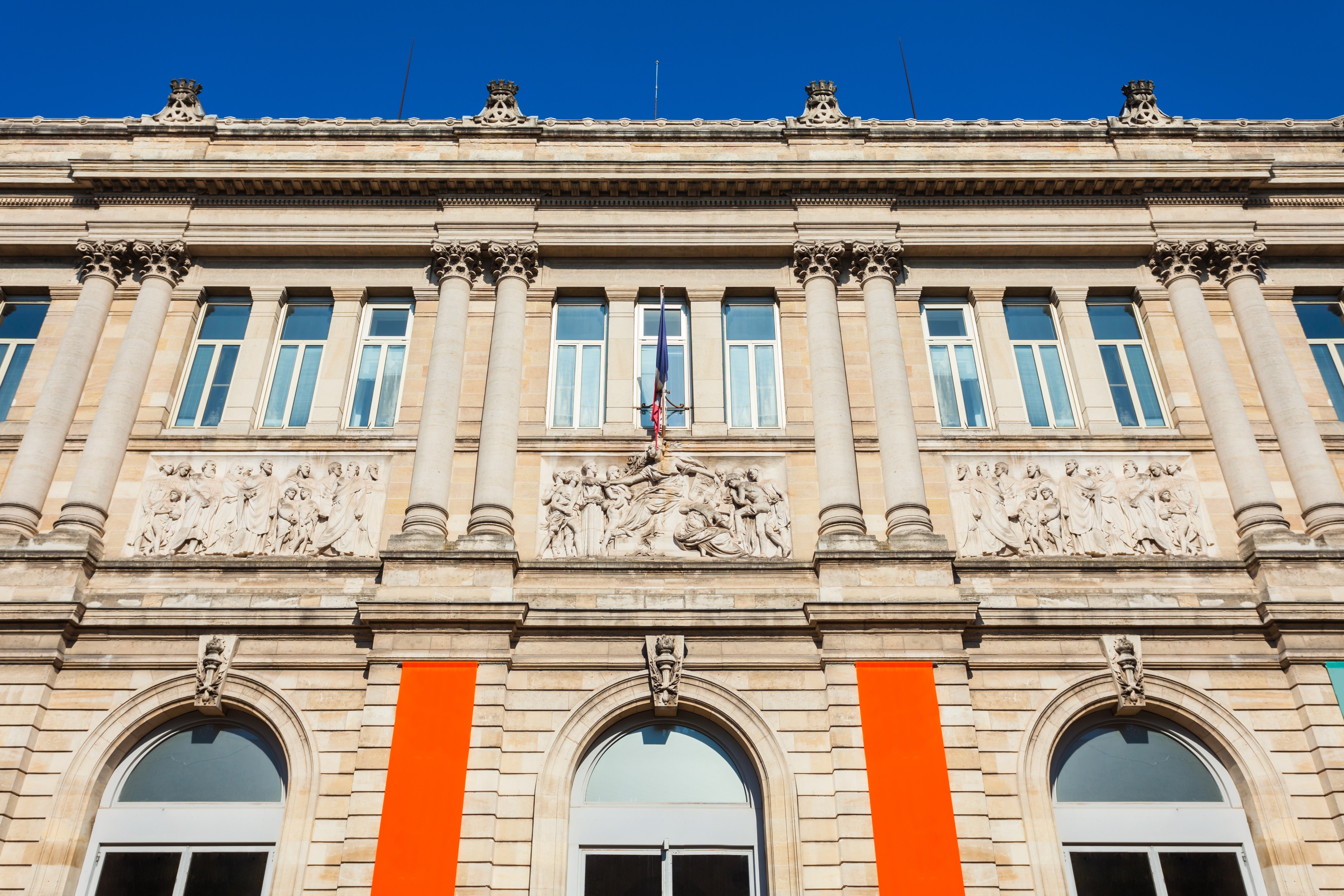 Foto: saiko3p/Shutterstock
Set in a former 16th-century convent, this museum dives deep into Bordeaux and Aquitaine’s history, with more than 70,000 items on display — from prehistoric tools to objects linked to the city’s past as a busy port.
Foto: LucVi/Shutterstock
Probably the most photographed spot in Bordeaux—and for good reason. The 18th-century buildings around Place de la Bourse are part of the city’s UNESCO-listed historic centre, and they reflect perfectly in the shallow pool of the Miroir d’eau just across the road. It looks great early in the morning, but the reflections are just as striking in the evening when everything’s lit up. Kids run through the mist when it sprays every 15 minutes in summer, and photographers camp out for that symmetrical shot.
Foto: saiko3p/Shutterstock
Place des Quinconces is one of the biggest squares in France, laid out in the early 1800s where a château used to stand. At its centre is the Monument aux Girondins—a tall column topped with Liberty, surrounded by bronze fountains mid-splash. It was built to honour the Girondin deputies executed during the Revolution. The square is wide open, lined with trees, and often hosts something: funfairs, antique markets, food stalls, or temporary exhibitions.
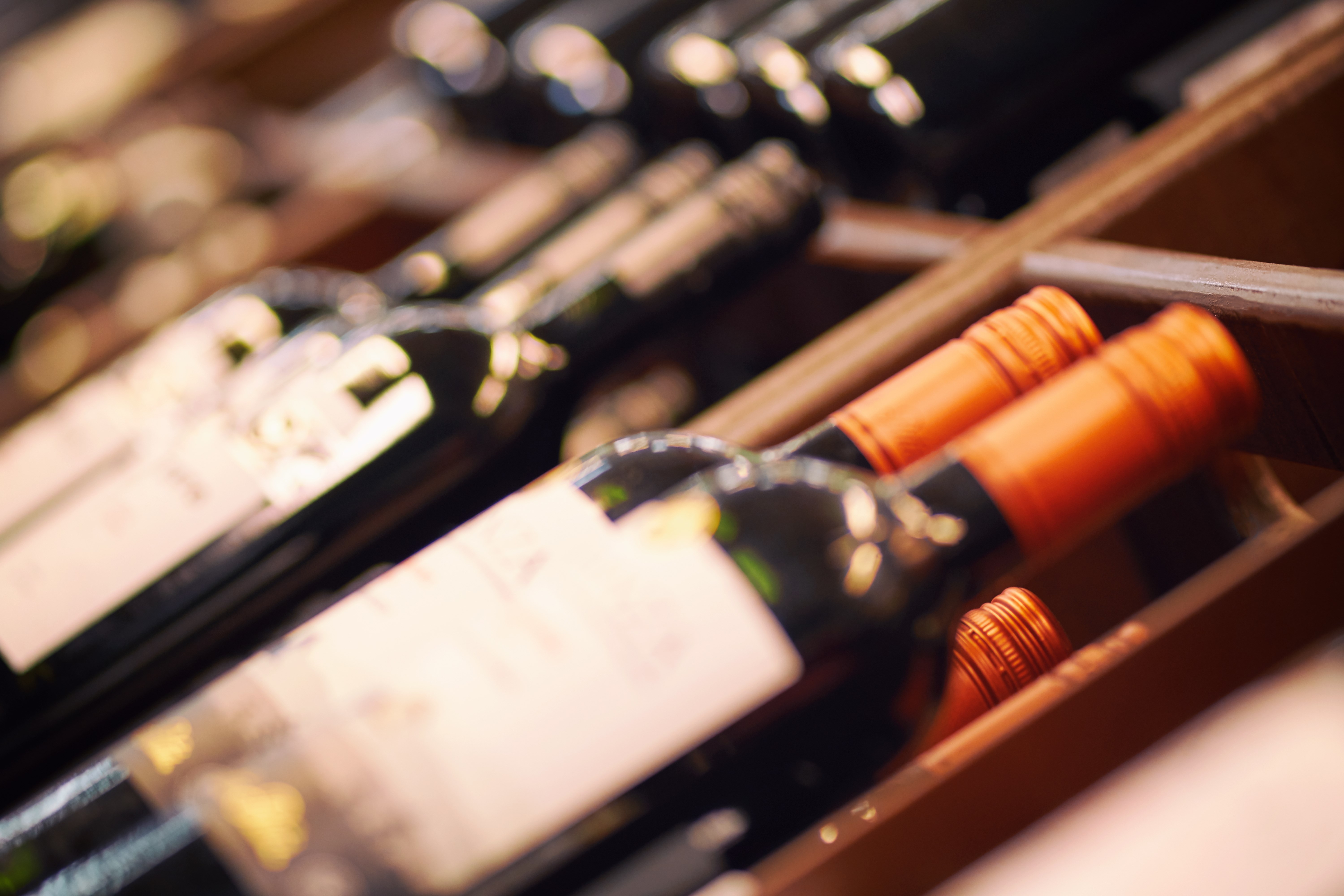 Foto: Maryshot/Shutterstock
L'Intendant Grands Vins de Bordeaux is a must-visit wine cellar, set in an impressive space featuring a stunning circular staircase. Along its walls, you’ll find fine vintages dating back to 1945, offering a deep dive into Bordeaux’s rich wine heritage.
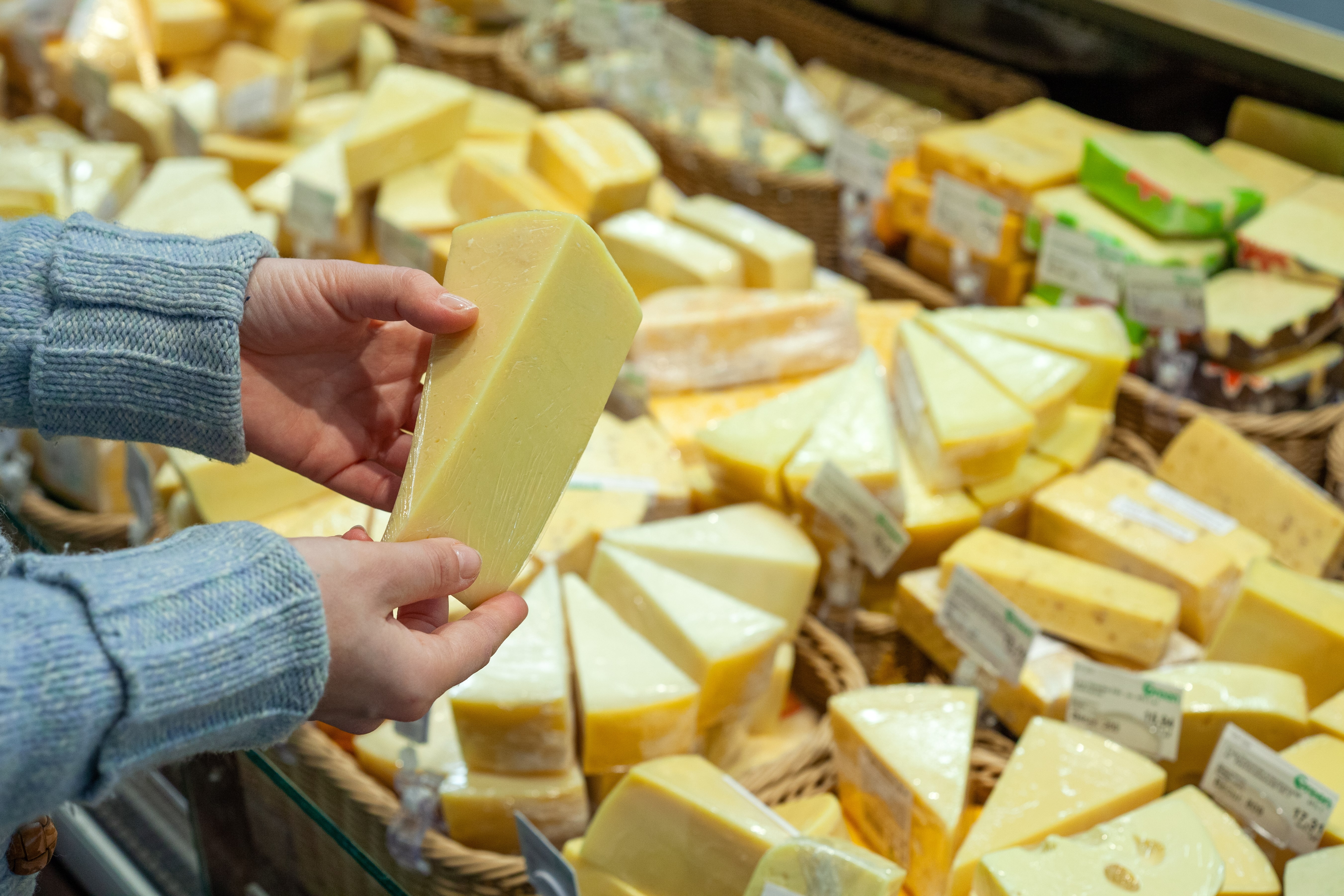 Foto: 8th.creator/Shutterstock
Marché des Capucins is Bordeaux’s bustling food market and a true local institution. Right in the heart of the city, it’s the place to find fresh produce, cheeses, and wines, plus ready-to-eat treats and coffee.
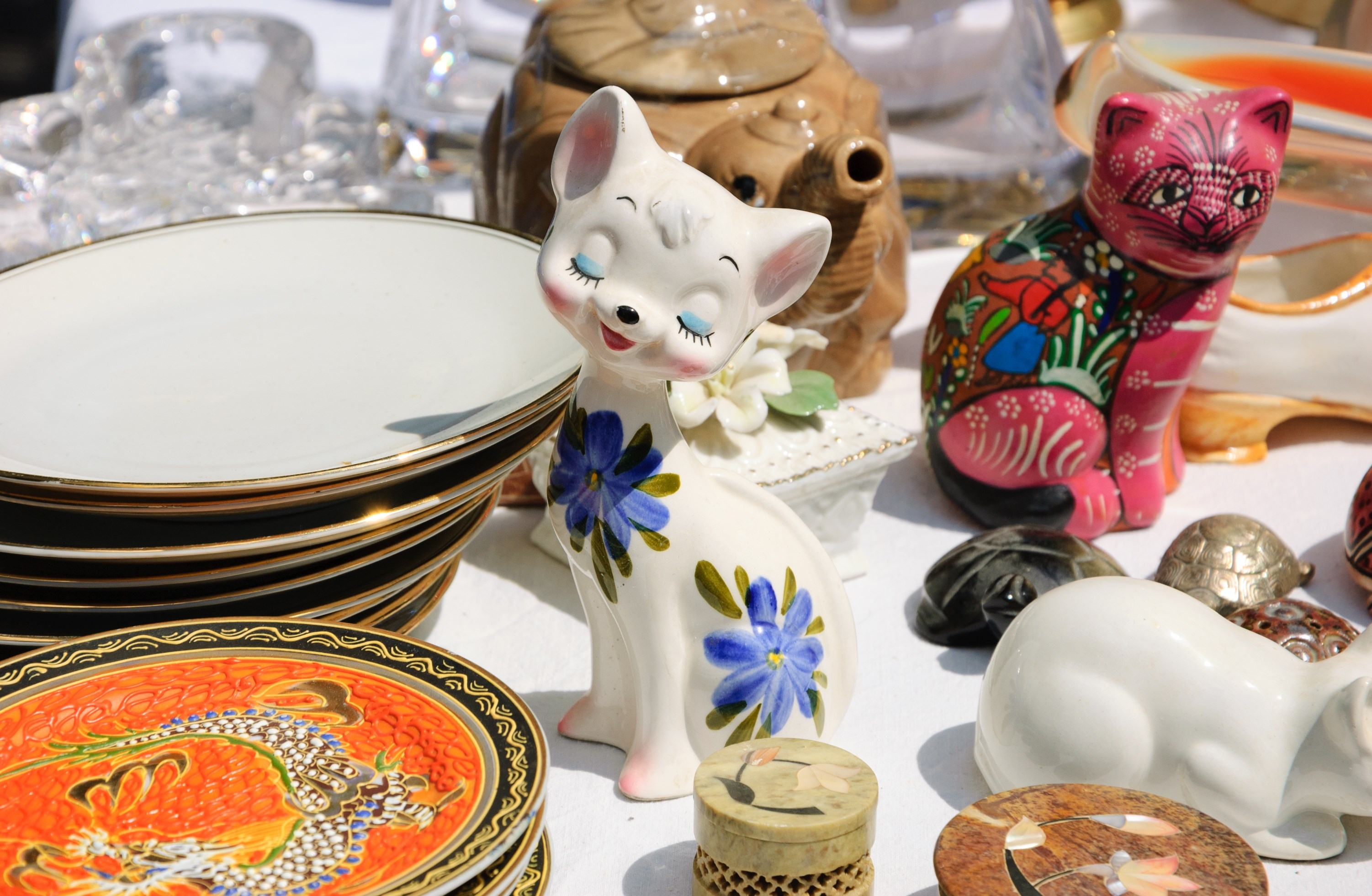 Foto: Elena Dijour/Shutterstock
Experience a classic slice of local life at the Saint‑Michel markets along Quai de Salinières. On Saturdays, the Marché Royal is the livelier option, with everything from fresh produce and cheese to ceramics and vintage finds. Mondays are for Marché Neuf, a bit more low-key but great for second‑hand clothes, books, and curiosities. It’s a favourite weekend ritual for many locals—part treasure hunt, part people-watching, and always worth a stroll.
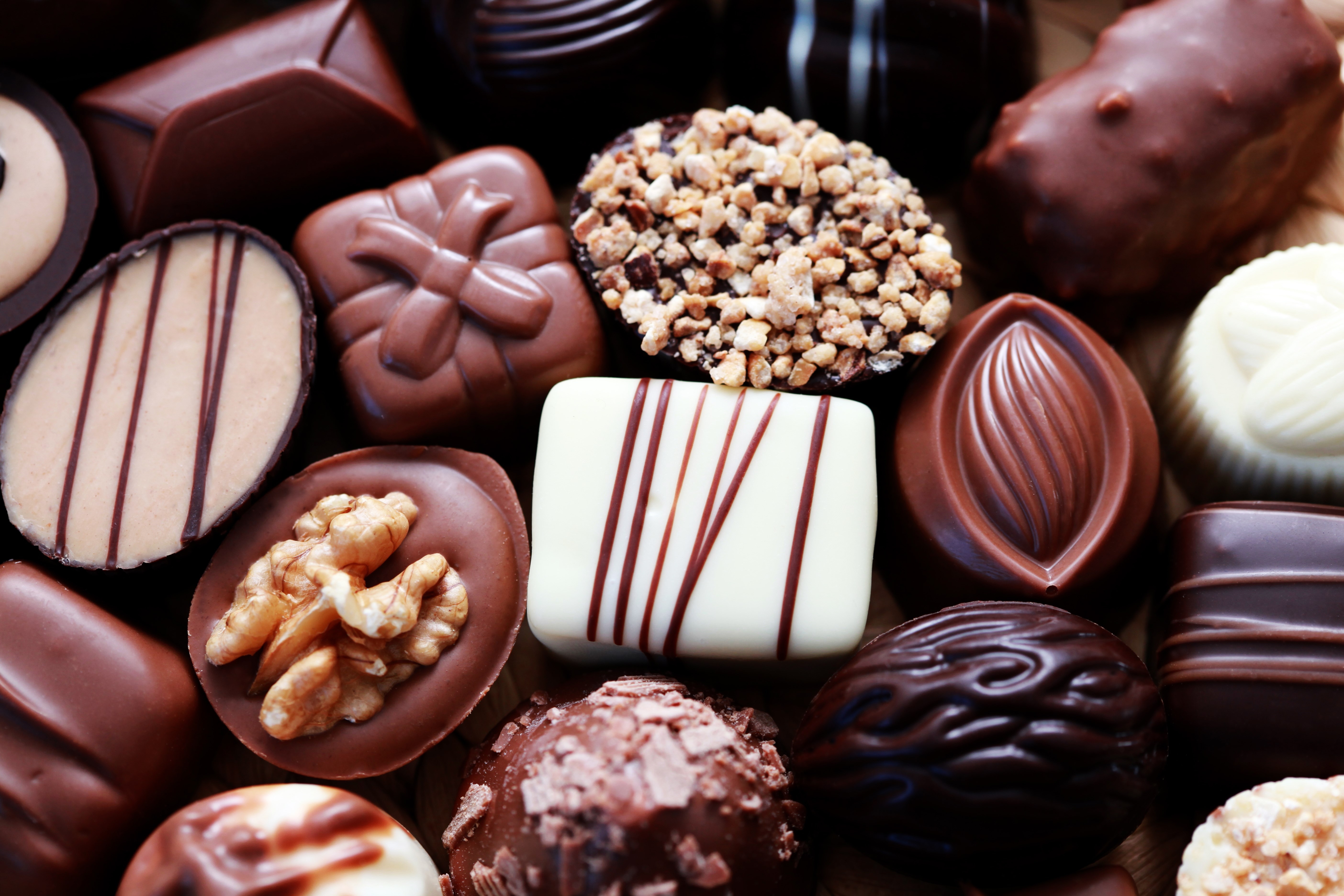 Foto: matka_Wariatka/Shutterstock
Les Noisettines du Médoc is a small, family-run shop that specialises in hazelnut-based treats from the Médoc region. If you’re into artisanal sweets, this place is a little gem — crunchy pralines, creamy spreads, and chocolates that highlight the rich, nutty flavour of local hazelnuts. It’s perfect for picking up authentic, handmade goodies that make for great souvenirs for those back home.
 Foto: Cozine/Shutterstock
Librairie Mollat has been part of Bordeaux since 1896, and it shows. Tucked into the city’s historic centre, this independent bookshop is more than just shelves and spines—it’s a local institution. The selection is vast, covering everything from literature and philosophy to cookbooks and comics, with plenty of art and science in between.
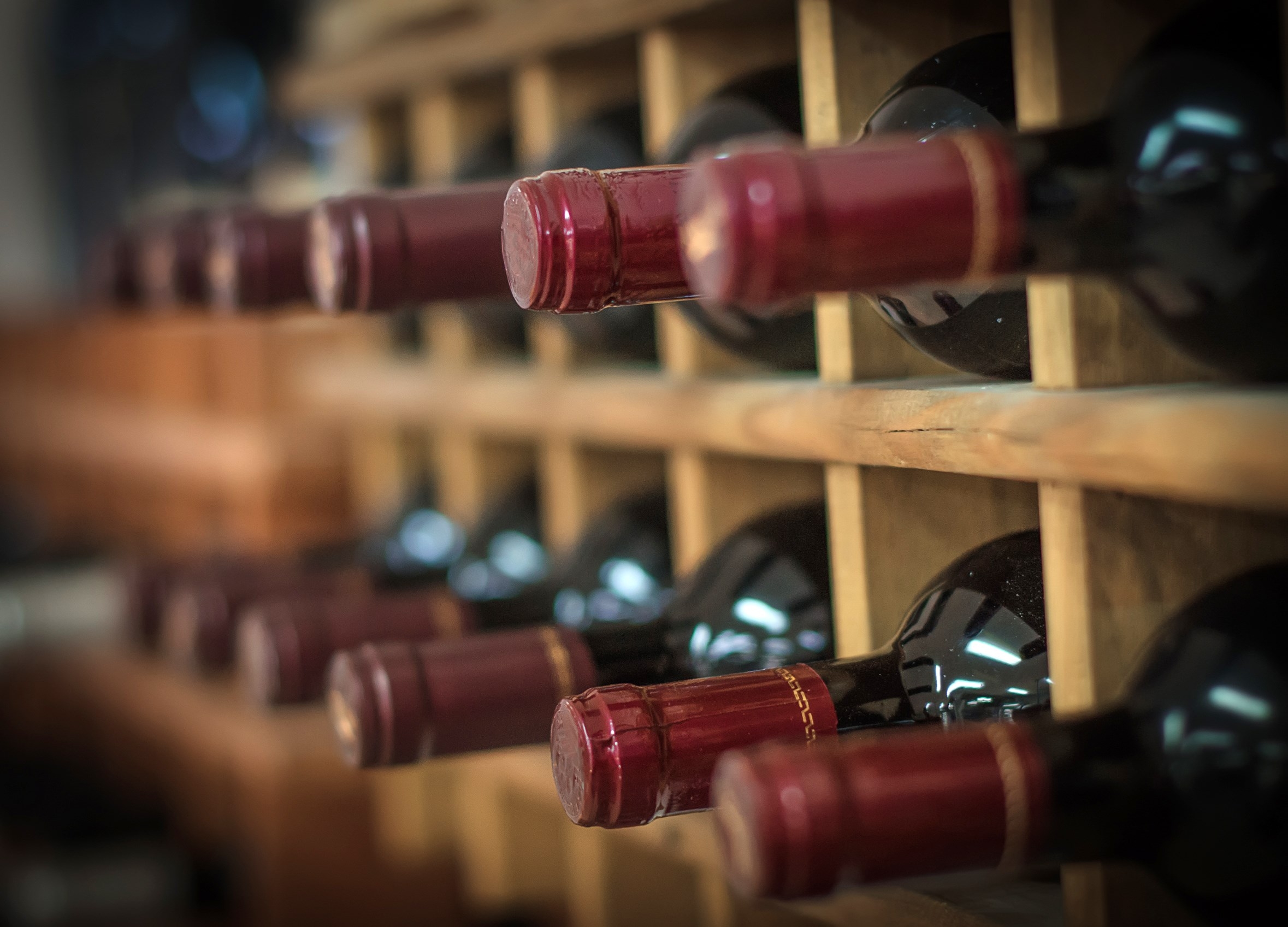 Foto: M-Production/Shutterstock
For wine lovers who don't want to venture out to the distant wineries and chateaux, Bordeaux's streets and squares are generously peppered with wine merchants. One of the oldest and most renowned among them is Badie. Offering a selection of rare champagnes, high-end wines and premium liquors, Badie is housed in an elegant 18th-century building, providing an exquisite shopping experience right in the heart of the city.
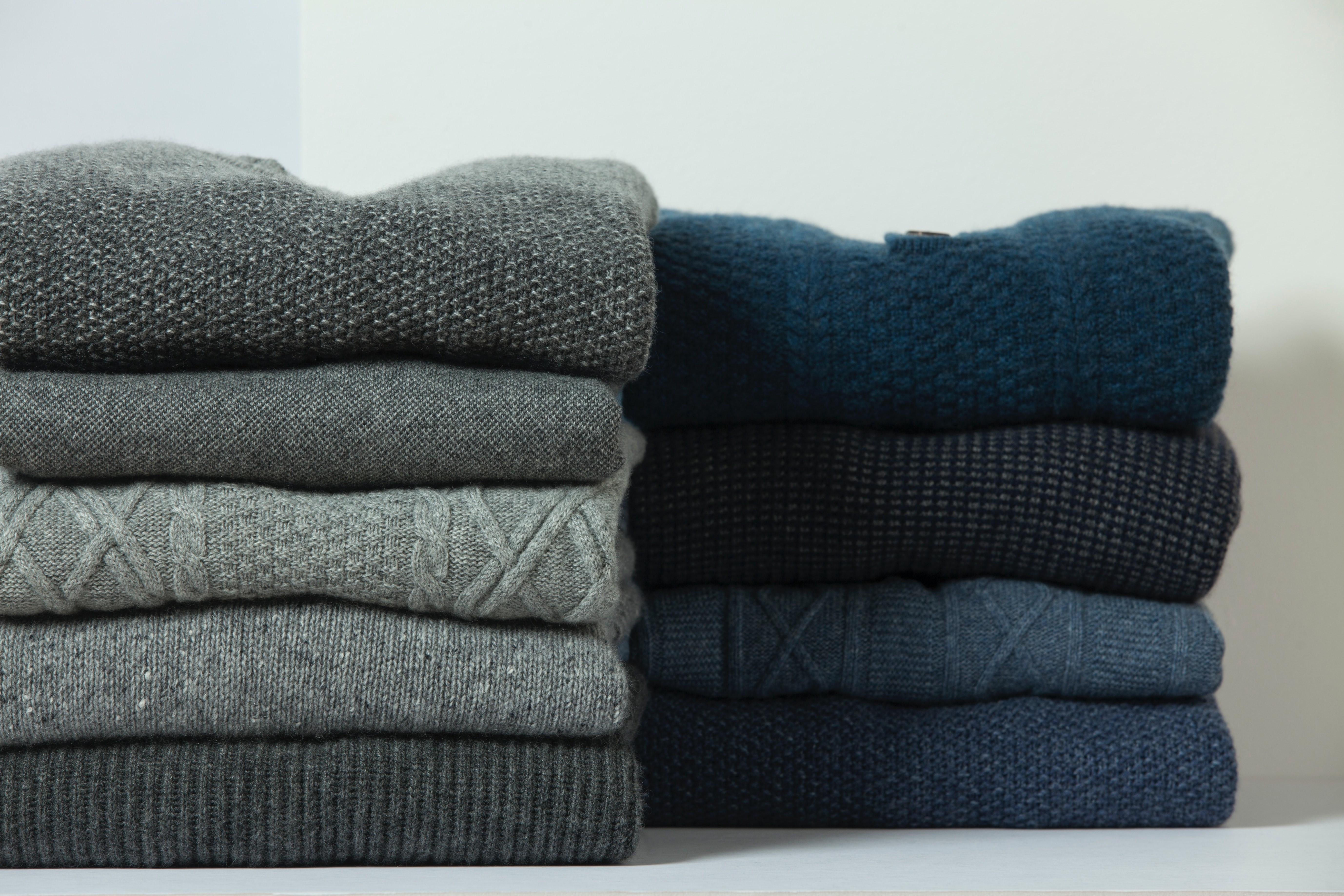 Foto: Johnstons of Elgin/unsplash
Pétrusse is the spot if you’re looking to take home something a bit special. Set inside a historic building near the Grand Théâtre, the shop is known for its elegant scarves, shawls, and pashminas—many made from silk, cashmere, or wool and often designed in-house.
 Foto: Ground Picture/Shutterstock
If you feel like giving your credit card a little workout, Galeries Lafayette Bordeaux is the place to go. Housed in an elegant historic building, this department store offers a carefully curated selection of high-end fashion, beauty, and accessories. It’s a stylish and comfortable spot to browse premium brands with attentive service to match.
Foto: Maryshot/Shutterstock
L'Intendant Grands Vins de Bordeaux is a must-visit wine cellar, set in an impressive space featuring a stunning circular staircase. Along its walls, you’ll find fine vintages dating back to 1945, offering a deep dive into Bordeaux’s rich wine heritage.
Foto: 8th.creator/Shutterstock
Marché des Capucins is Bordeaux’s bustling food market and a true local institution. Right in the heart of the city, it’s the place to find fresh produce, cheeses, and wines, plus ready-to-eat treats and coffee.
The best time to visit Bordeaux is in spring (April to June) or early autumn (September to October), when the weather is comfortable, the city isn’t packed with tourists, and there’s plenty to do. In June, you’ve got Fête de la Musique filling the streets with live music, and every other year, Bordeaux Fête le Vin sets up along the river with wine tastings and food stalls.
Bordeaux–Mérignac Airport (BOD) is located about 12 km west of the city centre, with the journey taking between 30 to 45 minutes depending on the mode of transport. Travellers can take tram line A directly from the airport to central Bordeaux in around 35 minutes. The 30’Direct shuttle runs between the airport and Gare Saint-Jean train station in about 30 minutes. The Liane 1+ bus is a cheaper option, reaching the city in roughly 45 minutes. Taxis and ride-shares are also available outside the airport.
Citizens of the European Union (EU) and European Economic Area (EEA) countries do not need a visa to enter France, only a valid ID. Many other countries, including the United Kingdom, the United States, Canada, the United Arab Emirates, Australia, and New Zealand, benefit from visa-free entry for short stays of up to 90 days within a 180-day period. Visitors from visa-exempt countries must hold a valid passport and, starting in late 2025, will need to apply for an ETIAS (European Travel Information and Authorisation System) authorisation online before travelling. For those requiring a visa, such as travellers from some Middle Eastern, African or Asian nations, a Schengen visa must be obtained prior to arrival. All travellers should ensure their passport is valid for at least three months beyond their intended stay.
Getting around Bordeaux is pretty straightforward thanks to the TBM network, which runs the city’s trams, buses, and even a river shuttle called the Bat³. The tram system is easy to use, with four lines that cover most major areas, while buses fill in the rest. The Bat³ offers a scenic ride along the Garonne, and if you're up for cycling, the city’s V3 self-service bikes are everywhere. Tickets work across all modes and come in single rides, day passes, or weekly options. For visitors, the Bordeaux CityPass is worth considering—it includes unlimited public transport plus free entry to museums and other perks. You can buy tickets at machines, in shops, or on the TBM app—just don’t forget to validate them before boarding. For information on routes, timetables and fares, visit TBM's official website.
Taxis in Bordeaux are easy to find, especially at taxi ranks or by hailing them on the street; they’re usually black or dark blue with a roof light indicating availability. You can also book ahead using the local app Taxi Couleurs Bordeaux. Ride-sharing apps like Uber and Bolt also operate in the city.
In Bordeaux, most post offices are open Monday to Friday from around 9 am to noon, then again from 2 pm to 5 or 6 pm. Many also open on Saturday mornings. They handle everything from regular mail and international parcels to registered letters and basic banking through La Banque Postale. For simple things like stamps, it’s often easier to pop into a nearby 'bureau de tabac'. As for posting, just drop your letter into one of the yellow and blue mailboxes around town.
Pharmacies in Bordeaux are easily identified by the green cross, often illuminated, on their exteriors. Most staff speak at least some English, especially in central locations, and they can often help with minor ailments, travel-related issues, or replacement prescriptions. Many pharmacies also carry toiletries, basic first-aid items, and travel essentials. Opening hours typically follow shop times (roughly 9 am to 7 pm), but a rota of pharmacies de garde ensures there’s always one open after hours or on Sundays—check online or ask at any pharmacy for the nearest one.
Country code: + 33 Area code: 5
The best time to visit Bordeaux is in spring (April to June) or early autumn (September to October), when the weather is comfortable, the city isn’t packed with tourists, and there’s plenty to do. In June, you’ve got Fête de la Musique filling the streets with live music, and every other year, Bordeaux Fête le Vin sets up along the river with wine tastings and food stalls.
Bordeaux–Mérignac Airport (BOD) is located about 12 km west of the city centre, with the journey taking between 30 to 45 minutes depending on the mode of transport. Travellers can take tram line A directly from the airport to central Bordeaux in around 35 minutes. The 30’Direct shuttle runs between the airport and Gare Saint-Jean train station in about 30 minutes. The Liane 1+ bus is a cheaper option, reaching the city in roughly 45 minutes. Taxis and ride-shares are also available outside the airport.