London
temperatur
13°
tid
22:22
London
London is the cultural, political and economic heart of Britain, famous for its world-class museums, galleries, royal palaces, shopping destinations, West End theatre shows and award-winning restaurants. Whether you want to stay in a 5-star luxury hotel and sip Champagne on the London Eye or find a cheap hostel and stroll around one of London's beautiful Royal Parks, you're sure to find something that suits your budget and interests.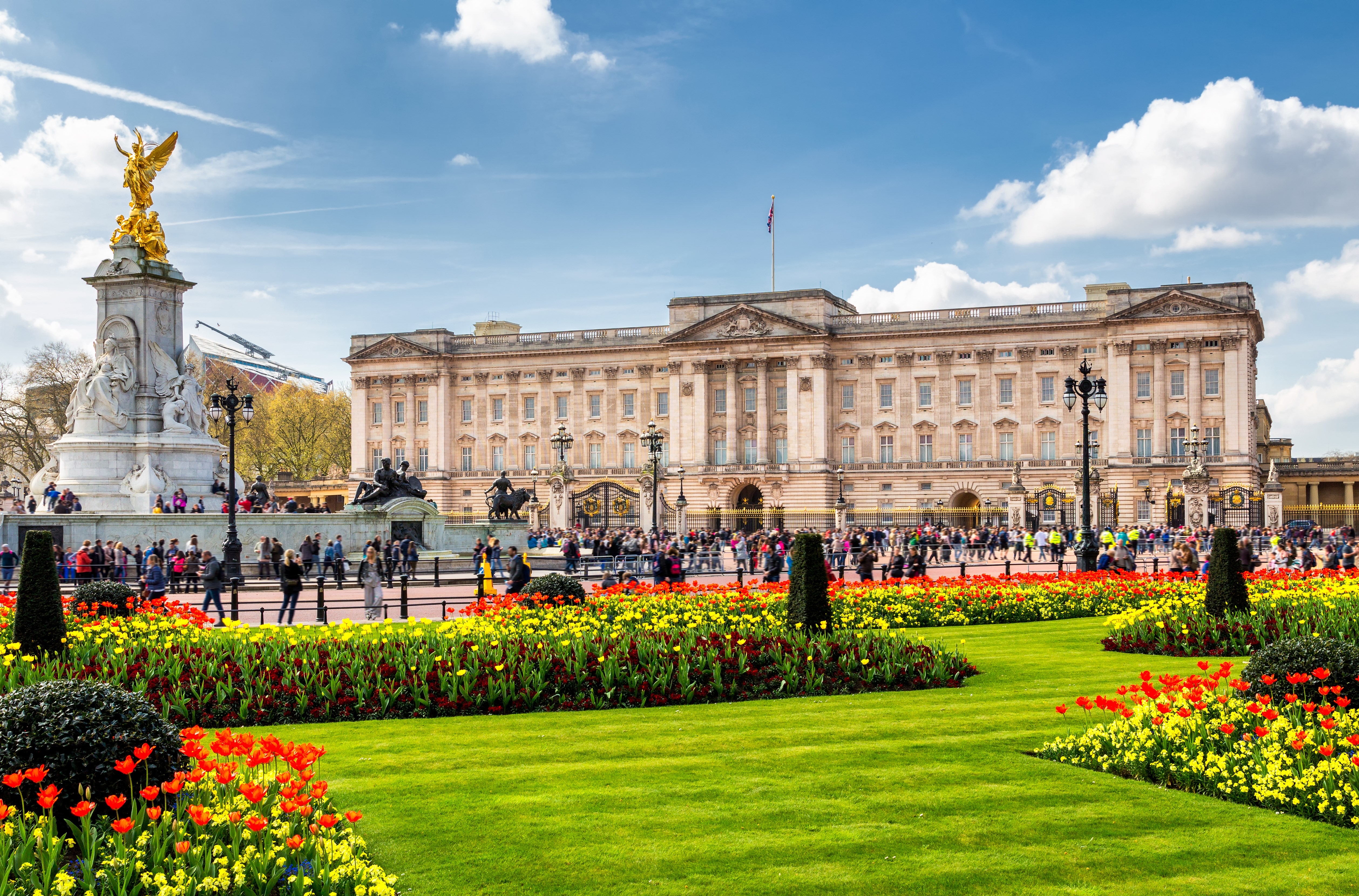 Foto: DaLiu/shutterstock
During the summer months, Buckingham Palace — the official residence of King Charles III — opens the doors of its elegant State Rooms to the public. As well as serving as a very fancy backdrop for many official royal engagements, the rooms contain some of the finest treasures from the Royal Collection, including paintings, sculptures and fine French furniture.
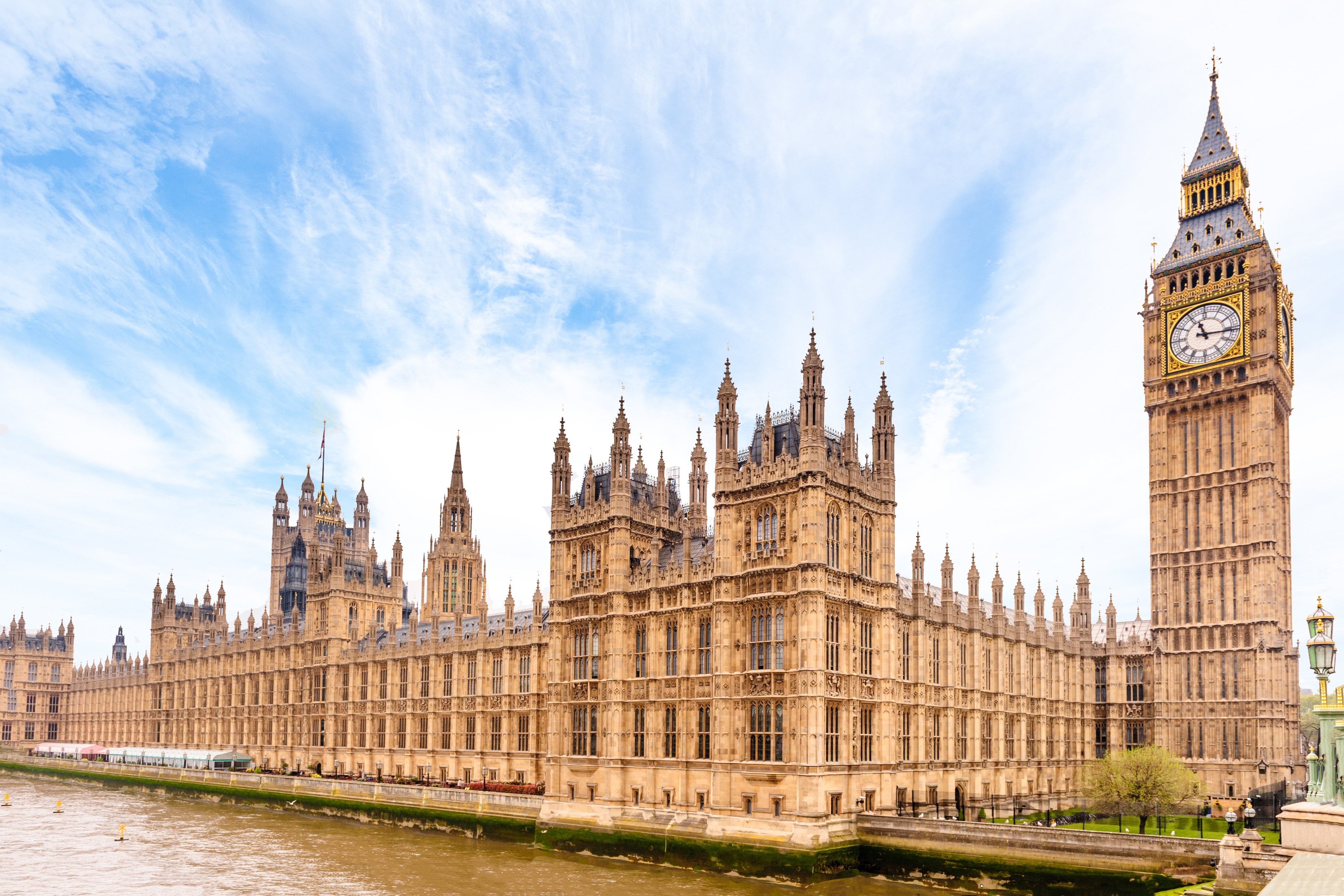 Foto: Richie Chan/shutterstock
Take a tour of the Palace of Westminster, also referred to as the Houses of Parliament, and experience 1,000 years of history. Visitors are welcomed into the building through Westminster Hall, before following in the footsteps of the Queen at the State Opening of Parliament. Marvel at the Victorian splendour of the Lords Chamber and see the famous green benches in the Commons Chamber. Audioguides and tours are available in English, French, German, Italian, Spanish, Russian and Mandarin.
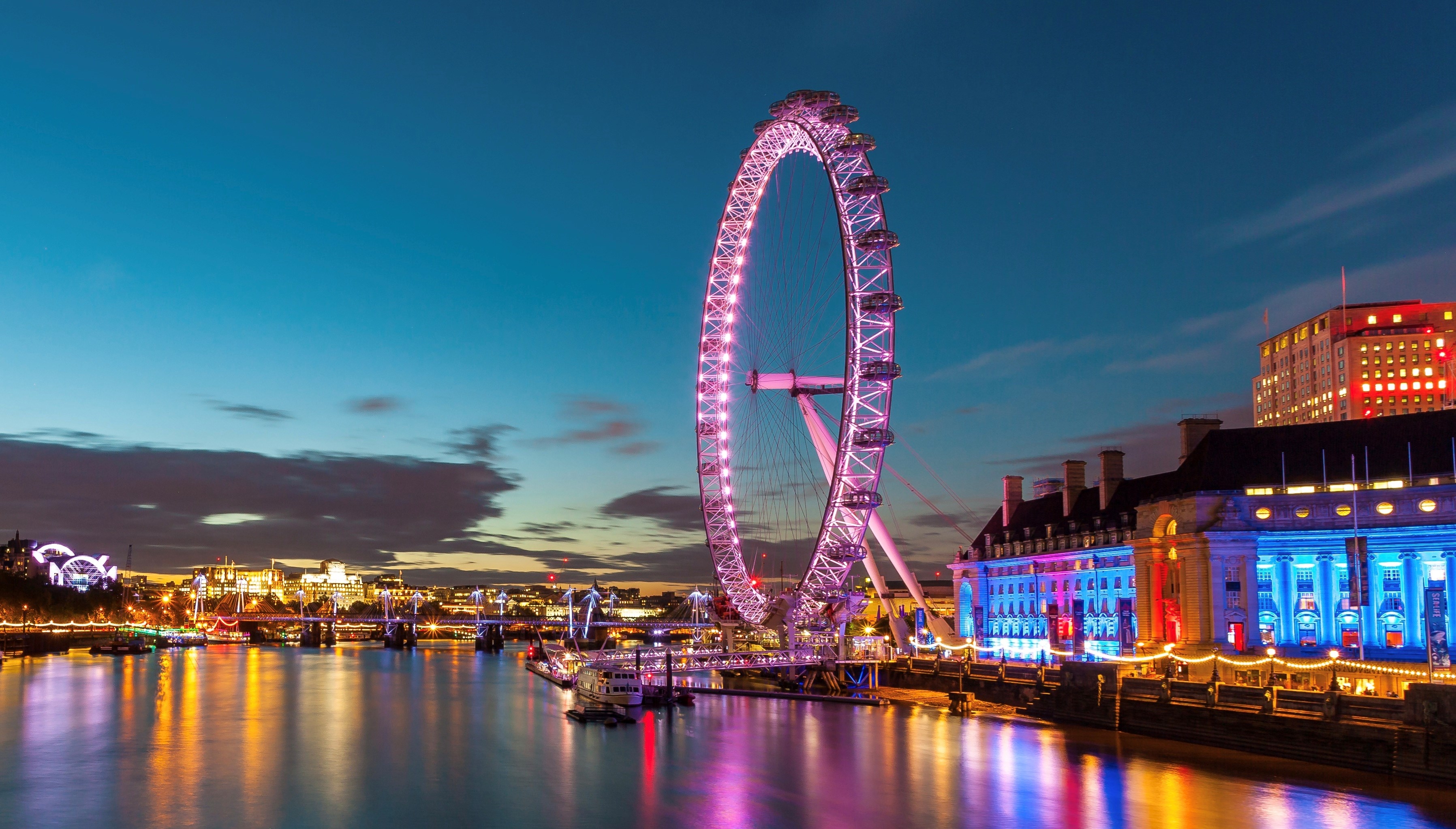 Foto: Londons Finest Eye/shutterstock
At a staggering height of 135 metres (443 ft), The London Eye offers a superb view of the capital's most famous attractions. A full rotation around the observational wheel in one of the glass capsules lasts some 30 minutes and it is so popular that each year it receives more visitors than the Taj Mahal and the Great Pyramids of Giza. And once you've taken a 360-degree ride on the wheel you'll understand why.
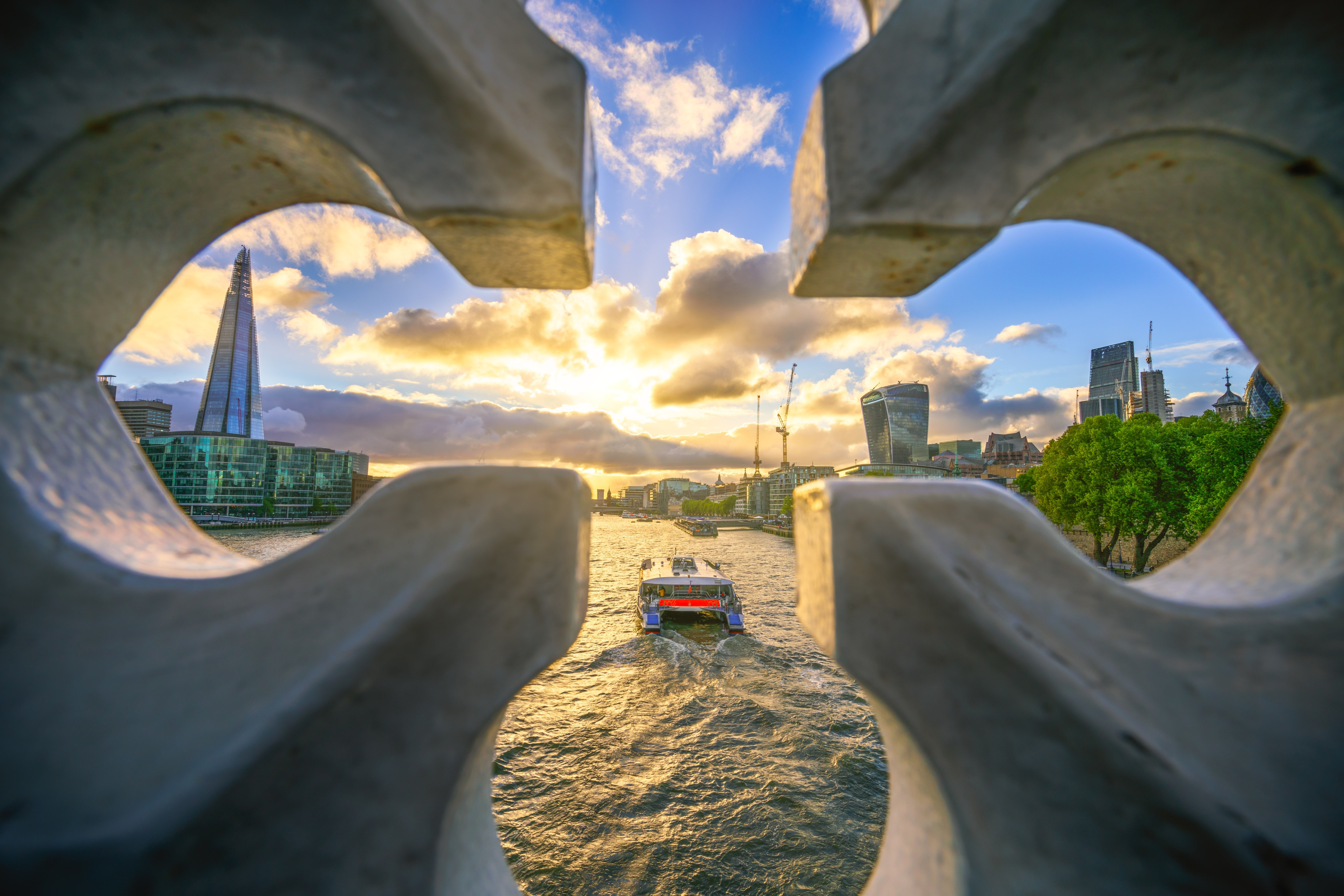 Foto: Pajor Pawel/shutterstock
See London from a different angle by taking a cruise along the famous River Thames. Glide by some of London’s top attractions from Westminster to Greenwich, and listen to the entertaining live commentary as you pass sights such as the Shakespeare’s Globe, Tower Bridge, and the Tower of London.
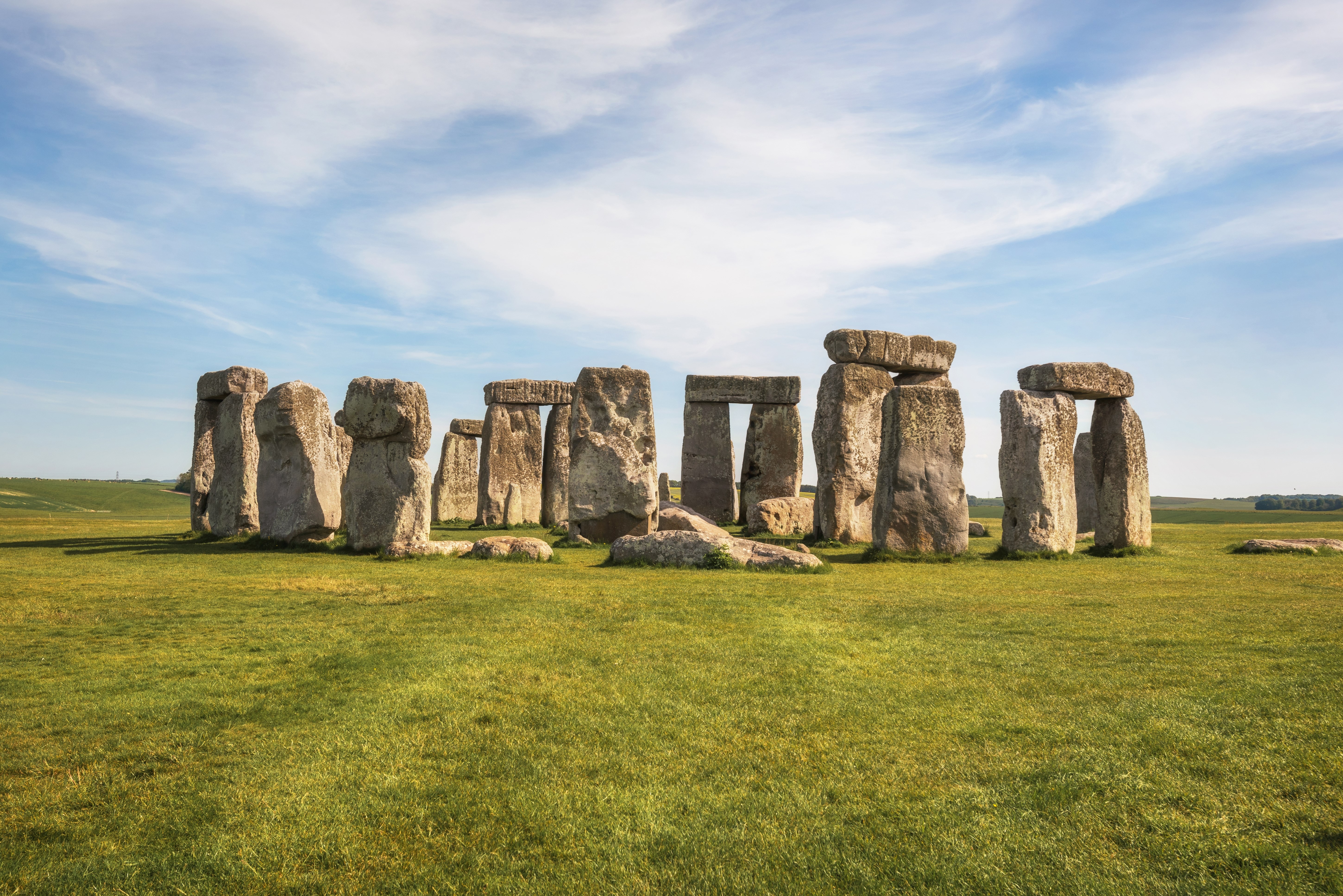 Foto: David Herraez Calzada/shutterstock
Discover three gems outside of London on a fun day trip to Stonehenge, Windsor Castle, and the historic town of Bath. First, pay a visit to Windsor Castle, home to the British royal family, for a tour of the State Apartments and St George's Chapel. Then, continue to Salisbury, where you'll get to see the enigmatic Stonehenge rock formations. Later, explore the UNESCO World Heritage-listed city of Bath, known for its elegant Georgian architecture and Roman baths.
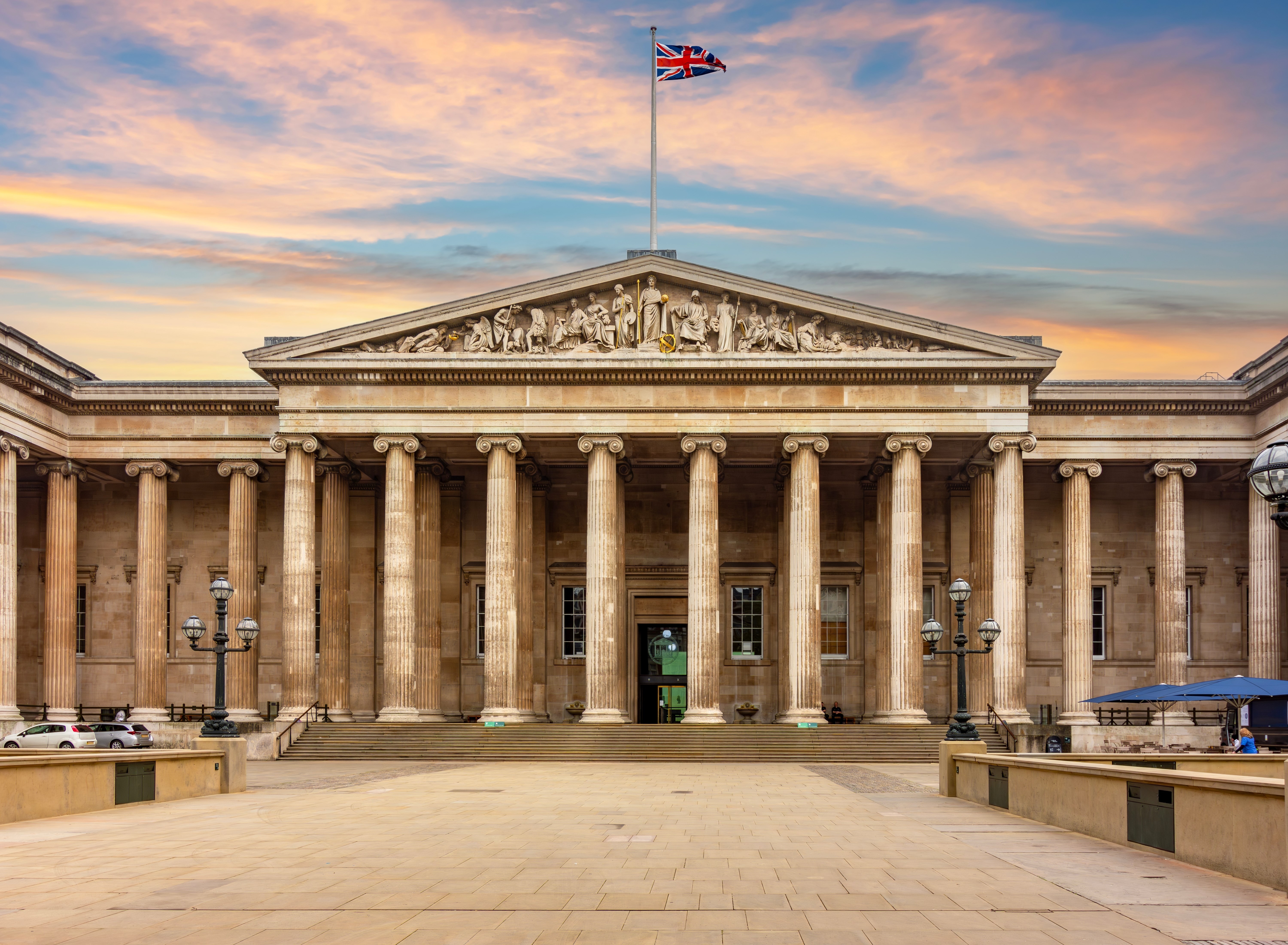 Foto: Mistervlad/shutterstock
One of the largest and most interesting museums in the world, the British Museum is home to some of the most treasured historical artefacts ever found. The extensive exhibition includes the Rosetta Stone, Assyrian treasures, Egyptian mummies and the museum's spectacularly illuminated Great Court, where you can find the museum's new restaurant. This restaurant is an ideal spot for taking afternoon tea under the court's spectacular roof. Free tours of the museum and guides are also available. The tours are led by knowledgeable experts in their field of study — don't miss this amazing learning opportunity.
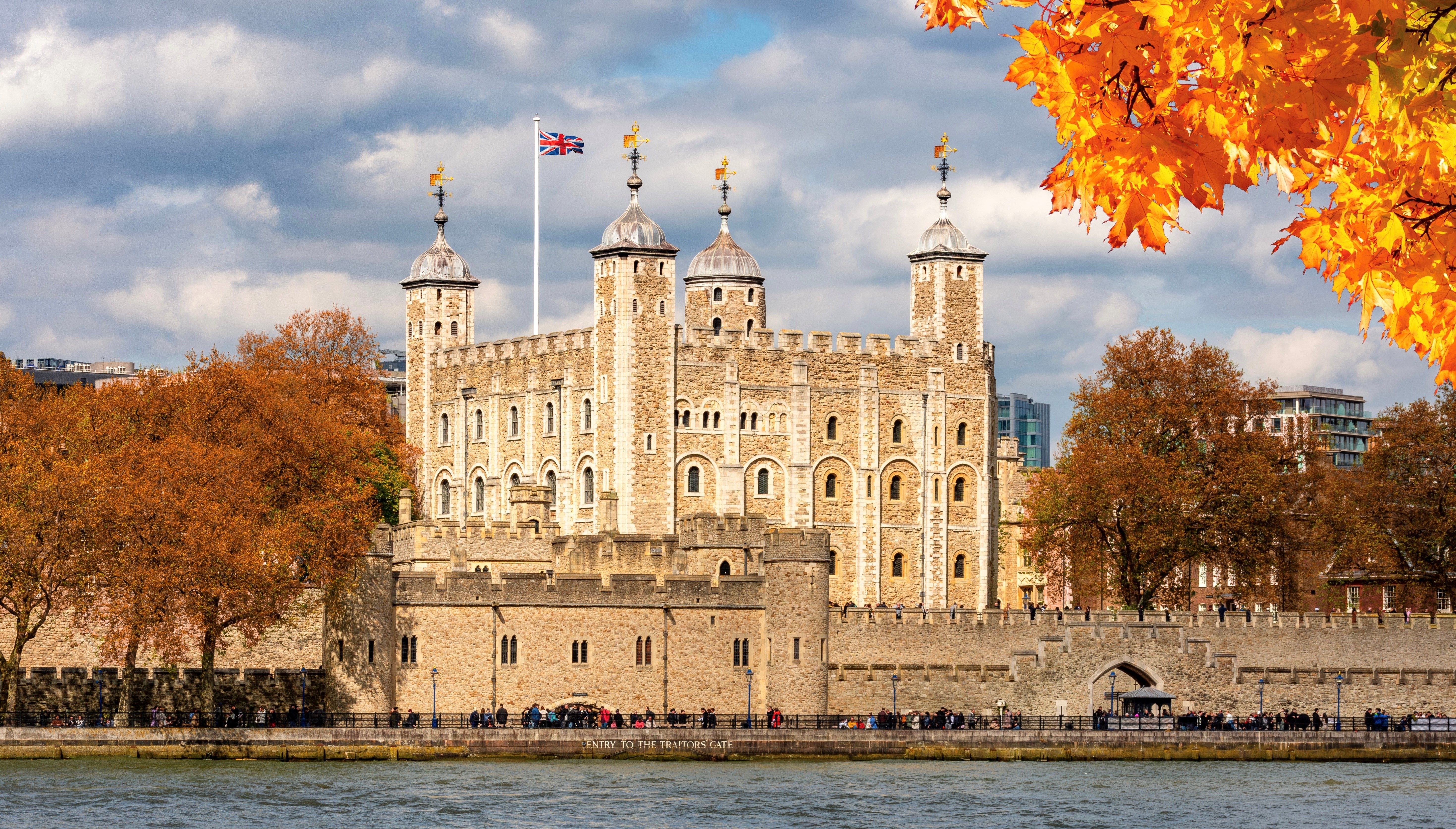 Foto: Mistervlad/shutterstock
The Tower of London is one of the most famous fortified buildings in the world. It's also a mysterious place full of dark secrets, strange stories and historic relics. Here you can admire the priceless Crown Jewels, explore the Medieval Palace, visit the infamous Bloody Tower, and go on a tour with a Yeoman Warder to learn about the many executions that took place here.
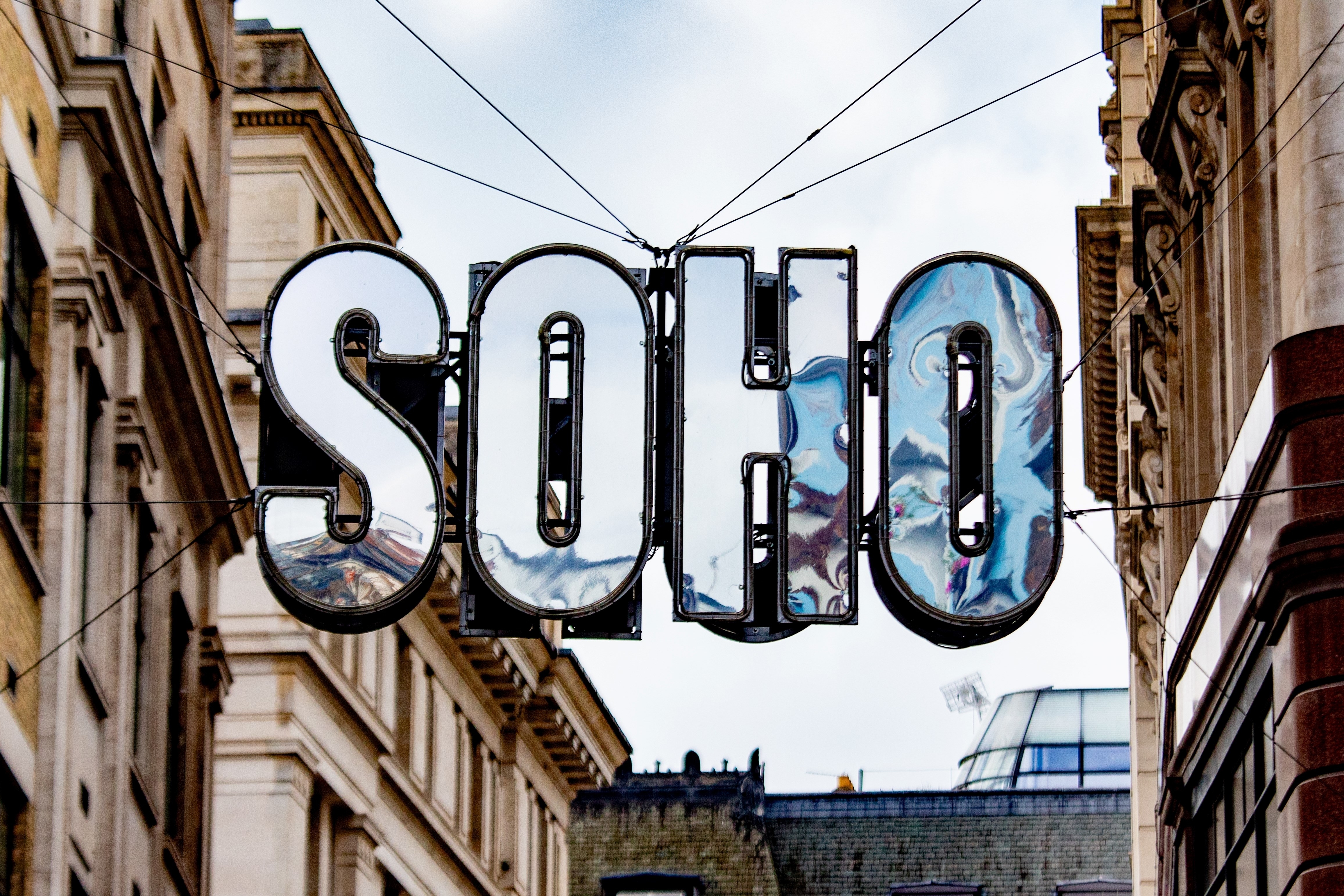 Foto: Shuttered by LM/shutterstock
Soho is an absolute must-see, since it's so multifaceted. Dean, Frith, Beak, and Old Compton streets are lively around the clock, and long-running Ronnie Scott's Jazz Club can be found here. Shaftesbury Avenue attracts theatre-goers, while Carnaby, Oxford and Regent streets and the iconic Liberty's department store are there for your shopping needs. Music shops, small cafes and quaint bakeries are on every corner! The energetic streets of Soho are the most popular nightlife destination. The neighbourhood still retains a somewhat risqué vibe with bars, cafes and restaurants that cater to hip crowds of international creatives. Soho is also known as the centre of the LGBTQA+ community, so don't miss out on all the gay and lesbian party spots in the area.
Foto: DaLiu/shutterstock
During the summer months, Buckingham Palace — the official residence of King Charles III — opens the doors of its elegant State Rooms to the public. As well as serving as a very fancy backdrop for many official royal engagements, the rooms contain some of the finest treasures from the Royal Collection, including paintings, sculptures and fine French furniture.
Foto: Richie Chan/shutterstock
Take a tour of the Palace of Westminster, also referred to as the Houses of Parliament, and experience 1,000 years of history. Visitors are welcomed into the building through Westminster Hall, before following in the footsteps of the Queen at the State Opening of Parliament. Marvel at the Victorian splendour of the Lords Chamber and see the famous green benches in the Commons Chamber. Audioguides and tours are available in English, French, German, Italian, Spanish, Russian and Mandarin.
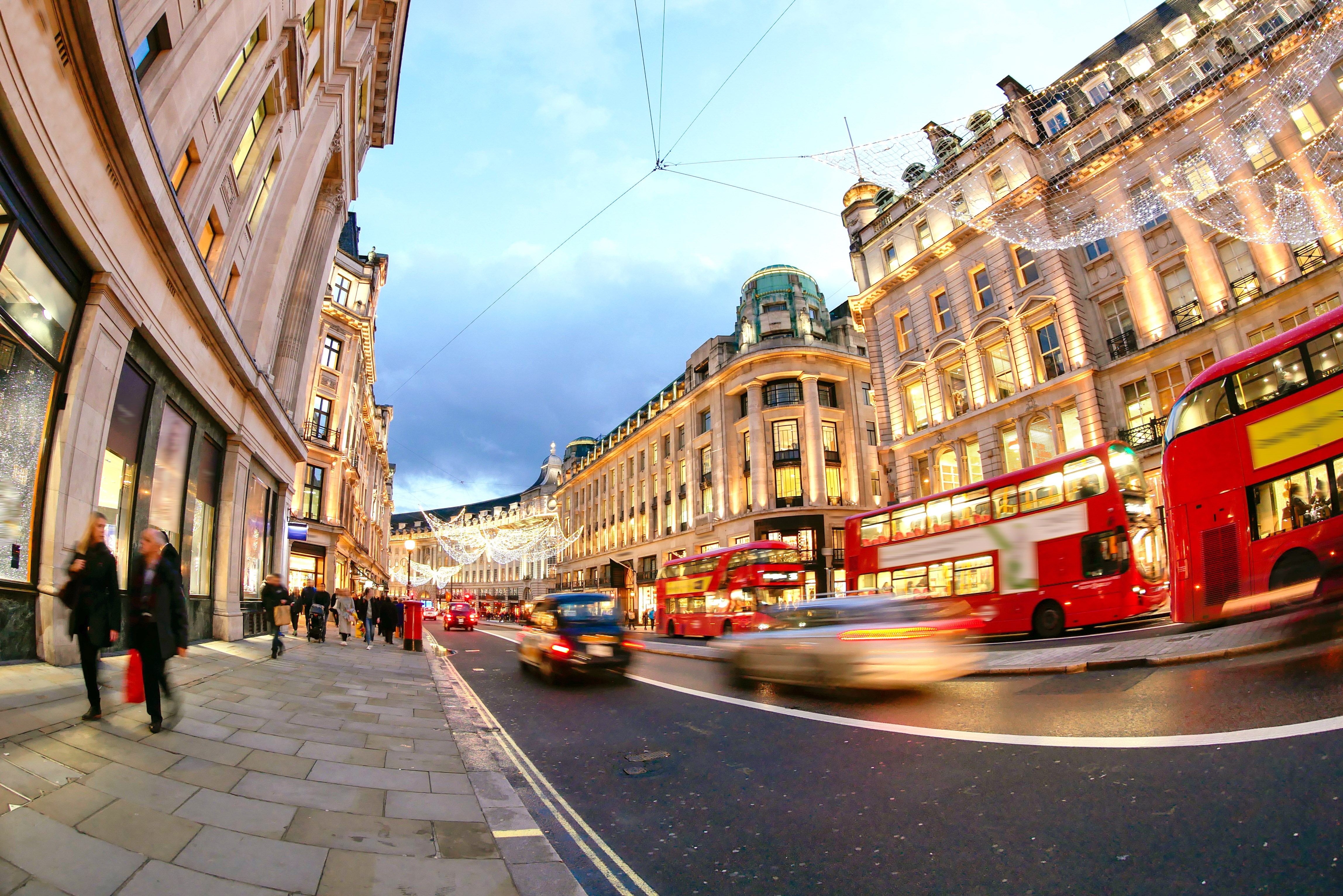 Foto: alice-photo/Shutterstock
Oxford Street is the ultimate London shopping destination, packed with high-street fashion, international brands, technology, homewear, and much, much more. No wonder its streets are always crowded with bag-laden shoppers. Favourite destinations include a huge branch of Topshop, plus iconic department stores such as Selfridges, John Lewis, House of Fraser, and Marks & Spencer.
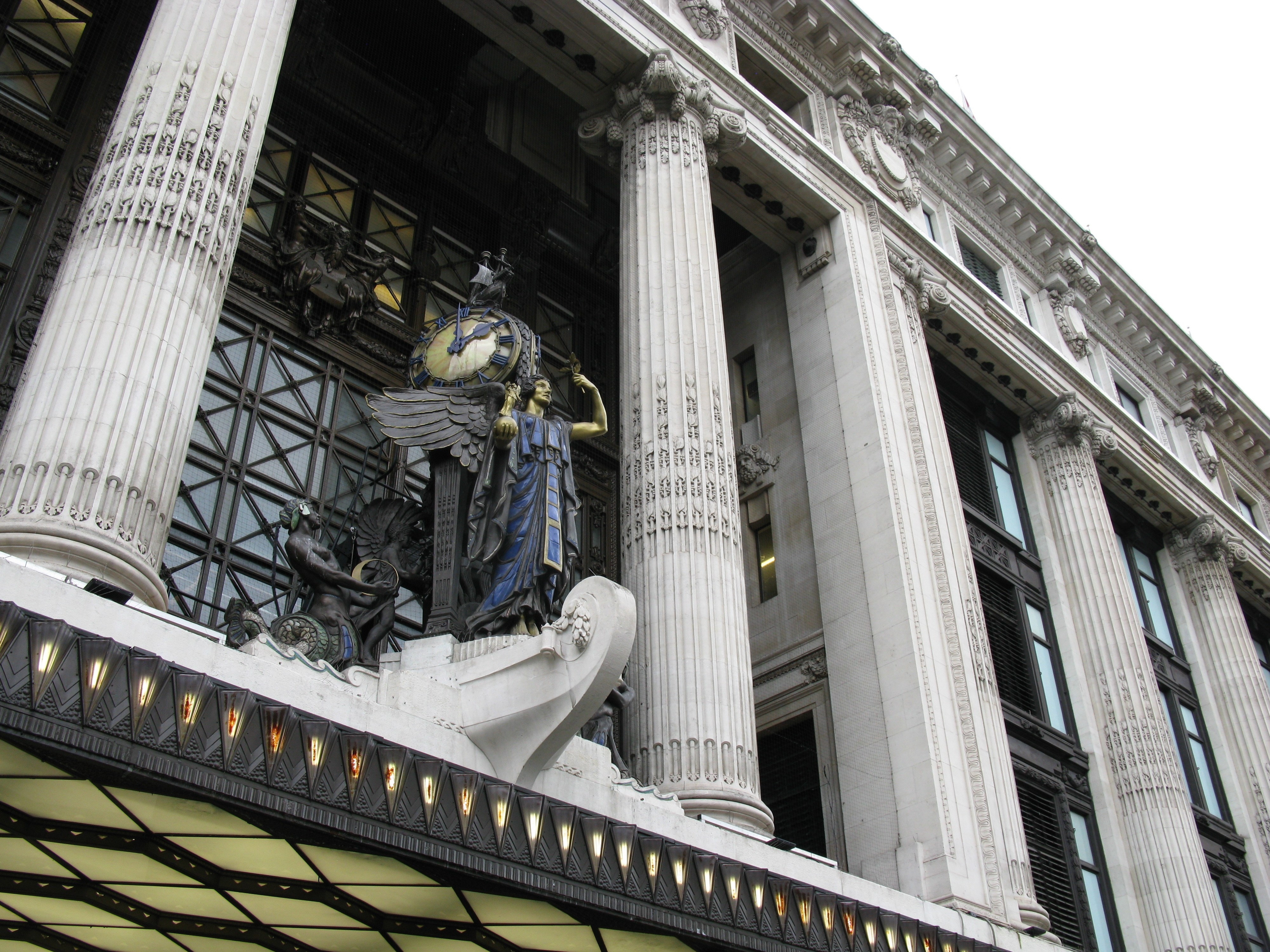 Foto: inavanhateren/Shutterstock
Selfridges' flagship London store is one of the world's finest department stores. It is six floors of fabulous fashion, pop-up concessions, electrical gadgets, stylish homeware and tasty food. But it's far more than just a shopping destination. It's also a social hub with events, bars, restaurants, cafés, art exhibitions and the odd rooftop party.
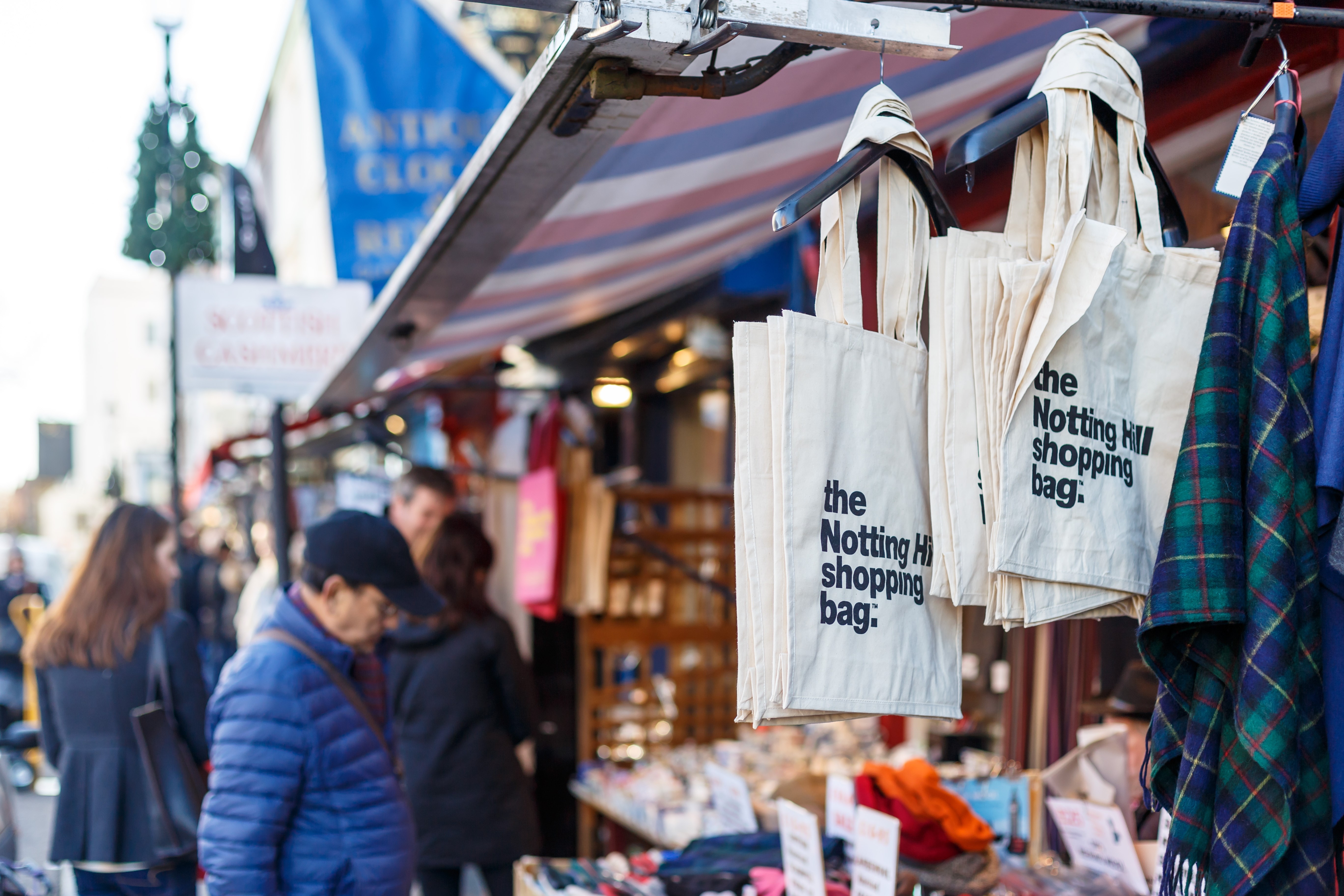 Foto: Alexey Fedorenko/Shutterstock
Head to Notting Hill on a Saturday, when the Portobello Road Market (sometimes called "the world's most famous market") is in full swing. The market is best known for its antiques and collectables, but there’s plenty more on offer, from second-hand clothing to fresh produce and street food. While the market itself closes on Sundays, many of the surrounding shops and cafés remain open throughout the week.
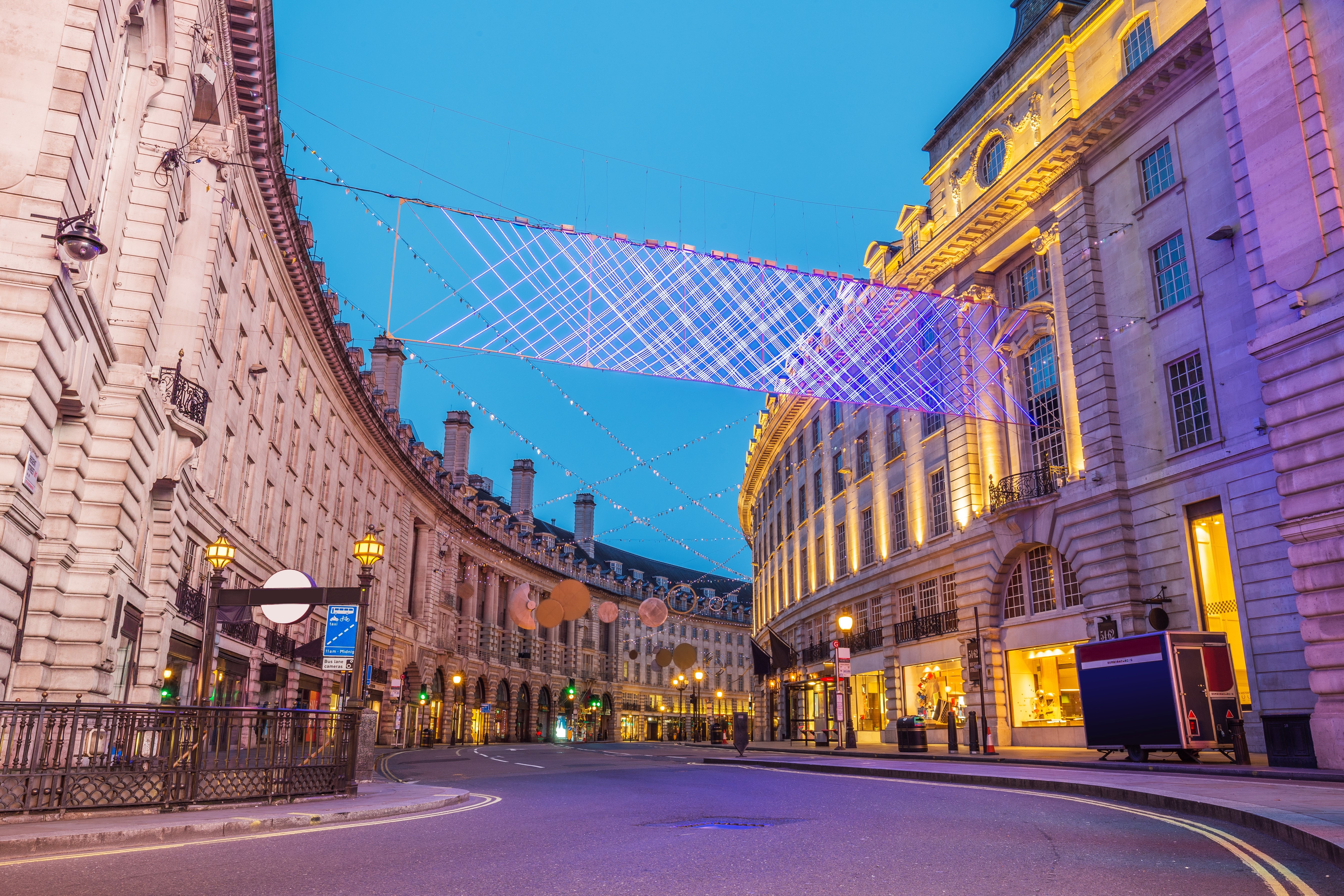 Foto: ZGPhotography/Shutterstock
With its beautiful curved facades, listed architecture, and elegant hotels, Regent Street is a cultural destination as well as a shopping hotspot. Top brands such as Liberty, Apple, and Hamleys congregate here, alongside what is the largest Burberry store in the world.
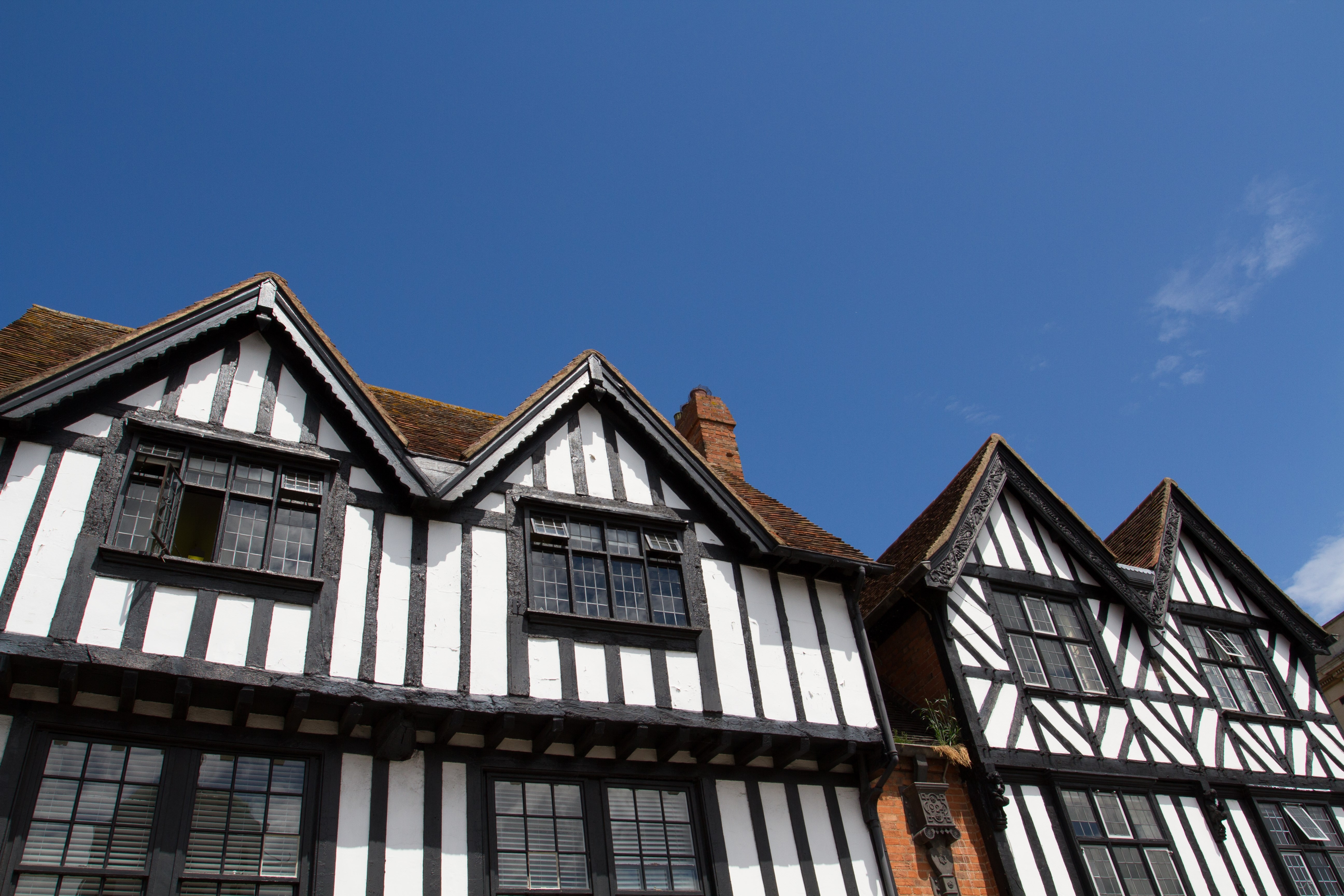 Foto: Clare Louise Jackson/shutterstock
Instantly recognisable by its iconic mock-Tudor frontage, Liberty is a lavish design emporium located just off Regent Street. It first opened its doors in 1875, and was later crowned by Oscar Wilde, 'the chosen resort of the artistic shopper'. Today, it's best known for its elaborate fabric patterns, high-end fashion, jewellery, beauty, furniture, toys, oriental rugs, and much more.
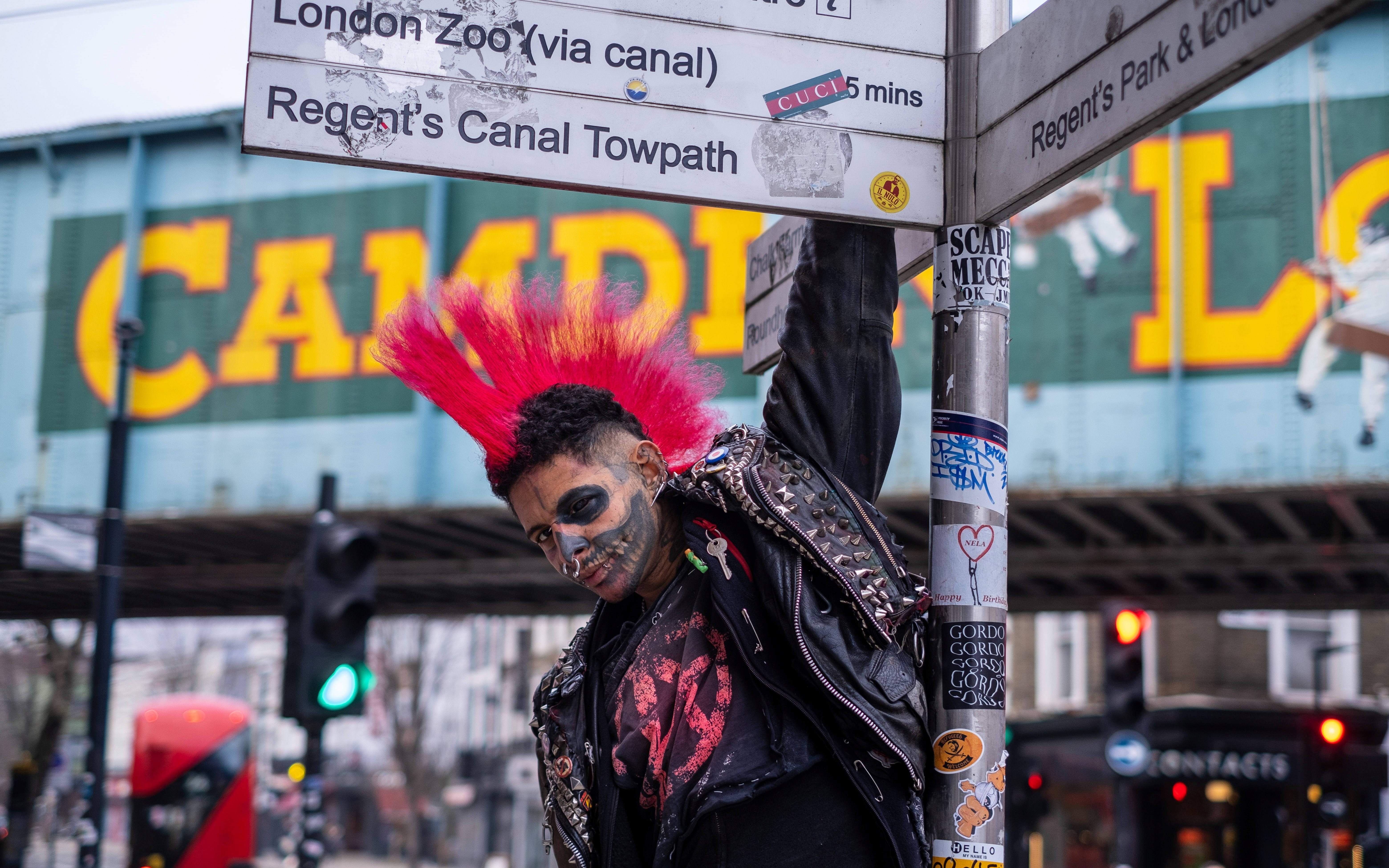 Foto: Steve Barker/unsplash
Located next to the picturesque canal, the Camden Lock Market is a must if you're into quirky, alternative and unique gifts, fashion and crafts. Comprising a mix of shops and stalls, the buzzing market has been attracting crowds of visitors since 1972. While you're in the area, make sure you visit the nearby Stables Market and Camden Market (formerly Buck Street Market).
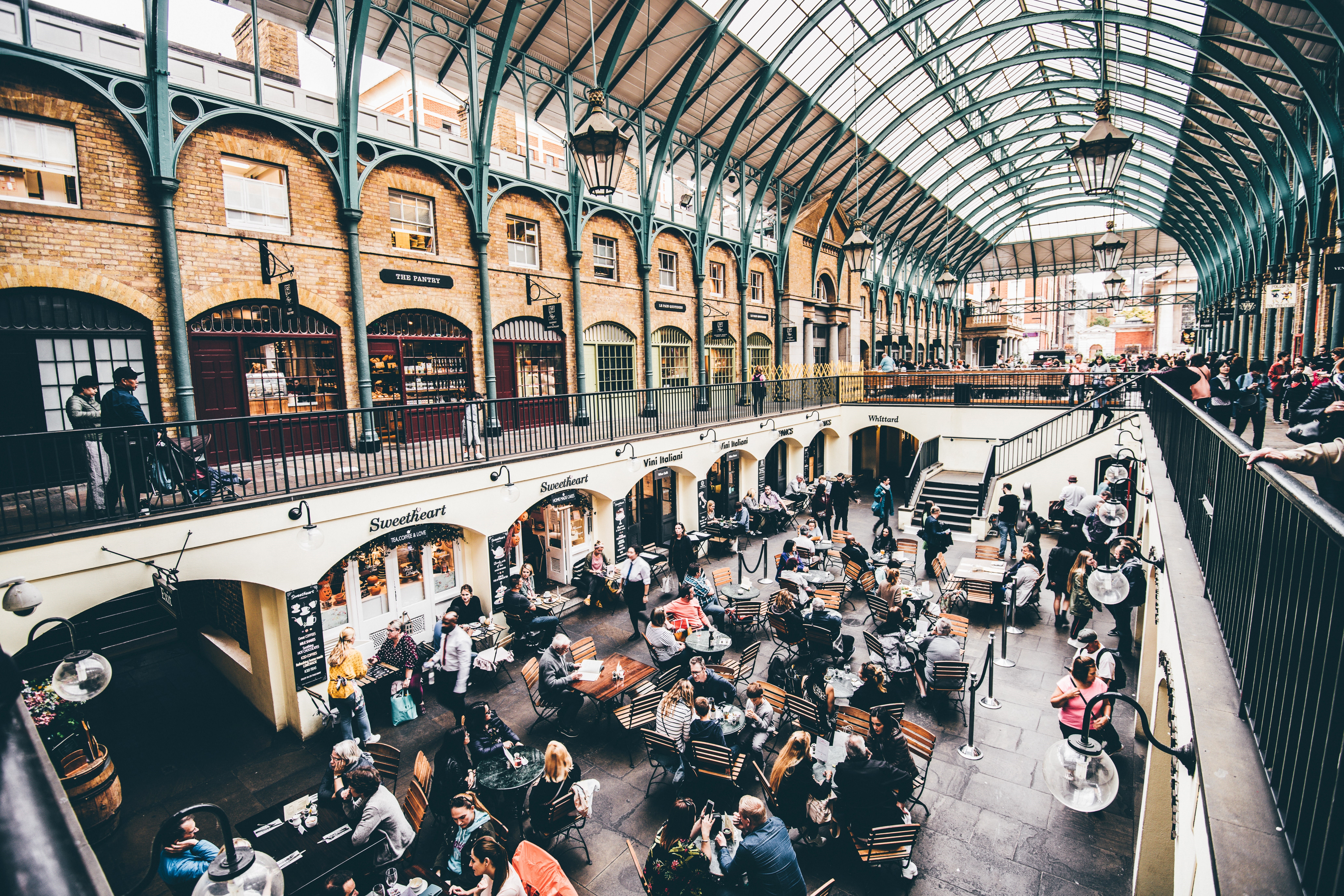 Foto: David Sury/unsplash.com
Covent Garden is famous for its street entertainment and covered markets: Apple Market, Jubilee Market, and East Colonnade Market. Everything from British-made arts and crafts to jewellery and antiques can be found here. The area has many permanent shops, too. From the ever-popular Disney Store to travel book shop Stanfords. Close by are two other unique London shopping destinations, Neal Street and Covent Garden's 'village', Seven Dials, a small agglomeration of streets packed with fashion boutiques, vintage shops, jewellers, and design furniture stores.
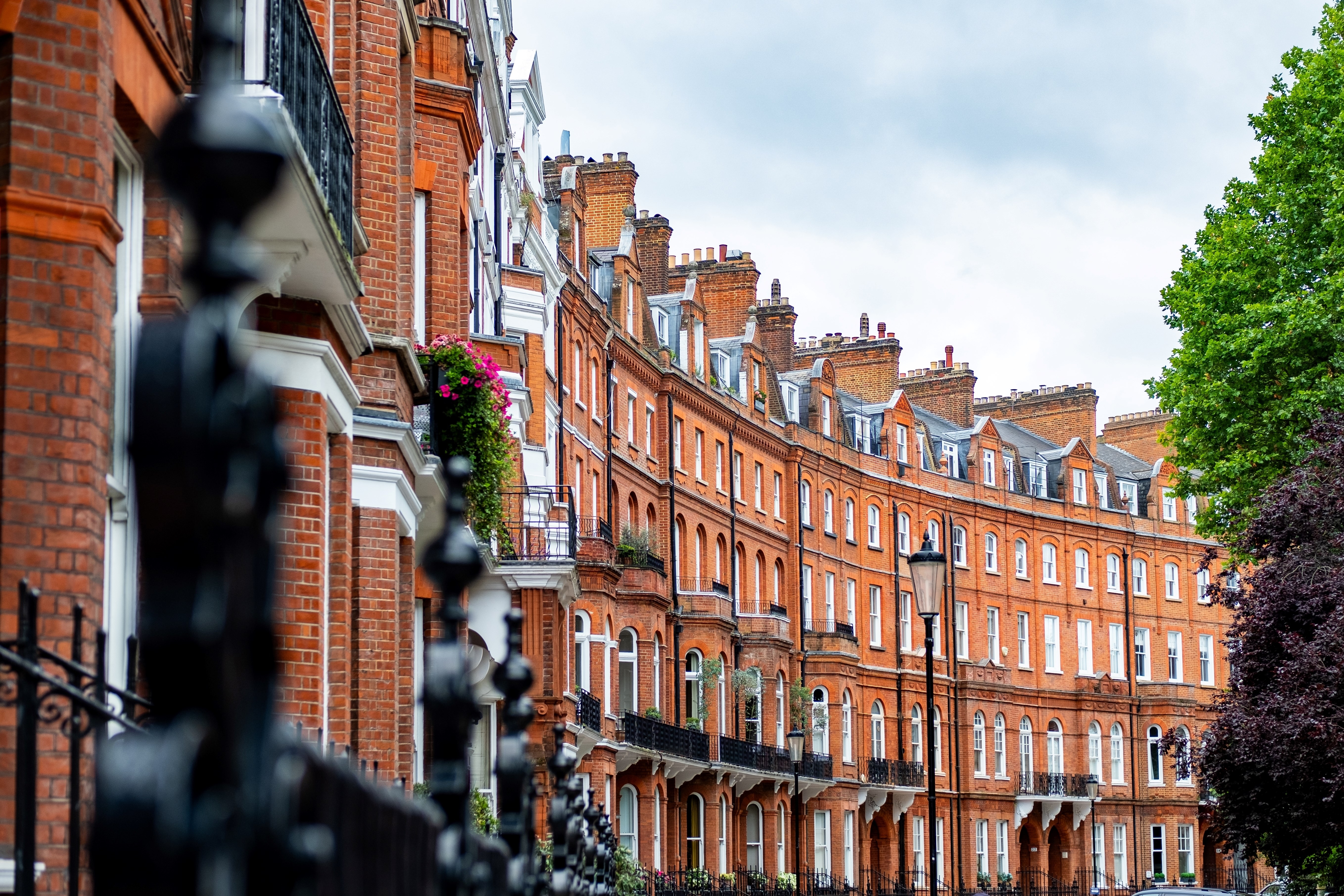 Foto: William Barton/Shutterstock
Knightsbridge and the surrounding areas of Chelsea and South Kensington are synonymous with high-end fashion and prestigious brands. Sloane Street is lined with top labels such as Prada, Gucci, Giorgio Armani, Dolce & Gabbana, and Fendi. Just to the north, Brompton Road is home to iconic department stores Harrods and Harvey Nichols, while King’s Road to the south, once the heart of punk and counterculture in the 1960s, now hosts a Vivienne Westwood boutique and the Peter Jones department store.
Foto: alice-photo/Shutterstock
Oxford Street is the ultimate London shopping destination, packed with high-street fashion, international brands, technology, homewear, and much, much more. No wonder its streets are always crowded with bag-laden shoppers. Favourite destinations include a huge branch of Topshop, plus iconic department stores such as Selfridges, John Lewis, House of Fraser, and Marks & Spencer.
Foto: inavanhateren/Shutterstock
Selfridges' flagship London store is one of the world's finest department stores. It is six floors of fabulous fashion, pop-up concessions, electrical gadgets, stylish homeware and tasty food. But it's far more than just a shopping destination. It's also a social hub with events, bars, restaurants, cafés, art exhibitions and the odd rooftop party.
Starting from January 8, 2025, the United Kingdom has introduced an Electronic Travel Authorization (ETA) requirement for visa-exempt travellers. Initially, this applies to citizens from countries such as the United States, Canada, Australia, Japan, and others. From April 2, 2025, this requirement will extend to European Union (EU) and European Economic Area (EEA) citizens, including those from Iceland, Liechtenstein, Norway, and Switzerland. The ETA permits short-term visits of up to six months for tourism. Travellers must apply for the ETA online or via a mobile app before their trip. The process involves providing personal details, passport information, and answering a series of questions. The ETA costs £10 and is valid for two years, or until the passport expires, whichever comes first. Most applications are processed within three working days, but it's advisable to apply well in advance of travel. However, those travellers planning to work or study in the UK for more than six months will need to obtain the appropriate visa. It's essential to consult the UK Government's official website to understand the specific requirements and to ensure a smooth journey. Please note that the ETA does not guarantee entry into the UK; border officials retain the authority to grant or deny admission upon arrival.
London is graced with a mild climate and, as such, can be visited at any time of the year. However, a few things need to be considered. Most of the royal palaces and residences, like the State Rooms at Buckingham Palace, are only open to the public during the summer months. Many of the city's most important festivals, like the British Summer Time Music Festival, also take place during this time. Late June to mid July is also when some of the best sales are on in shops around the capital. Spring is also a good season for a visit, since the weather is generally good and finding accommodation is both easier and cheaper (high season in London means a lot of tourists). And if you're not too bothered about the grey weather, then the low season (January and February) can be a good option too, when there are fewer tourists and prices are lower.
London Heathrow Airport is one of the world’s busiest airports, with five terminals. There are various ways to travel from Heathrow Airport to your destination. The quickest option is the Heathrow Express, a non-stop train to Paddington Station taking around 15–20 minutes, with services every 15 minutes. For a cheaper option, the Piccadilly line of the Tube links the airport to central London in roughly 45–55 minutes. Coaches and taxis are also available, though journey times can vary with traffic.
London Gatwick Airport, the UK’s second-largest airport, has two terminals: North and South. The fastest way into central London is the Gatwick Express, a non-stop train to Victoria Station taking around 30 minutes, with departures every 15 minutes. Other options include Thameslink and Southern train services, which stop at several central London stations, as well as coach services to Victoria and other locations. Taxis are available, but they can be quite pricey depending on traffic.
London Stansted Airport is the UK’s third-busiest airport, serving numerous low-cost airlines across Europe and the Mediterranean. The fastest route into central London is the Stansted Express, a direct train to Liverpool Street Station in less than one hour, with services departing every 15 minutes. Other options include National Express and Terravision coaches to Victoria, Stratford, and other locations. Taxis are available, but fares can be high due to distance and traffic.
London Luton Airport is located about 56km north-west of central London, and is a popular base for low-cost airlines. The easiest way into the city is via a shuttle bus to Luton Airport Parkway station (around 10 minutes), where trains run frequently to central London in roughly 25–35 minutes. Alternatively, express coach services such as easyBus, Green Line 757, and Terravision operate to Victoria Coach Station. Taxis are also available, though fares can be significantly higher depending on traffic.
Located just 9.5 km east of Central London, London City Airport primarily serves short-haul and business flights. The airport is on the Docklands Light Railway (DLR), which links directly to the Tube network at Canning Town, Stratford, and Bank, with fares following the same zonal system. Bus routes 473 and 474 connect the airport to other East London destinations, and taxis are available from the rank outside the terminal.
London’s bus network covers the entire city and is often the most convenient way to travel short distances or reach areas not served by the Tube. Buses run frequently throughout the day and are fully accessible. Cash is no longer accepted on London buses. Instead, you pay by tapping an Oyster card or a contactless debit or credit card when boarding. There’s no need to tap out. Fares are flat regardless of distance, and daily and weekly caps apply automatically. A popular option for visitors is the Hopper fare, which allows unlimited bus and tram transfers within one hour for a single fare. Night buses operate across much of the city, providing overnight connections after the Tube closes. Many routes pass through central hubs such as Trafalgar Square. Routes and timetables are best checked using Transport for London’s Journey Planner and the TfL Go app. Concessions are available for children, students, seniors, and disabled travellers.
Starting from January 8, 2025, the United Kingdom has introduced an Electronic Travel Authorization (ETA) requirement for visa-exempt travellers. Initially, this applies to citizens from countries such as the United States, Canada, Australia, Japan, and others. From April 2, 2025, this requirement will extend to European Union (EU) and European Economic Area (EEA) citizens, including those from Iceland, Liechtenstein, Norway, and Switzerland. The ETA permits short-term visits of up to six months for tourism. Travellers must apply for the ETA online or via a mobile app before their trip. The process involves providing personal details, passport information, and answering a series of questions. The ETA costs £10 and is valid for two years, or until the passport expires, whichever comes first. Most applications are processed within three working days, but it's advisable to apply well in advance of travel. However, those travellers planning to work or study in the UK for more than six months will need to obtain the appropriate visa. It's essential to consult the UK Government's official website to understand the specific requirements and to ensure a smooth journey. Please note that the ETA does not guarantee entry into the UK; border officials retain the authority to grant or deny admission upon arrival.
London is graced with a mild climate and, as such, can be visited at any time of the year. However, a few things need to be considered. Most of the royal palaces and residences, like the State Rooms at Buckingham Palace, are only open to the public during the summer months. Many of the city's most important festivals, like the British Summer Time Music Festival, also take place during this time. Late June to mid July is also when some of the best sales are on in shops around the capital. Spring is also a good season for a visit, since the weather is generally good and finding accommodation is both easier and cheaper (high season in London means a lot of tourists). And if you're not too bothered about the grey weather, then the low season (January and February) can be a good option too, when there are fewer tourists and prices are lower.