Valencia
temperatur
25°
tid
05:08
Valencia
Valencia is one of the most vibrant cities in Europe. With a privileged location by the Mediterranean Sea, it offers a perfect combination of beaches and culture, past and present. The birthplace of paella, it boasts a thriving food scene featuring Michelin-starred restaurants as well as quirky tapas bars. Its neighbourhoods come to life during traditional festivals such as Las Fallas, and every night is lively in trendy districts like Ruzafa or El Carmen.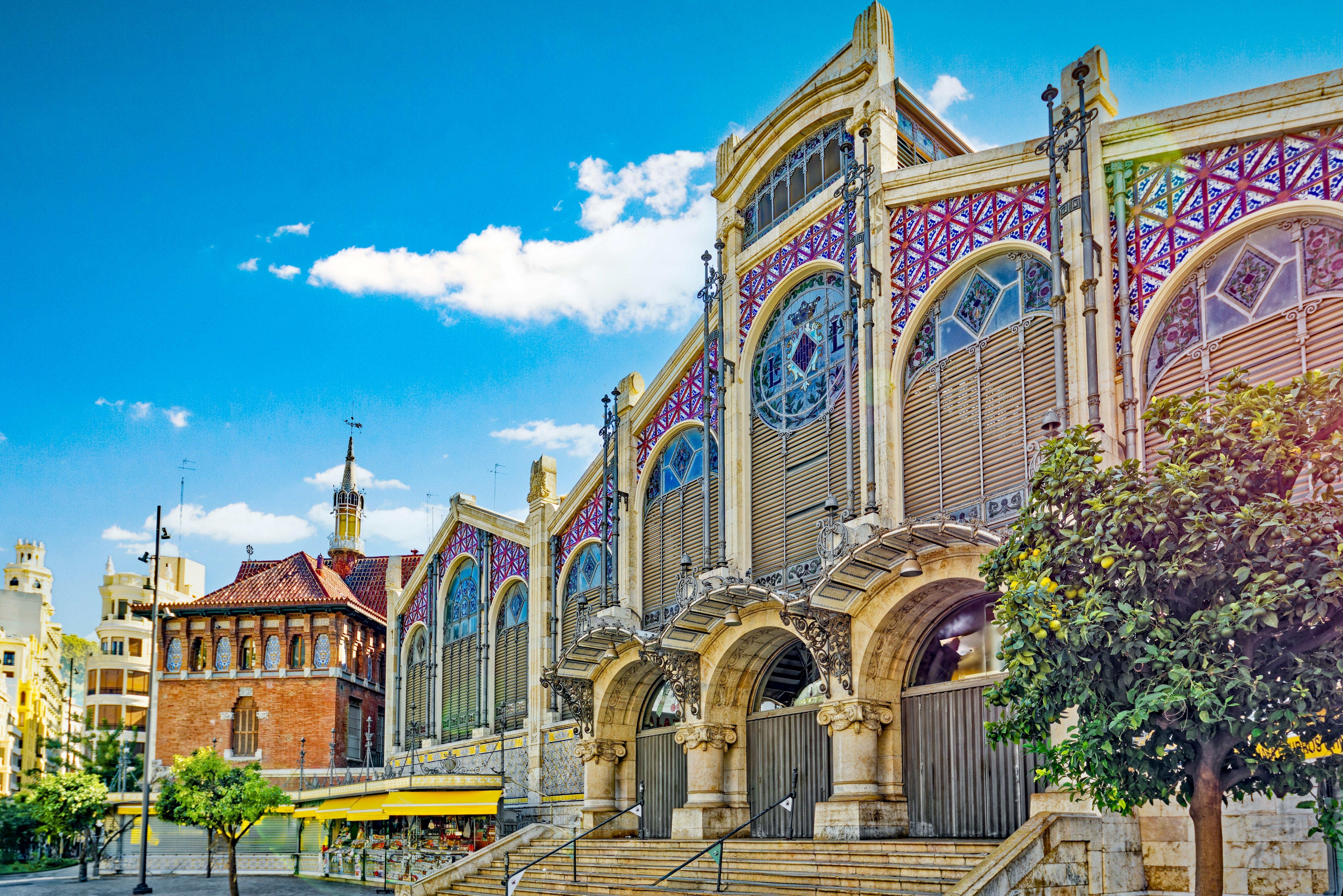 Foto: V_E/Shutterstock.com
Opposite La Lonja, you will find the oldest food market in Europe, housed in a fascinating building in a true Valencian style. The market is just as lively now as it was a hundred years ago as if time had stood still. This is a great place to buy some local delicacies and experience Valencia's daily life.
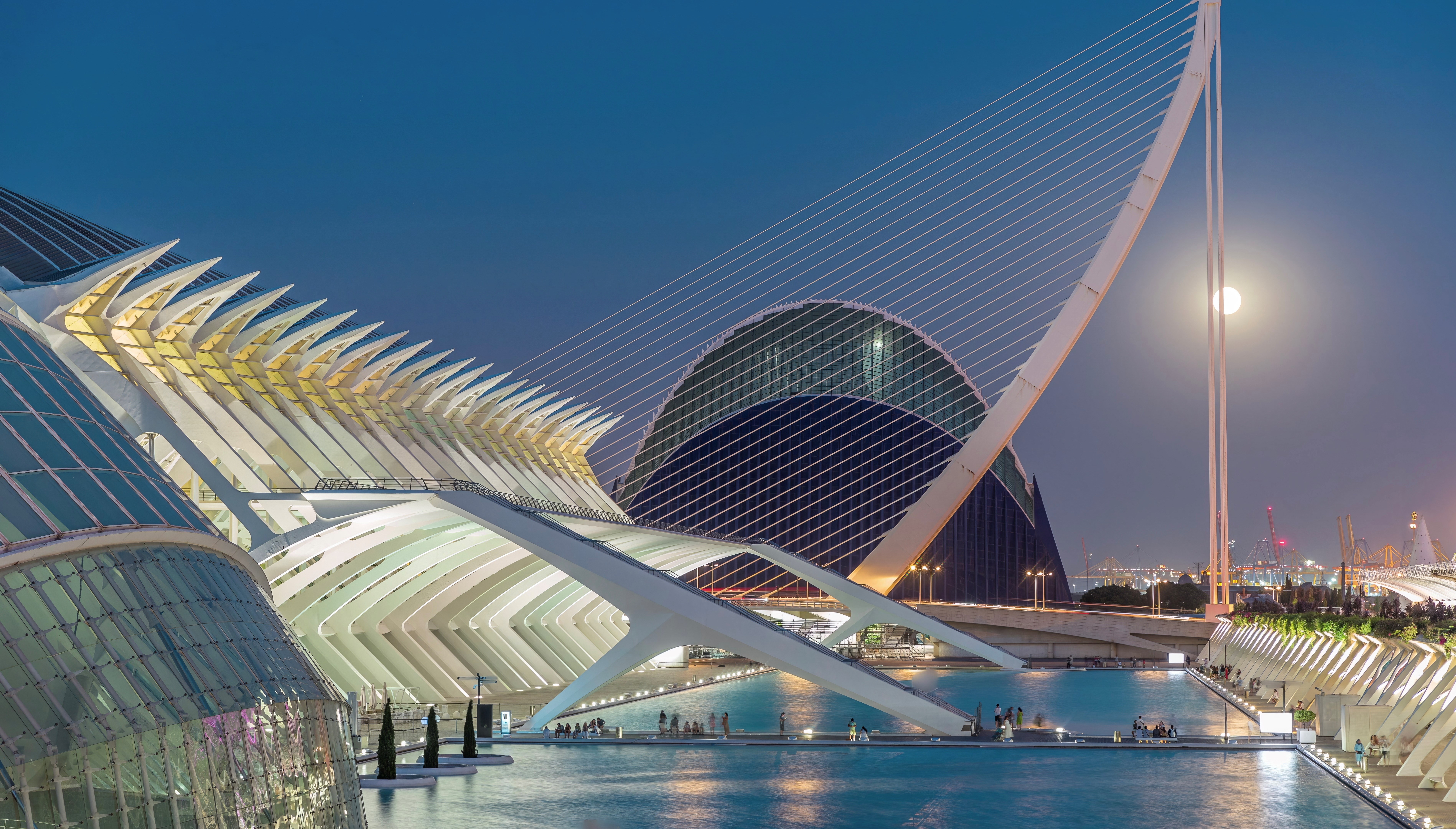 Foto: Kirill Neiezhmakov/shutterstock
The Ciudad de las Artes y las Ciencias, or City of Arts and Sciences, is a cultural and architectural complex designed by Santiago Calatrava that has become the number one attraction in Valencia. Walking around and taking photos of the stunning buildings is a pleasure in itself, and that does not cost anything. However, it is well worth the entrance fee to explore the various exhibits inside.
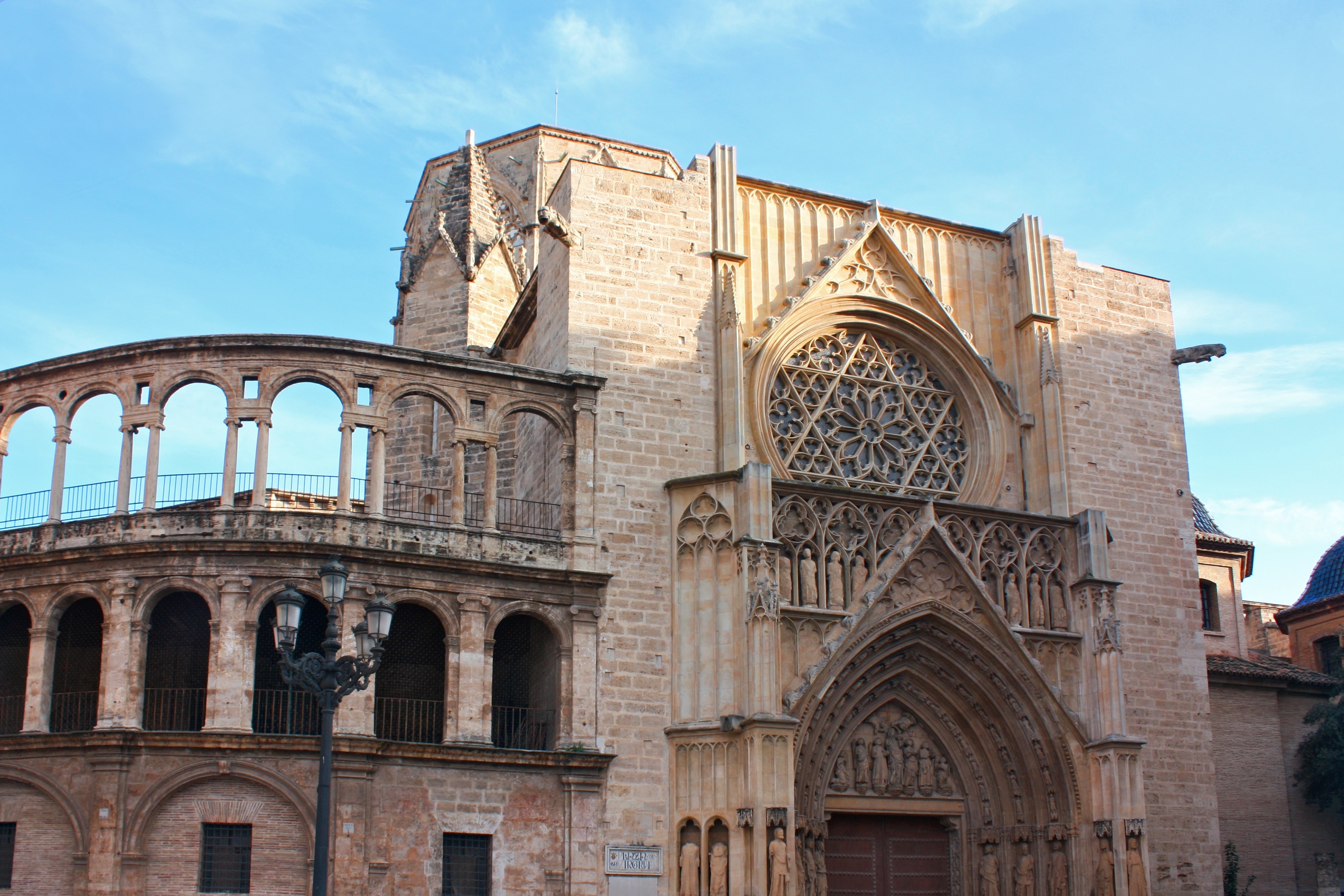 Foto: lindasky76/Shutterstock.com
Valencia’s Cathedral is a beautiful example of Gothic architecture and the home of the Holy Grail–the only one certified by the Vatican. Its tower, the Miguelete, is a true icon of Valencia. Climb up to the top for great views of the city.
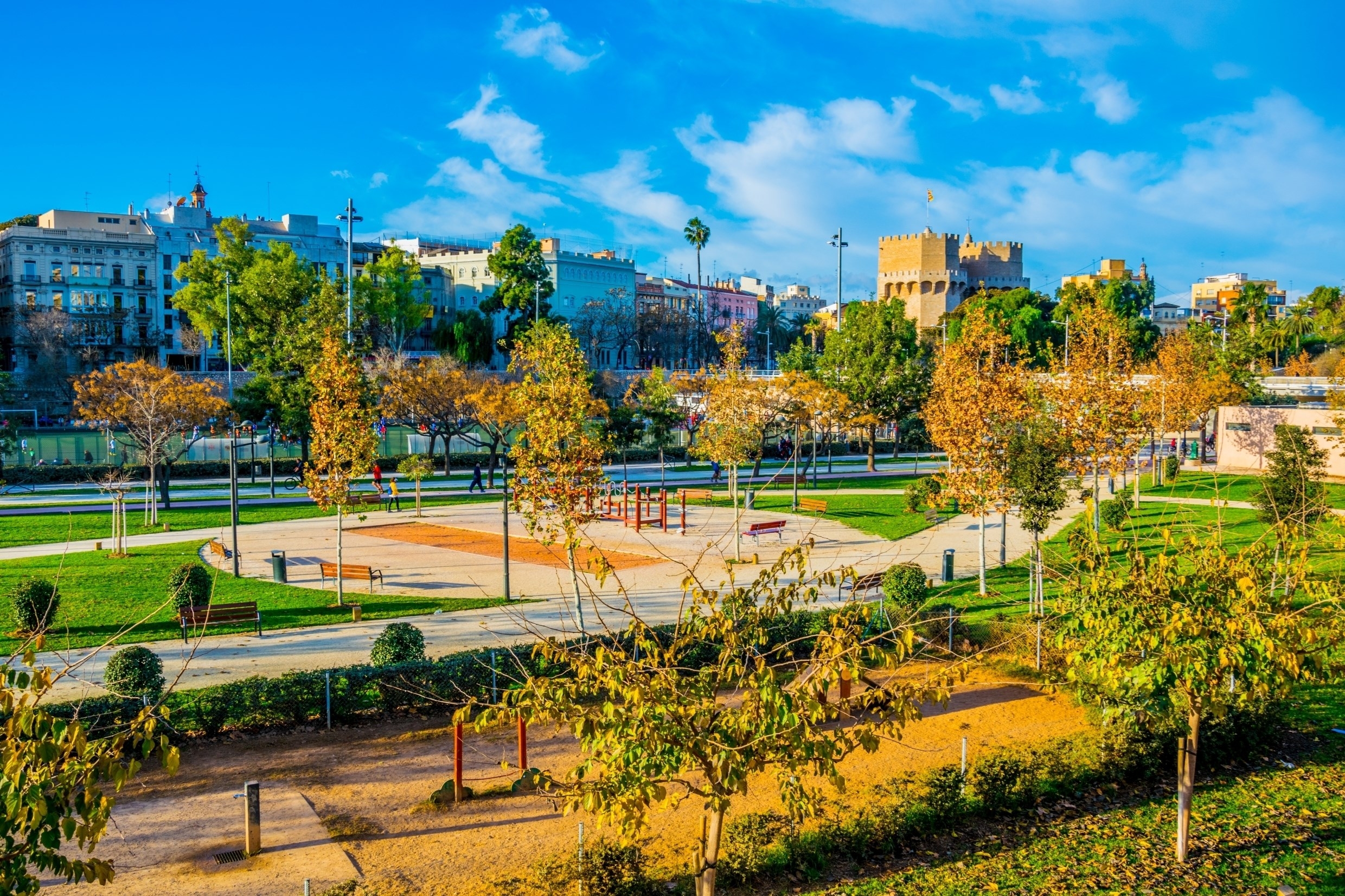 Foto: trabantos/Shutterstock.com
Since the Turia river was diverted south of the city after serious flooding in the 1950s, its former riverbed has become one of the best places in Valencia to go for a stroll, offering 9 km of gardens, children’s playgrounds and sports facilities.
 Foto: acongar / Shutterstock.com
The museum is housed in the former headquarters of the Colegio del Arte Mayor de la Seda (Silkmakers Guild), a beautiful 15th-century Gothic building restored to its former glory. It takes visitors through Valencia’s Golden Age when it was the epicentre of the silk trade.
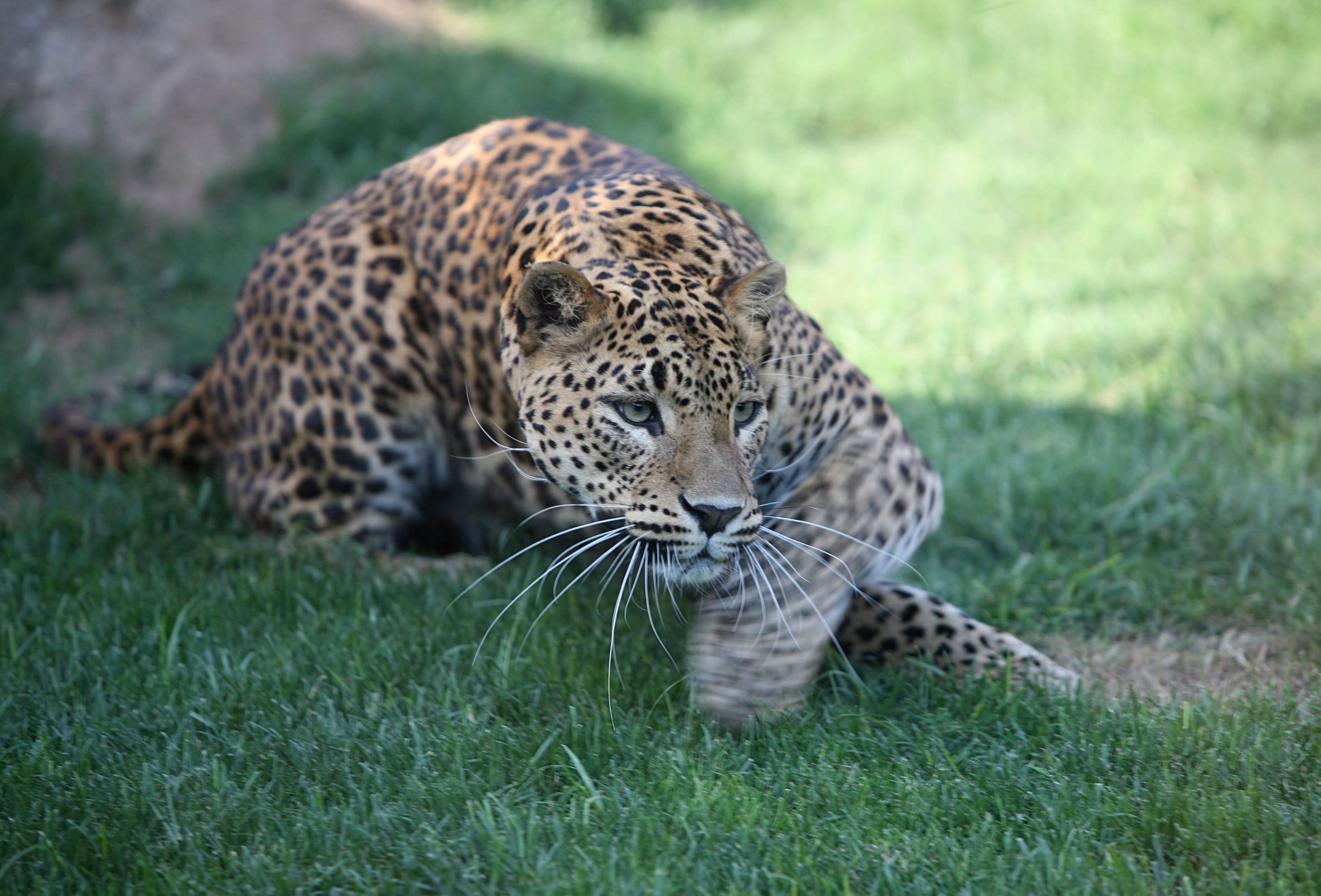 Foto: haak78 / Shutterstock.com
With no visible barriers, visitors to this 10-hectare zoo park can immerse themselves in the amazing wild habitats where lions, elephants, hippos, gorillas, and many more species live. The emphasis is on the preservation of endangered species and protecting the environment.
 Foto: Camille Minouflet/Unsplash
Valencia is a vibrant city with the added bonus of being right on the beach. Playa de la Malvarossa is a 1km long promenade with clean white sands, just a few minutes walk from the city centre attractions. In the evening, head to one of the promenade's bustling bars and restaurants.
 Foto: SeventyFour/Shutterstock.com
Spain's oldest centre of modern art, this institute features over 10,000 pieces of art and photography from the 20th century. Temporary exhibitions are housed in the basement–once part of the city's medieval fortifications.
Foto: V_E/Shutterstock.com
Opposite La Lonja, you will find the oldest food market in Europe, housed in a fascinating building in a true Valencian style. The market is just as lively now as it was a hundred years ago as if time had stood still. This is a great place to buy some local delicacies and experience Valencia's daily life.
Foto: Kirill Neiezhmakov/shutterstock
The Ciudad de las Artes y las Ciencias, or City of Arts and Sciences, is a cultural and architectural complex designed by Santiago Calatrava that has become the number one attraction in Valencia. Walking around and taking photos of the stunning buildings is a pleasure in itself, and that does not cost anything. However, it is well worth the entrance fee to explore the various exhibits inside.
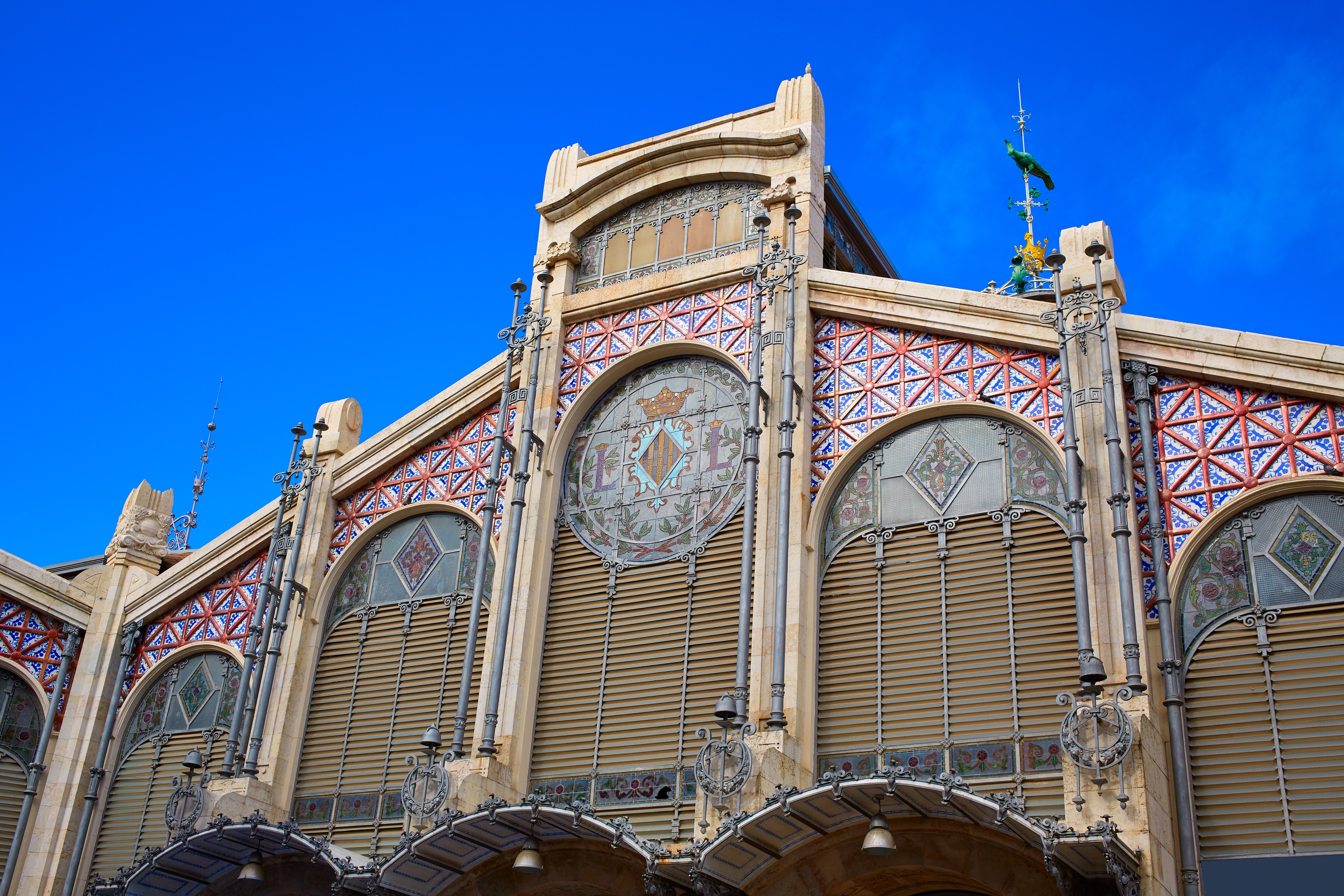 Foto: Tono Balaguer / Shutterstock.com
Located in one of Valencia's most iconic modernist buildings, the Central Market is the largest fresh produce market in Europe. It features over 1,200 stalls selling a variety of items, including fruits and vegetables, meats, cheeses, spices, nuts, fish, and seafood. The market is bursting with colour, aroma and flavour, and is a must-visit destination for anyone in the city. Don't forget to stop at the Central Bar for some tapas while you're there!
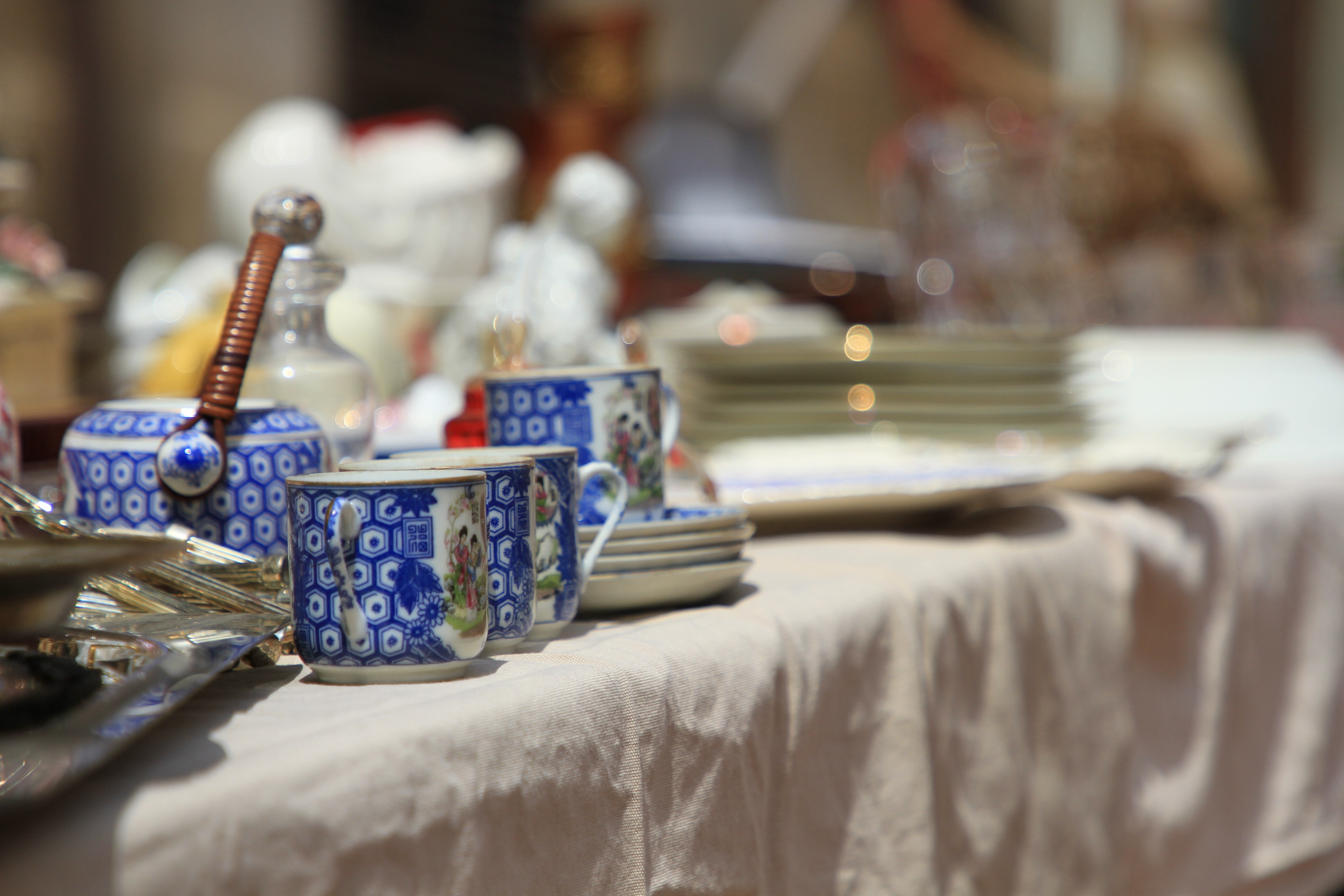 Foto: IgnacyS / Shutterstock.com
El Rastro de Valencia is a weekly flea market that takes place on Sunday mornings and attracts over 500 vendors each week. It is one of the largest flea markets in Spain and offers a wide variety of items, including old books, ornaments, toys, household items, jewellery, vinyl records, vintage clothing, ceramics, and more. The market is a great way to spend a few hours exploring and finding unique treasures but is open for a short time, so it's best to arrive early to avoid the largest crowds.
 Foto: Creative Lab / Shutterstock.com
Adolfo Domínguez is a Spanish fashion brand with a history dating back to the 1950s. Today, it has stores all over Spain and around the world. With an emphasis on sustainability, the brand offers stylish and elegant clothing, bags, and shoes for both men and women.
 Foto: puhhha / Shutterstock.com
Spain's department store colossus is both loved and hated, but successfully performs the main task of a department store, which is to offer most things to most people. Designer fashions, their own low and medium-priced lines, enormous perfumery and make-up departments, accessories, toys, children's and baby's clothes, art materials, souvenirs, food and delicatessen, household furniture and decorations, electrical goods, books, and a range of services can be found here.
Foto: Tono Balaguer / Shutterstock.com
Located in one of Valencia's most iconic modernist buildings, the Central Market is the largest fresh produce market in Europe. It features over 1,200 stalls selling a variety of items, including fruits and vegetables, meats, cheeses, spices, nuts, fish, and seafood. The market is bursting with colour, aroma and flavour, and is a must-visit destination for anyone in the city. Don't forget to stop at the Central Bar for some tapas while you're there!
Foto: IgnacyS / Shutterstock.com
El Rastro de Valencia is a weekly flea market that takes place on Sunday mornings and attracts over 500 vendors each week. It is one of the largest flea markets in Spain and offers a wide variety of items, including old books, ornaments, toys, household items, jewellery, vinyl records, vintage clothing, ceramics, and more. The market is a great way to spend a few hours exploring and finding unique treasures but is open for a short time, so it's best to arrive early to avoid the largest crowds.
Valencia Airport is located approximately eight kilometres west of Valencia. Bus line 150 runs to the city centre and the port, and the journey takes about 45 minutes. You can also take one of the two underground lines that connect the airport with the city; the journey takes about 25 minutes. The taxi service in València is provided by the urban taxis of the joint service area. Please note that there is a supplement for trips from the airport, and make sure that the taxi driver starts the taxi meter at the beginning of the journey. It is advisable to request a receipt in case you need to make a complaint. The metropolitan bus line 150, also known as the Metrobus, connects the airport with the city centre of València, with intermediate stops at Mislata, Quart de Poblet and Manises. Metrovalencia line 3 links the airport with the city centre, the university area and the northern part of the metropolitan area. The station is located on the ground floor of the regional flights terminal, and there is an information office in the arrivals area of the airport.
Citizens of European Union (EU) and European Economic Area (EEA) countries do not need a visa to enter Spain, only a valid ID. Many other countries, including the United Kingdom, United States, Canada, United Arab Emirates, Australia, and New Zealand, benefit from visa-free entry for short stays of up to 90 days within a 180-day period. Visitors from visa-exempt countries must hold a valid passport and, starting in late 2025, will need to apply for an ETIAS (European Travel Information and Authorisation System) authorisation online before travelling. For those requiring a visa, such as travellers from some Middle-East, African or Asian nations, a Schengen visa must be obtained prior to arrival. All travellers should ensure their passport is valid for at least three months beyond their intended stay.
April-June and September-October are the best months for a trip to Valencia when it comes to cultural events, as well as for the weather, which should be warm and mostly sunny. June and the first couple weeks of September are also good for beach holidays: the weather is still warm, but the place is less crowded and the prices are lower. The high season at the seaside is in July-August, but the weather can get very hot then. Whichever dates you choose, don't worry about missing out on nightlife: Valencia is a lively university city, so something is always going on. Last but not least, take a look at the "Event" section of this guide if you haven't: many interesting festivals take place in Valencia during the year, and you might want to include one in your trip. Las Fallas in March is particularly popular, thus very crowded, but so very worth it.
The public transport system consists of a network of buses, underground trains, and trams. It is easy to get around Valencia and the metro is both the fastest and the easiest. Ticket prices vary for a single journey. You can buy combination tickets that include all means of transportation. The Valencia Tourist Card is a good option for tourists.
Taxis in Valencia are white and are available 24 hours a day. You can easily get hold of one in the city. You can either hail a taxi on the street or call for one. Here are a couple of taxi companies operating in Valencia: Teletaxi Valencia: +34 963 57 13 13 Radio Taxi Valencia: +34 963 70 33 33 Another option for lower fares is the rideshare company Uber.
Spanish post offices are known as Correos. Stamps can be purchased from post offices and kiosks.
Pharmacies in Valencia have alternating opening hours at night and at weekends.
Spain’s power grid operates at 230 volts with a frequency of 50 Hz, using Type F, Schuko plug, and Type C, Europlug, outlets. Both types accept plugs with two round prongs, common across continental Europe.
Valencia Airport is located approximately eight kilometres west of Valencia. Bus line 150 runs to the city centre and the port, and the journey takes about 45 minutes. You can also take one of the two underground lines that connect the airport with the city; the journey takes about 25 minutes. The taxi service in València is provided by the urban taxis of the joint service area. Please note that there is a supplement for trips from the airport, and make sure that the taxi driver starts the taxi meter at the beginning of the journey. It is advisable to request a receipt in case you need to make a complaint. The metropolitan bus line 150, also known as the Metrobus, connects the airport with the city centre of València, with intermediate stops at Mislata, Quart de Poblet and Manises. Metrovalencia line 3 links the airport with the city centre, the university area and the northern part of the metropolitan area. The station is located on the ground floor of the regional flights terminal, and there is an information office in the arrivals area of the airport.
Citizens of European Union (EU) and European Economic Area (EEA) countries do not need a visa to enter Spain, only a valid ID. Many other countries, including the United Kingdom, United States, Canada, United Arab Emirates, Australia, and New Zealand, benefit from visa-free entry for short stays of up to 90 days within a 180-day period. Visitors from visa-exempt countries must hold a valid passport and, starting in late 2025, will need to apply for an ETIAS (European Travel Information and Authorisation System) authorisation online before travelling. For those requiring a visa, such as travellers from some Middle-East, African or Asian nations, a Schengen visa must be obtained prior to arrival. All travellers should ensure their passport is valid for at least three months beyond their intended stay.