Rom
temperatur
27°
tid
23:59
Rom
Rome has attracted visitors for over 2,000 years, a city where ancient ruins, grand piazzas, and Baroque fountains sit alongside charming cafés and trattorias. From the Colosseum and Roman Forum to the Pantheon and hidden alleyways, the city brims with history, art, and everyday life. Sip a frothy cappuccino, savour fresh pasta or a creamy gelato, and linger over a glass of wine, Rome invites you to step into the Italian “Dolce Vita.”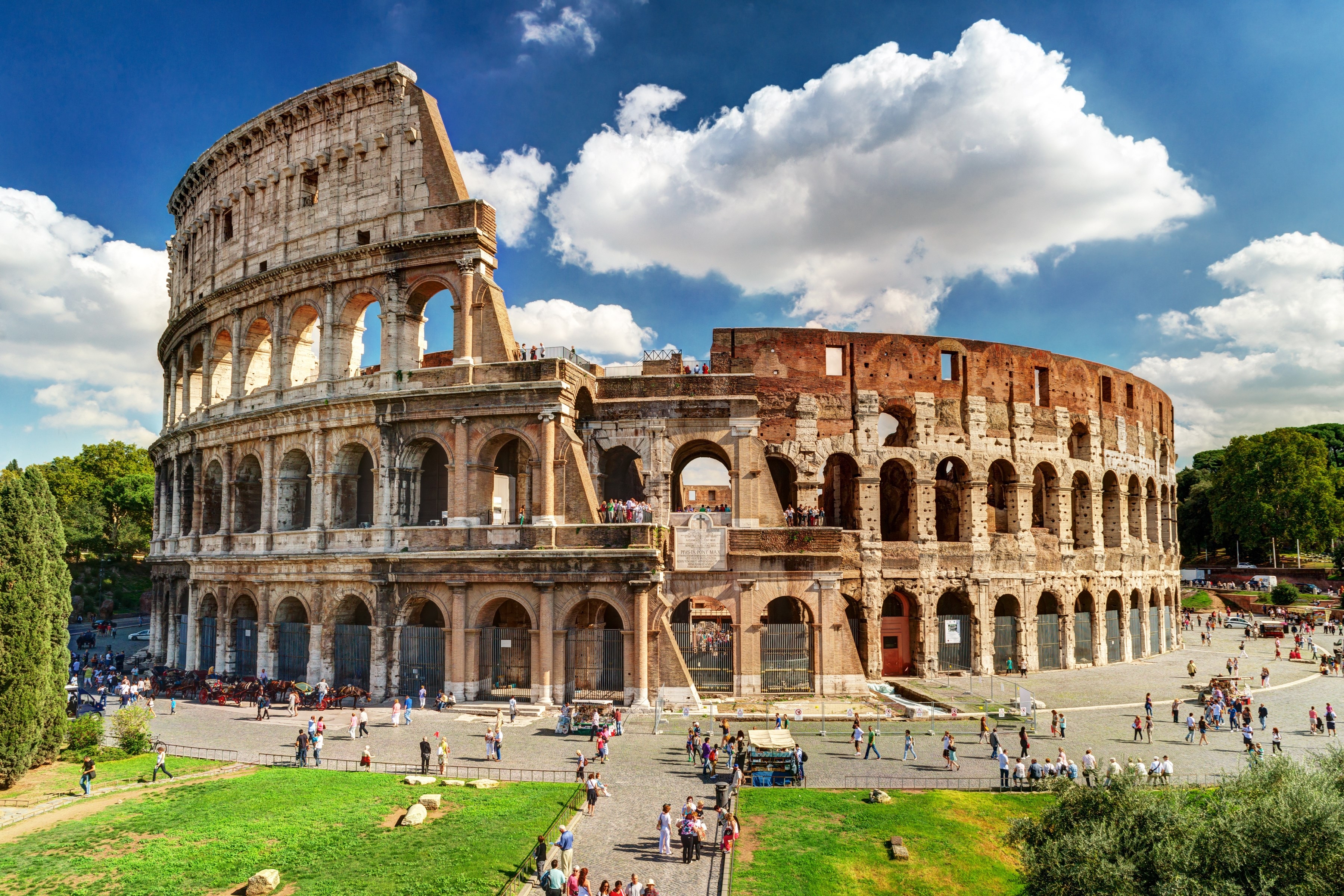 Foto: Viacheslav Lopatin/Shutterstock
Built under Emperor Vespasian in A.D. 70-72 and completed by his son Titus 10 years later, the Flavian Amphitheatre, or the Colosseum, is a massive stone arena, which at its peak, could accommodate 80,000 spectators. As in the movie 'Gladiator,' the Colosseum has hosted violent and brutal displays of gladiatorial combats and wild animal fights, all just for the delight of crowds. The inauguration lasted one hundred days, and approximately 9,000 animals and 2,000 gladiators were killed during the event. Today, the Colosseum is Rome's most visited sight, which never fails to leave visitors awe-struck. Be sure to also come here at night when it looks even more magical.
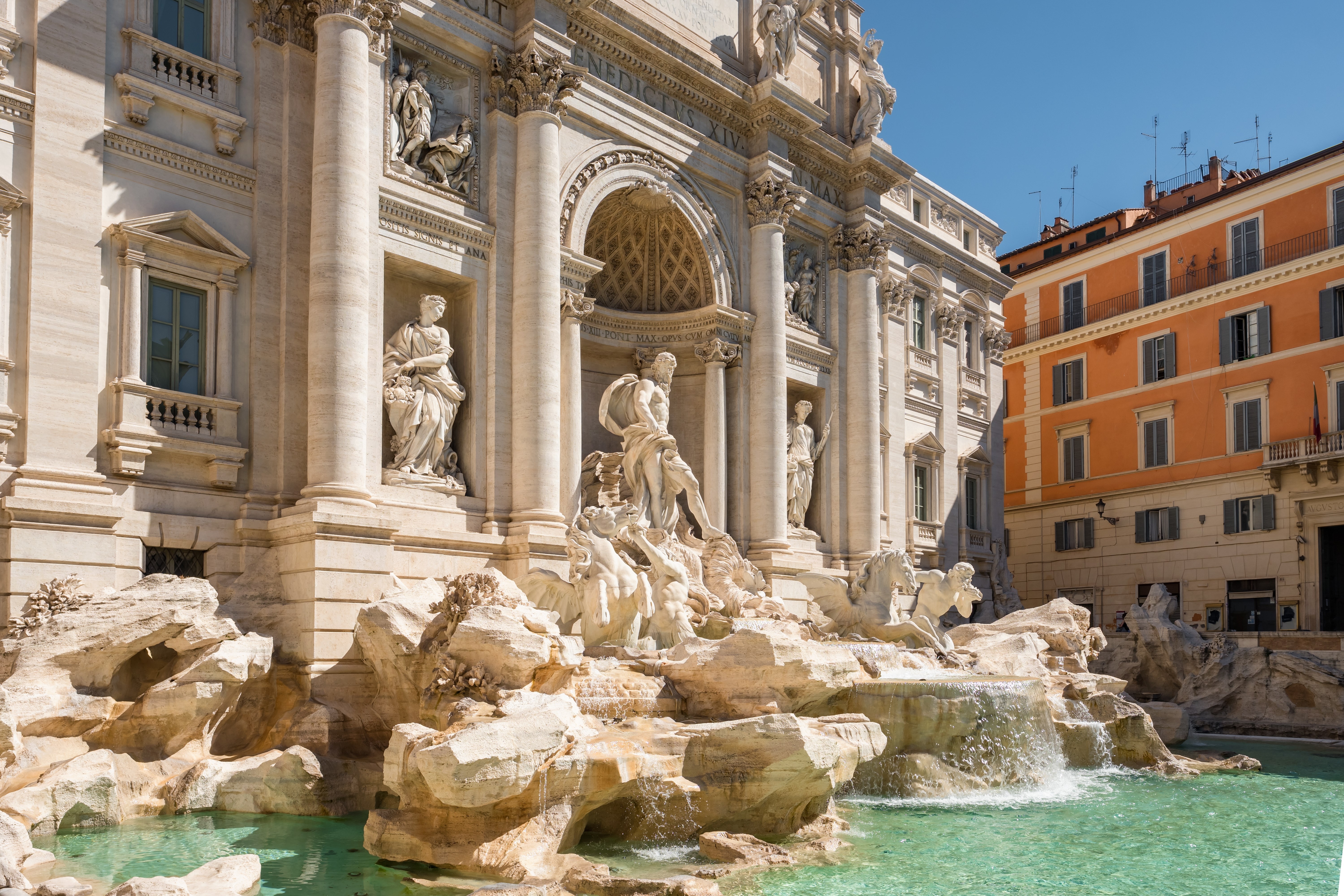 Foto: Mazur Travel/Shutterstock
Designed by Salvi and completed by Pannini in 1762, the striking Fontana di Trevi amazes onlookers with its 26.3-metre height and 49.15-metre width, making it the largest Baroque fountain in the city and the most famous one in the world. Famous on screen in films such as Roman Holiday and Fellini’s La Dolce Vita, it remains a magnet for visitors who toss coins over their shoulders for luck.
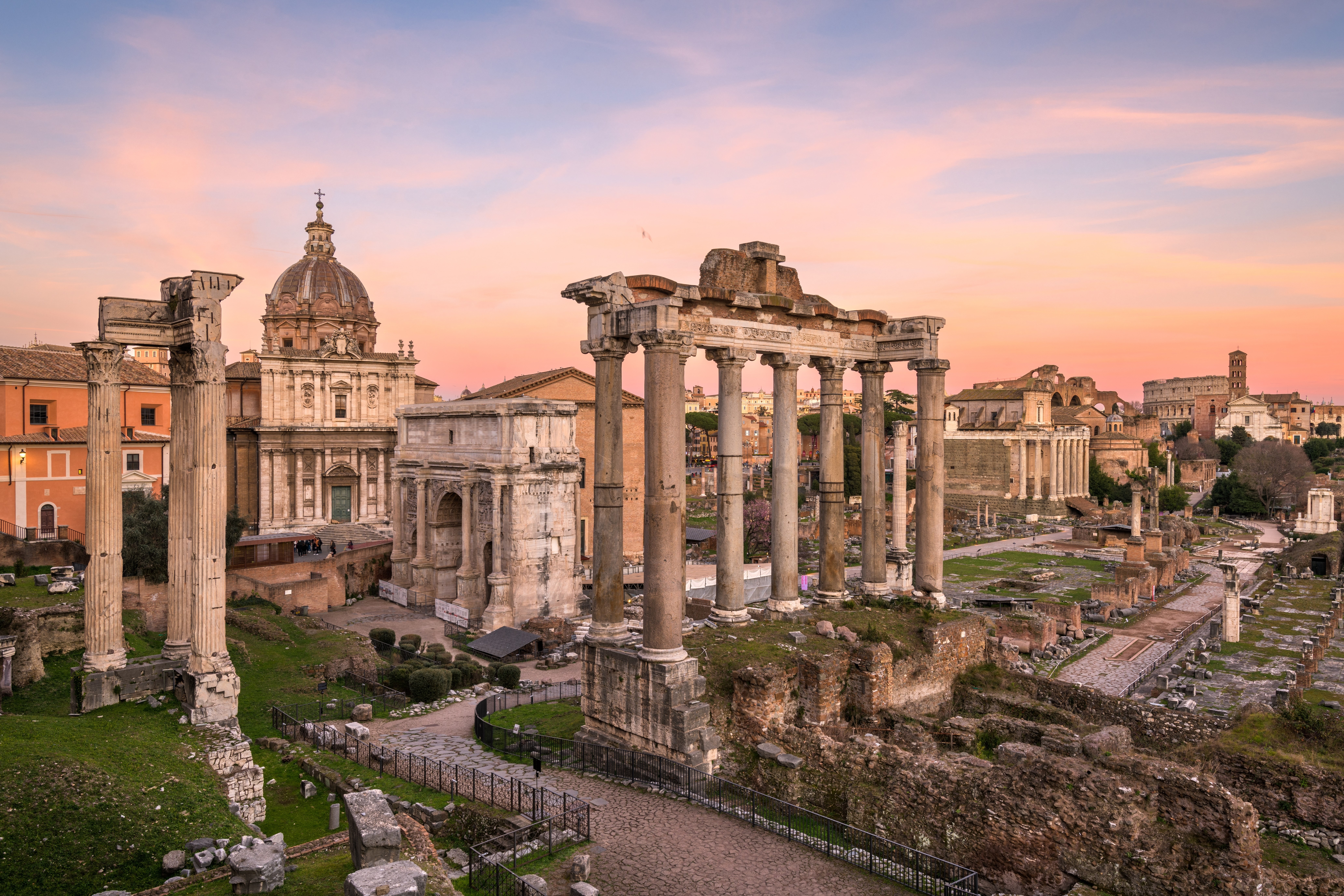 Foto: Sean Pavone/Shutterstock
Sandwiched between the Palatine and Capitoline hills, the Forum Romanum (Roman Forum) is an open-air forum that was once the commercial, political, social, and religious hub of ancient Rome. Throughout the Imperial period, Emperors like Julius Caesar and Augustus expanded the Forum to include temples, statues, monuments, a senate house, and law courts. Today, the Forum Romanum is one of the most visited archaeological sites in the world and offers fascinating insights into Roman civilisation.
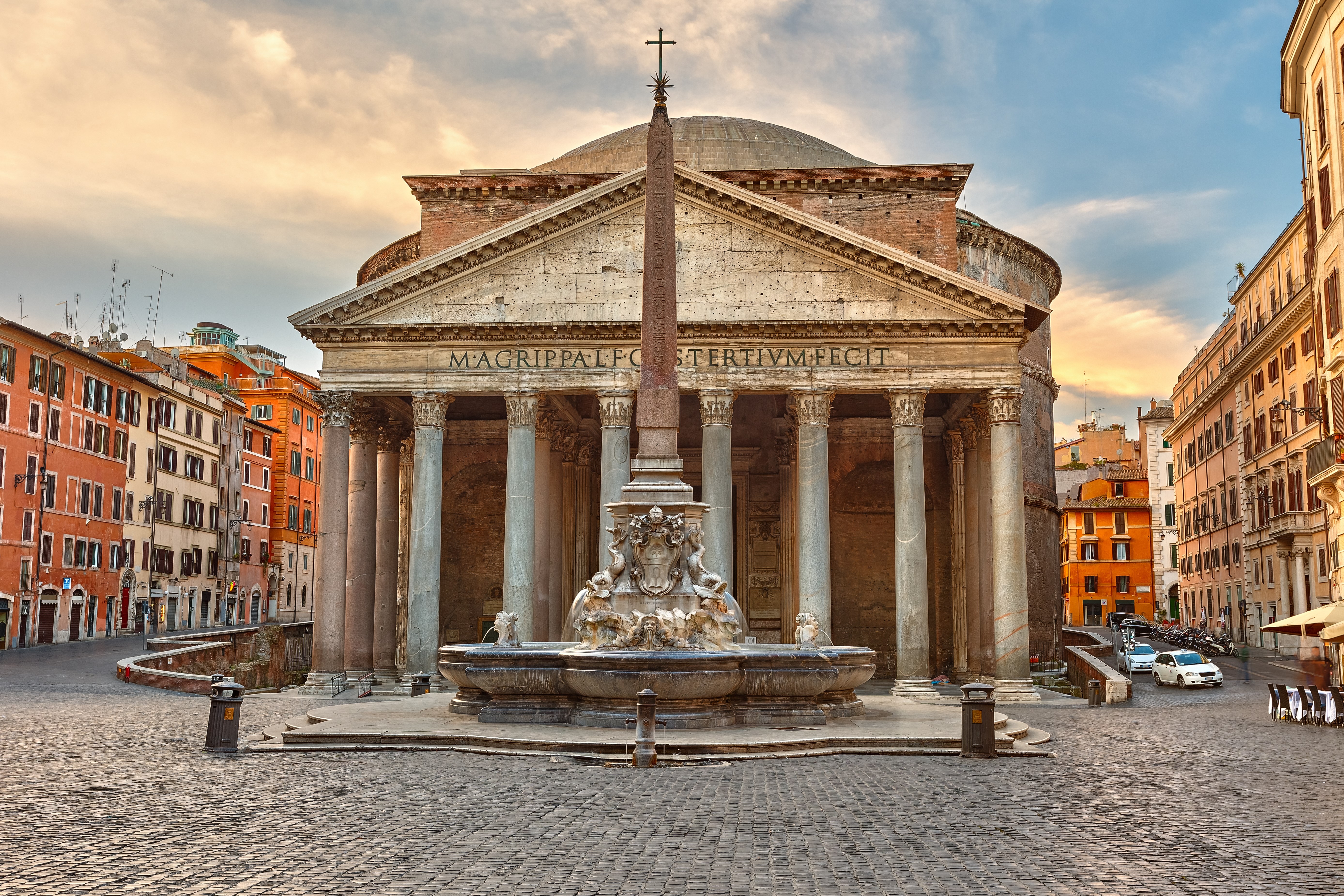 Foto: S.Borisov/Shutterstock
An astonishing 2,000-year-old temple, now a church, the Pantheon is a remarkable building to visit when in Rome. Built as a temple to all gods, the Pantheon is the best-preserved marvel from ancient Rome. Its main and most fascinating feature is the design of the dome and open oculus, the only source of natural light. Tourists from around the world flock here to see what Michelangelo defined as an "angelic and not human design". The Pantheon also houses the tomb of the great painter Raphael. The square in front of the Pantheon is called Piazza della Rotonda. It is located near Piazza Navona and Campo de Fiori, so take the opportunity to stroll around in this area; there is much to see.
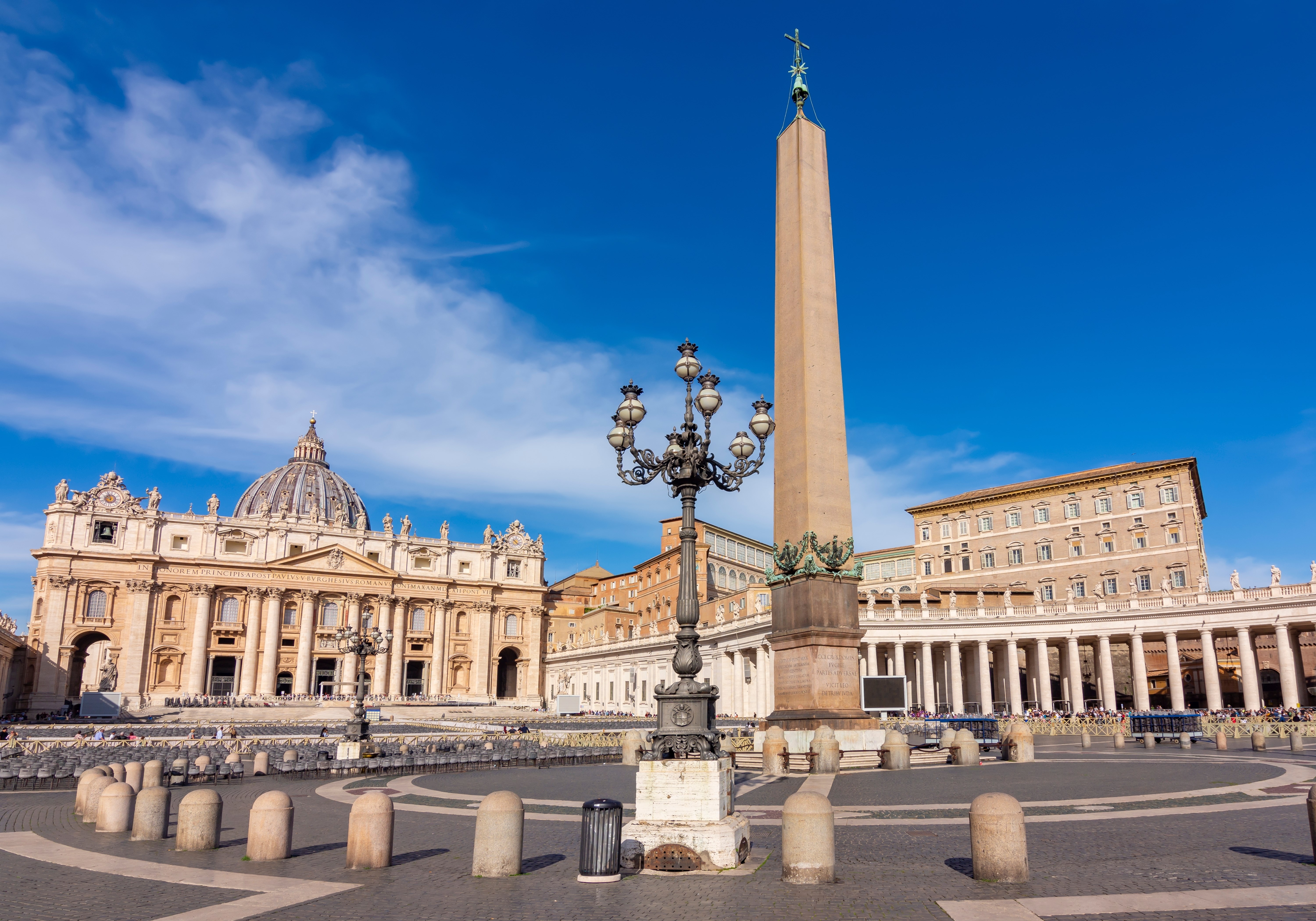 Foto: Mistervlad/Shutterstock
Headquarters of the Roman Catholic Church and home to the Pope, the Vatican City is an ecclesiastical state and the smallest state in Europe, both in dimension and population. Though teeny tiny, the state holds 11 noteworthy museums, including the Michelangelo-decorated Sistine Chapel (perhaps the greatest gem), St Peter's Basilica, and St Peter's Square. Marvel at the Vatican's treasures with your booked-ahead tour and avoid lining up in notoriously slow-moving queues.
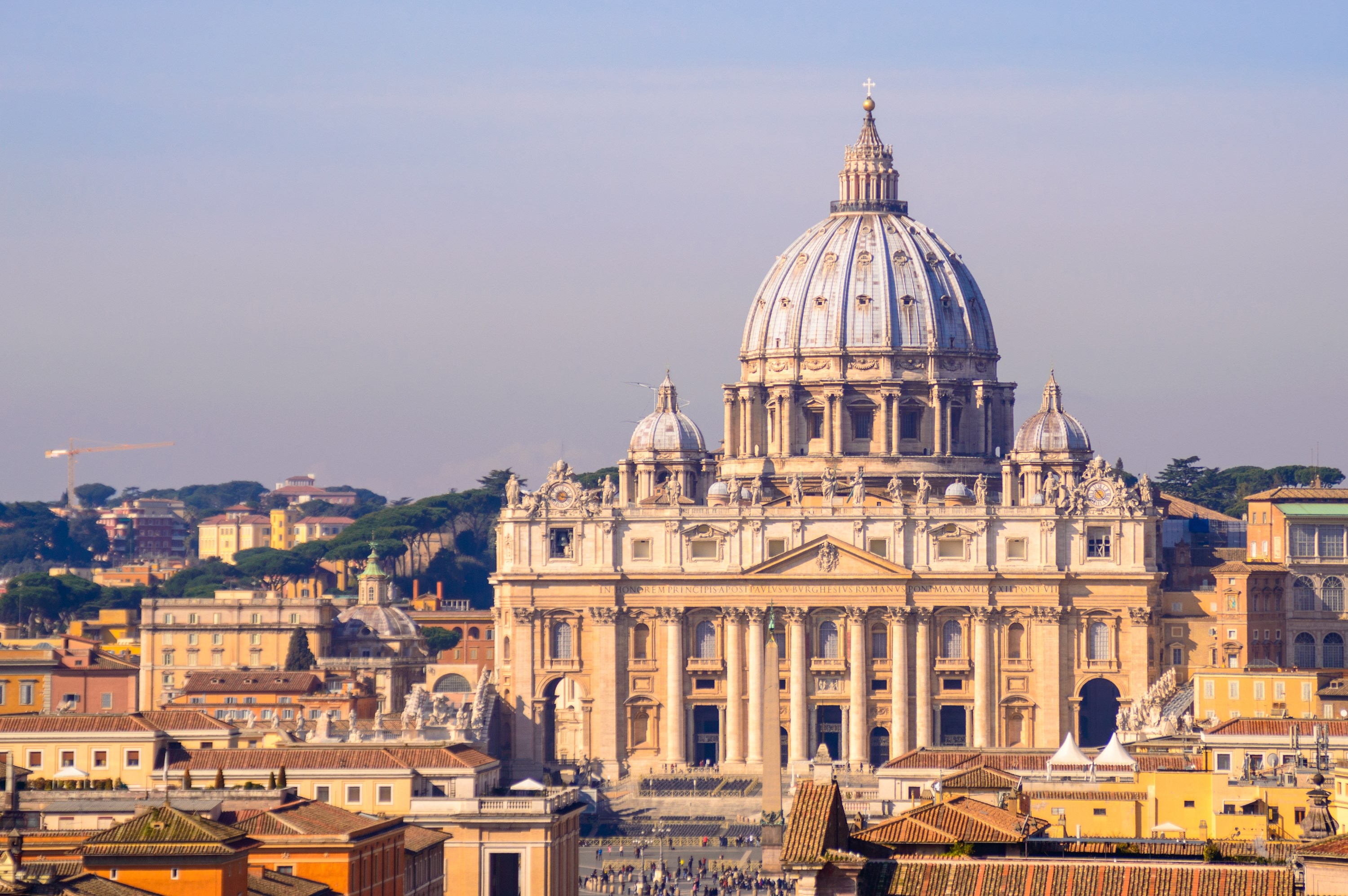 Foto: Thoom/Shutterstock
The late Renaissance St Peter's Basilica is an iconic landmark of the Vatican City, a monumental structure that the likes of Michelangelo helped bring into existence. Today, the basilica is open to visitors wishing to explore its inside naves and chapels and see works of art by great masters such as Raphael and Bernini. While here, don't miss out on climbing to the top of the dome, where the stunning view of St Peter's Square awaits you.
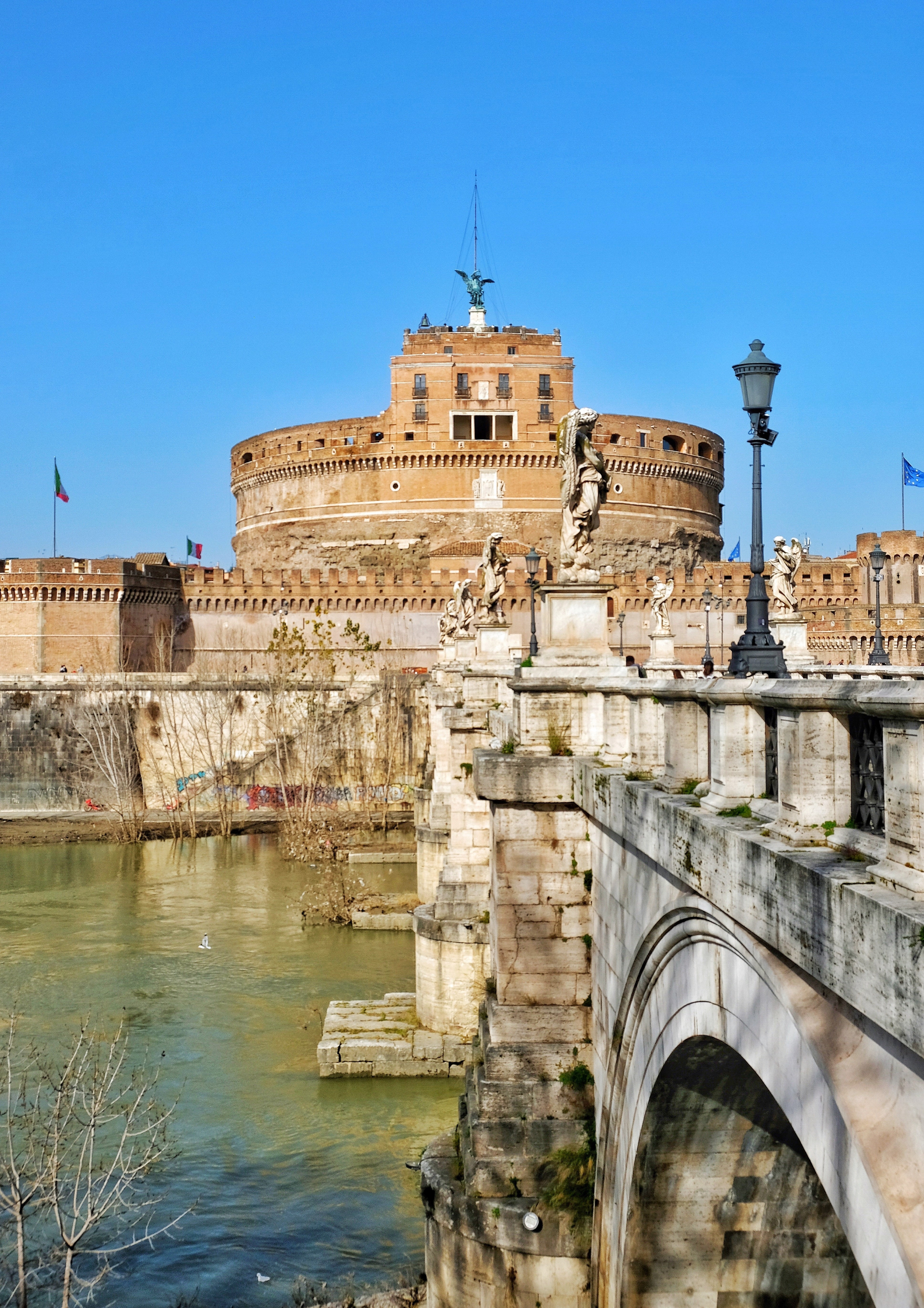 Foto: Niccolò Chiamori/Unsplash
Located on the right bank of the Tiber River, guarding one of Rome's oldest bridges, the Castel Sant'Angelo is an imposing cylindrical building, initially commissioned by Emperor Hadrian as a mausoleum for himself and his family. It was later converted into a fortress, a papal residence, and a prison. Now, it's a museum offering beautiful views of Rome.
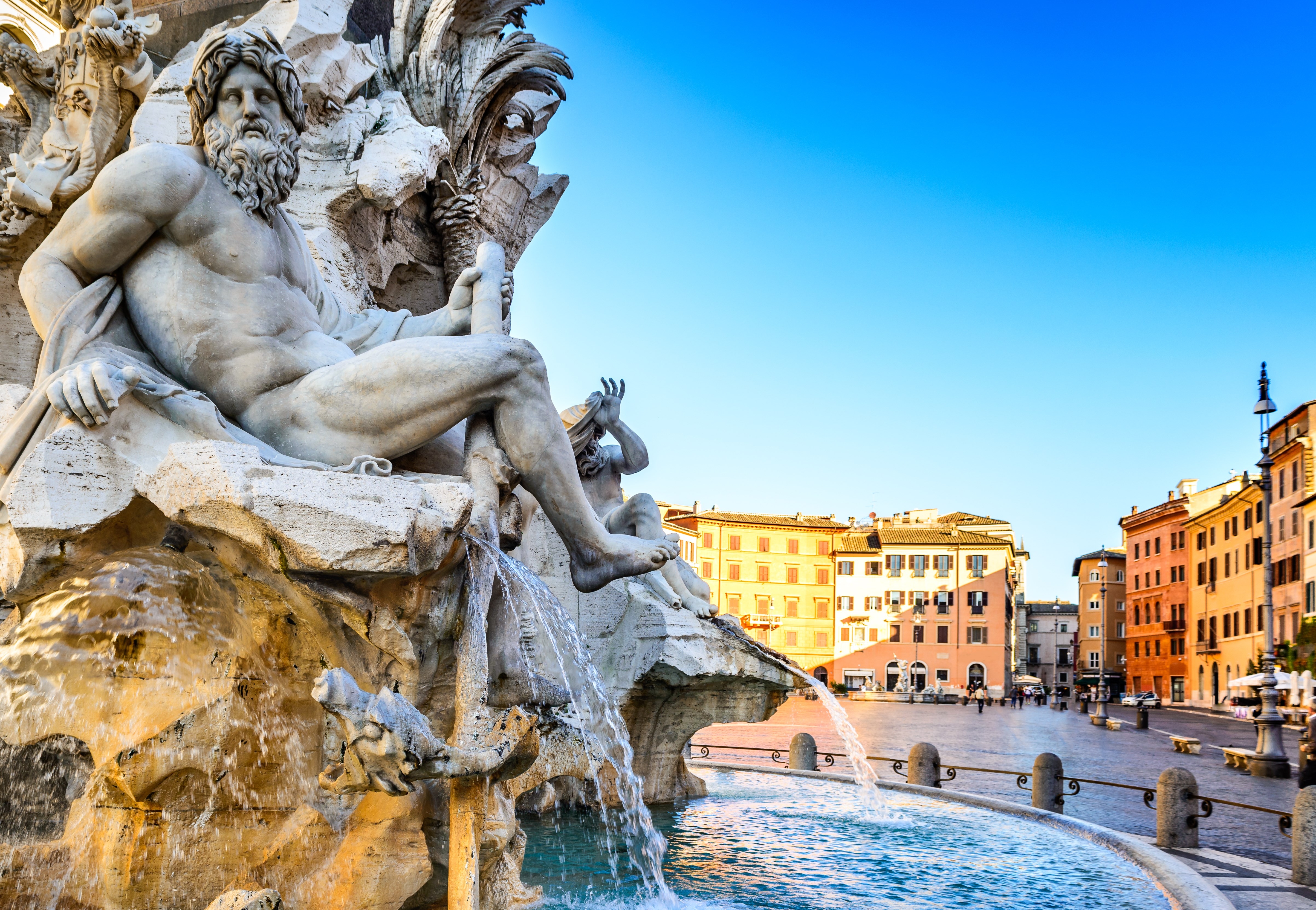 Foto: ecstk22/Shutterstock
The elongated Piazza Navona with its three impressive fountains, including the Fontana dei Quattro Fiumi with the Egyptian obelisk at its centre, is Rome's most famous and vibrant square. Built in the 1st century AD, the square used to be a stadium for athletic competitions and could accommodate over 20,000 spectators. The backdrop of Baroque architecture, tourists, street artists, restaurants, and bars makes it the perfect setting to cherish the moment.
Foto: Viacheslav Lopatin/Shutterstock
Built under Emperor Vespasian in A.D. 70-72 and completed by his son Titus 10 years later, the Flavian Amphitheatre, or the Colosseum, is a massive stone arena, which at its peak, could accommodate 80,000 spectators. As in the movie 'Gladiator,' the Colosseum has hosted violent and brutal displays of gladiatorial combats and wild animal fights, all just for the delight of crowds. The inauguration lasted one hundred days, and approximately 9,000 animals and 2,000 gladiators were killed during the event. Today, the Colosseum is Rome's most visited sight, which never fails to leave visitors awe-struck. Be sure to also come here at night when it looks even more magical.
Foto: Mazur Travel/Shutterstock
Designed by Salvi and completed by Pannini in 1762, the striking Fontana di Trevi amazes onlookers with its 26.3-metre height and 49.15-metre width, making it the largest Baroque fountain in the city and the most famous one in the world. Famous on screen in films such as Roman Holiday and Fellini’s La Dolce Vita, it remains a magnet for visitors who toss coins over their shoulders for luck.
 Foto: Minerva Studio/Shutterstock
La Rinascente is a slightly more exclusive department store, carrying many high-end brands. They have everything from clothes to shoes, perfume and accessories. After a long day of shopping, you can enjoy a walk through the nearby Villa Borghese gardens.
 Foto: Minerva Studio/Shutterstock
Galleria Alberto Sordi is a beautiful 19th-century arcade with enormous cut-glass chandeliers and a vaulted glass roof, named after the very popular, now-late actor Alberto Sordi. It houses a variety of shops and coffee bars, but mainly fashion clothes, and the bookshop Feltrinelli, which has a wide range of guides and books in various languages.
 Foto: michaeljung/Shutterstock
Coin specialises in men's and women's clothing and beauty items. Not only will you find shoes, bags, jewellery, and perfumes, but also a great selection of high-quality kitchen and bathroom gadgets.
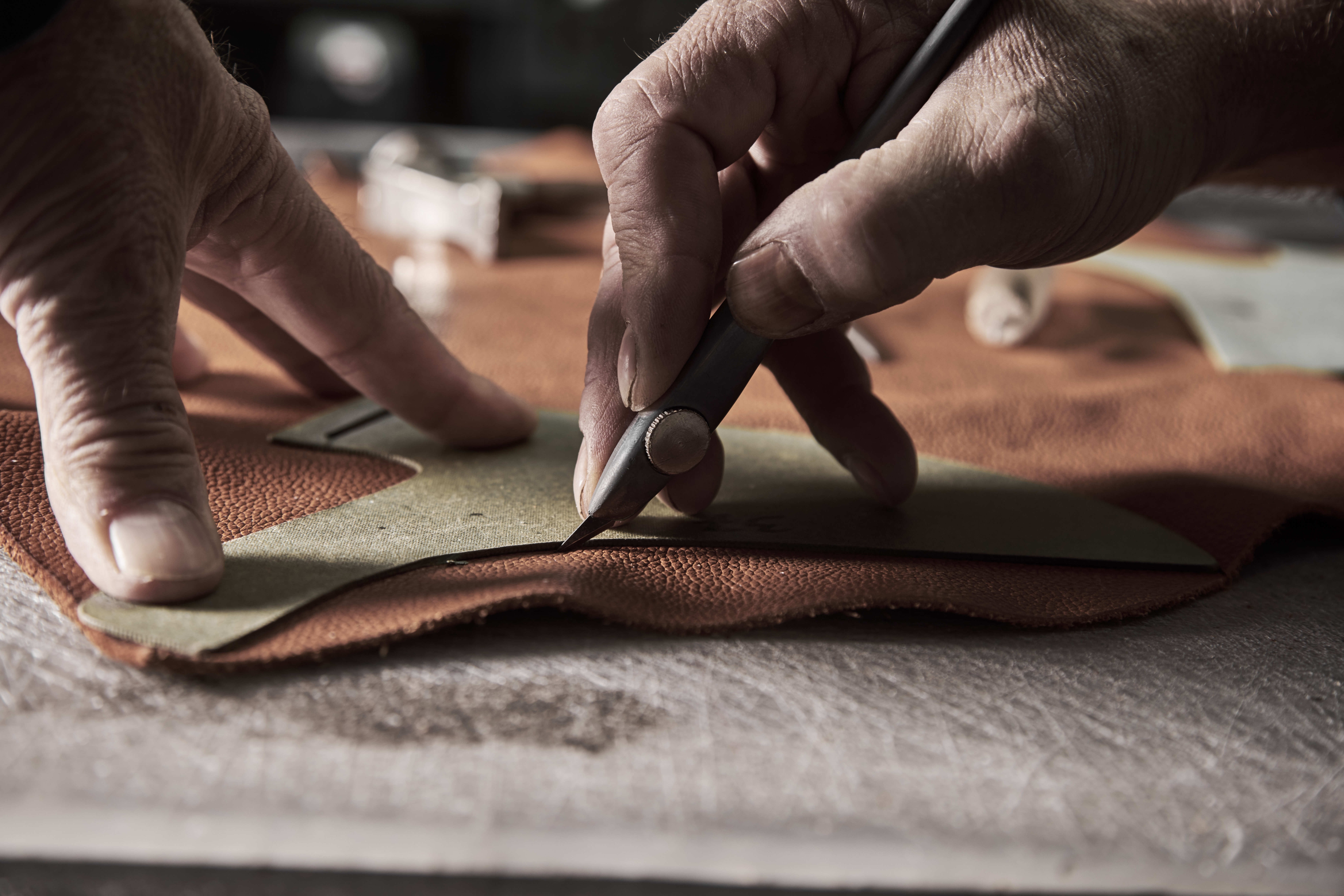 Foto: Anel Alijagic/Shutterstock
Battistoni is a fashion institute that began its business in 1946 in Rome, creating flawless, tailored garments for men. If you're looking for an elegant Italian design, then you have come to the right place.
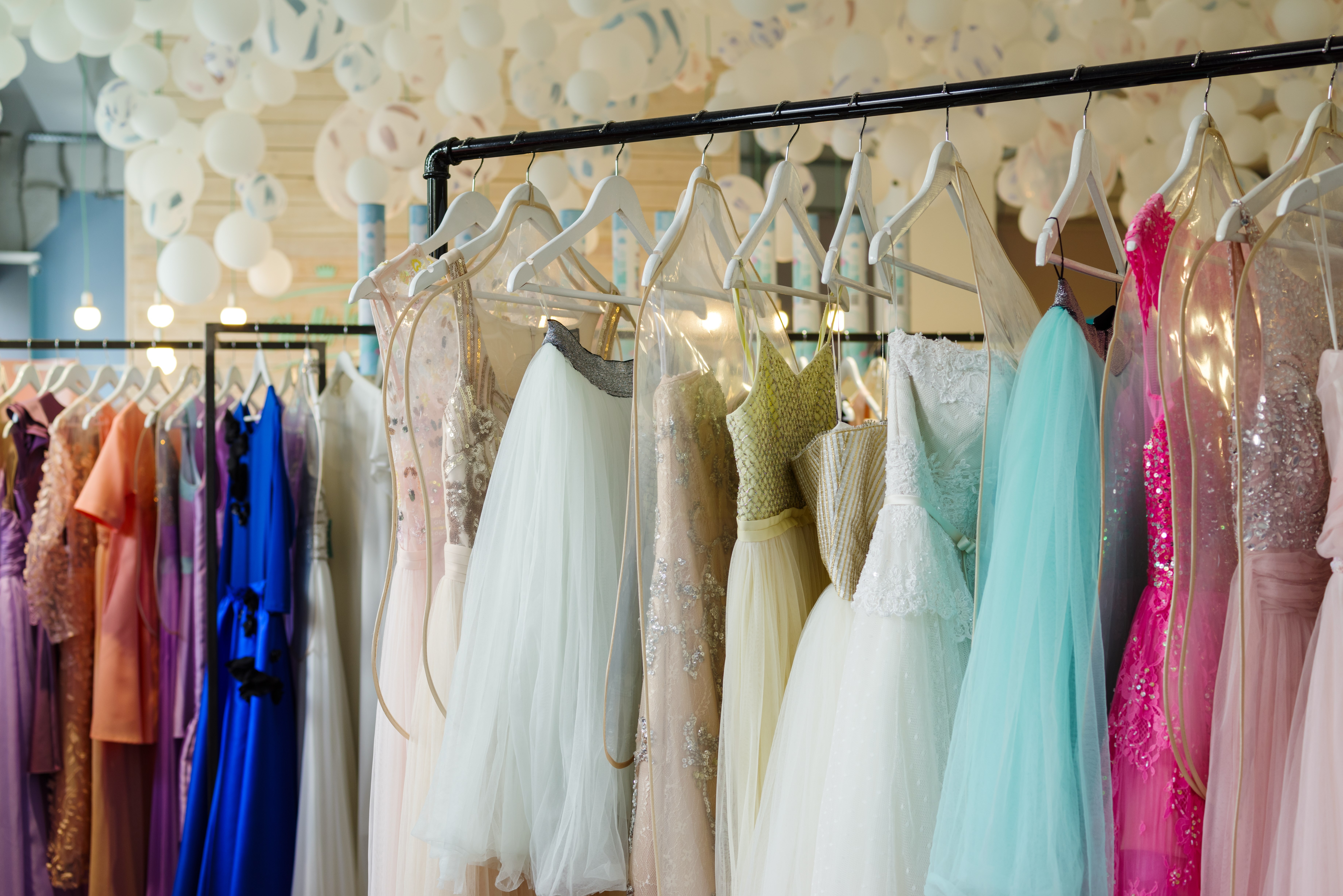 Foto: P A/Shutterstock
Vanessa Foglia, the daughter of the famous stylist Raffaella, who reigned over the Italian fashion scene in the last century, was immersed in the world of fashion from an early age. Her passion for art, fine fabrics, harmonious colours, and meticulous attention to detail was nurtured by her upbringing. Now, as a designer, she brings her artistic background to life at Vanessa Foglia Abitart, where you can find unique and vibrant women's clothing that reflects her creative flair. Each piece is a one-of-a-kind masterpiece, capturing the essence of her love for fashion and her dedication to creating colourful and captivating garments.
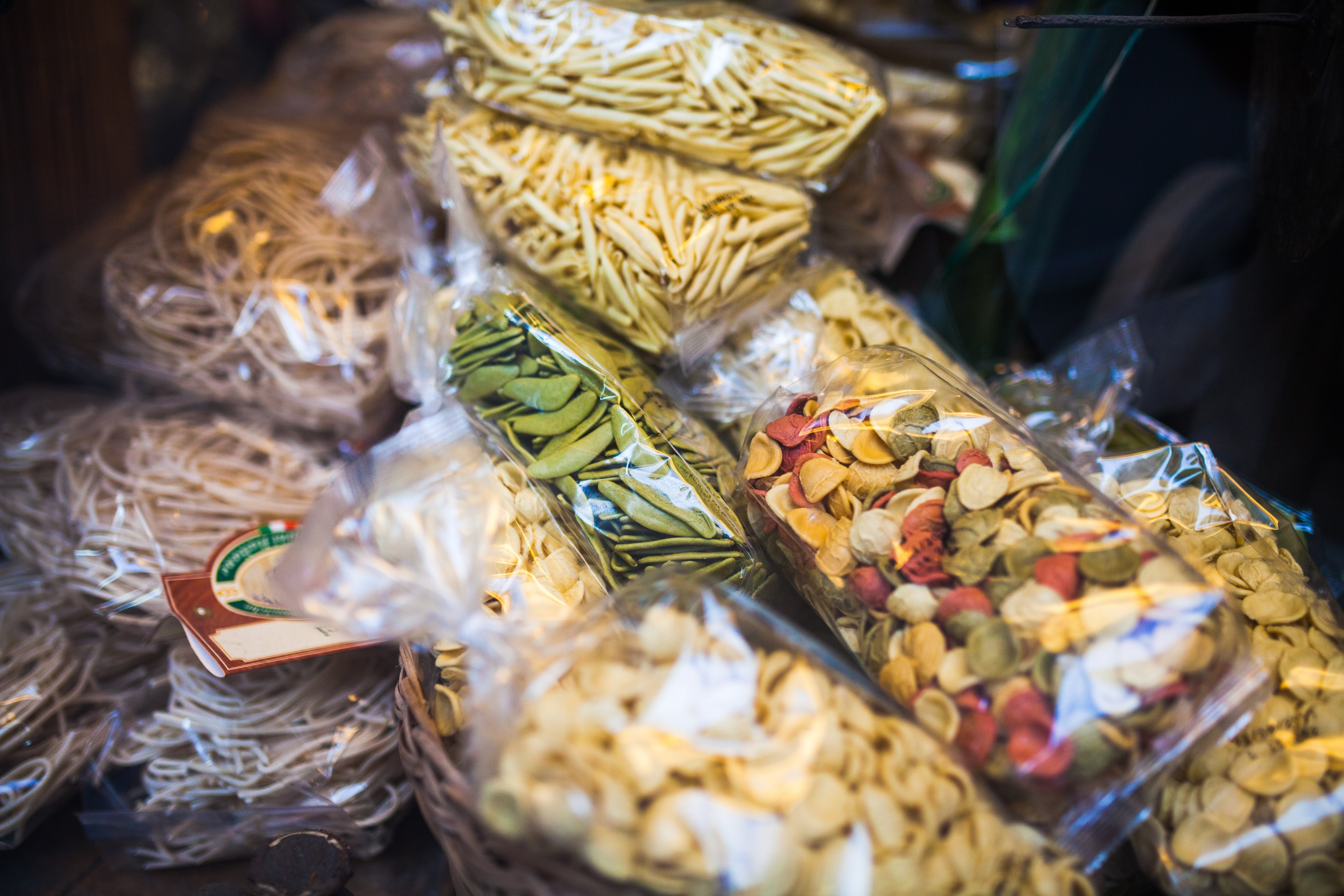 Foto: sashk0/Shutterstock
Eataly is a famous megastore chain offering high-quality Italian delicacies. In Rome, they are situated at Ostiense railway station and provide you with multiple floors of food heaven. You can pick up some souvenirs, attend cooking classes, or visit one of their restaurants.
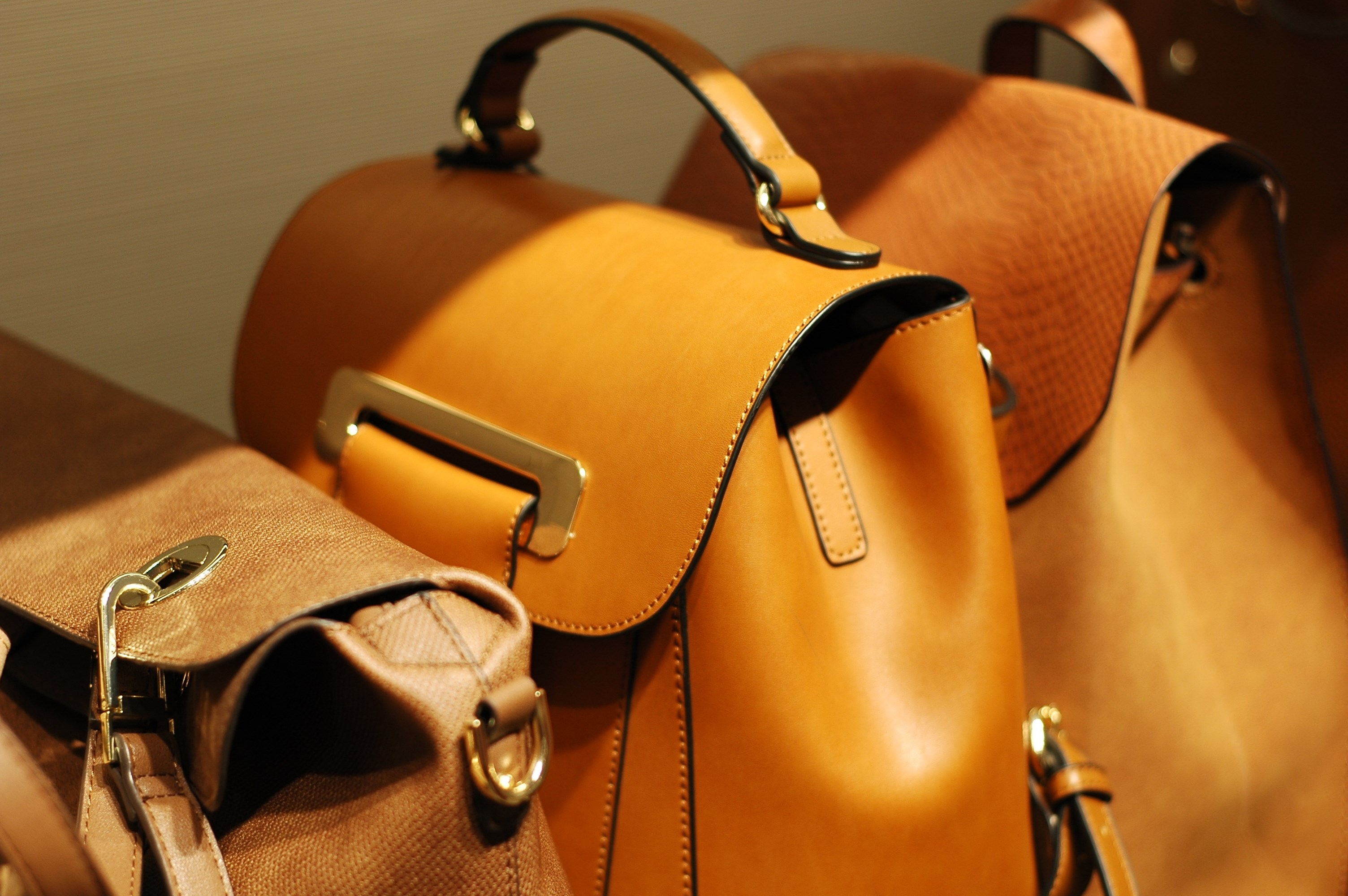 Foto: Vitalii Kirdan/Shutterstock
Peruse the high-quality leather creations of Carlo Cecchini, whose strong creativity and imagination result in a vast range of designs conceived for a varied crowd of all ages and styles. His production of bags, totes, wallets, shoes, and purses, follows the guiding principles of the old Italian leather-making traditions, only using top-quality raw materials treated and manufactured according to centuries-old traditions.
 Foto: mentatdgt/Shutterstock
For a unique shopping experience, just 20 minutes from Rome you'll find the Designer Outlet Castelromano McArthurGlen with all your favourite labels offering discounts of 30-70%, all year round.
Foto: Minerva Studio/Shutterstock
La Rinascente is a slightly more exclusive department store, carrying many high-end brands. They have everything from clothes to shoes, perfume and accessories. After a long day of shopping, you can enjoy a walk through the nearby Villa Borghese gardens.
Foto: Minerva Studio/Shutterstock
Galleria Alberto Sordi is a beautiful 19th-century arcade with enormous cut-glass chandeliers and a vaulted glass roof, named after the very popular, now-late actor Alberto Sordi. It houses a variety of shops and coffee bars, but mainly fashion clothes, and the bookshop Feltrinelli, which has a wide range of guides and books in various languages.
Rome’s main airport, Leonardo da Vinci (FCO), is located in Fiumicino, 30 km from central Rome, roughly a 30–40 minute drive depending on traffic. One of the most convenient ways to reach town is the non‑stop Leonardo Express train from the airport station to Roma Termini, which takes 32 minutes and runs every 15–30 minutes. A cheaper alternative is the regional train (FL1) to stations like Trastevere, Ostiense or Tiburtina, useful if your accommodation is outside the historic centre (ticket fares are lower, but you may need a connecting ride). For budget travellers, shuttle‑bus services such as Terravision or similar companies link FCO with central Rome in around 50–70 minutes, depending on traffic.
The city’s second airport, Ciampino (CIA), is situated 12km southeast of central Rome and is mainly served by low-cost and charter airlines. Some of these airlines have their own buses. The regular buses depart from the nearby underground station, Anagnina. A taxi ride from the airport and central Rome takes 20 minutes.
Rome is a great city to visit year-round, though the experience varies by season. Summer (June–August) brings hot weather and large crowds, with outdoor concerts, open-air film screenings, and Ferragosto celebrations on 15 August, when many locals leave the city. Spring (March–May) and autumn (September–November) are quieter, with milder temperatures, blooming gardens, wine and food festivals, and events like the Rome Film Festival in October. Winter (December–February) is cooler and less crowded, but festive lights, Christmas markets in Piazza Navona, and New Year’s Eve fireworks at Circo Massimo create a memorable atmosphere. For fewer tourists and lower accommodation costs, October to April is generally the best period to visit.
Is Rome a safe place to visit? Despite being a major European capital and one of the most visited cities in the world, Rome is a fairly safe city for travellers. However, as with most main tourist destinations, pickpocketing and scams are the biggest concerns here. So be careful with your belongings when taking public transport and around the city's main attractions, and avoid canvassers. Is Rome expensive? Yes, Rome is quite an expensive city to visit but slightly cheaper than other European destinations, such as London and Paris, especially when it comes to accommodation. As of today, the average cost per traveller in Rome is between €80-130 per day. Does Rome have Uber? Yes, the Uber app does work in Rome, and it is totally legal to take one, despite what a few taxi drivers may tell you. However, because there is no UberX or UberPOOL and only Uber Black, Uber Van, and Uber Lux, fares do tend to be higher. For more information on how to get around in Rome, read our sections on Taxi and Public Transport.
Citizens of European Union (EU) and European Economic Area (EEA) countries do not need a visa to enter Italy, only a valid ID. Many other countries, including the United Kingdom, United States, Canada, United Arab Emirates, Australia, and New Zealand, benefit from visa-free entry for short stays of up to 90 days within a 180-day period. Visitors from visa-exempt countries must hold a valid passport and, starting in late 2025, will need to apply for an ETIAS (European Travel Information and Authorisation System) authorisation online before travelling. For those requiring a visa, such as travellers from some Middle-East, African or Asian nations, a Schengen visa must be obtained prior to arrival. All travellers should ensure their passport is valid for at least three months beyond their intended stay.
Getting around Rome is straightforward and affordable using public transport, though much of the historic centre is compact enough to explore on foot. The network includes three metro lines (A, B and C), buses, trams and urban/regional rail, all run by ATAC. Tickets and passes, from 24‑hour to weekly, are available at machines, newsagents and ATAC offices. The metro runs until around 23:30 (later on weekends), while night buses (marked “N”) cover key routes after hours. For information on fares, routes and timetables, visit ATAC's official website.
Official taxis in Rome are all white, with a “TAXI” sign on the roof and the City of Rome emblem plus licence number clearly displayed. You’ll find them at taxi stands near major squares, train stations, and tourist sites; street‑hailing is possible but less common, so using a stand or booking ahead is usually more reliable. App-based booking services like FreeNow and IT Taxi connect you with licensed taxis, while Uber operates only through premium or taxi-based services.
Post offices in Rome are usually open from 9am to 2:30pm, from Monday to Friday and between 9:30am–1pm on Saturdays. Stamps can be bought at tobacconists that either carry a blue and white "Tabacchi" sign or are simply marked by the ”T” sign.
Rome’s main airport, Leonardo da Vinci (FCO), is located in Fiumicino, 30 km from central Rome, roughly a 30–40 minute drive depending on traffic. One of the most convenient ways to reach town is the non‑stop Leonardo Express train from the airport station to Roma Termini, which takes 32 minutes and runs every 15–30 minutes. A cheaper alternative is the regional train (FL1) to stations like Trastevere, Ostiense or Tiburtina, useful if your accommodation is outside the historic centre (ticket fares are lower, but you may need a connecting ride). For budget travellers, shuttle‑bus services such as Terravision or similar companies link FCO with central Rome in around 50–70 minutes, depending on traffic.
The city’s second airport, Ciampino (CIA), is situated 12km southeast of central Rome and is mainly served by low-cost and charter airlines. Some of these airlines have their own buses. The regular buses depart from the nearby underground station, Anagnina. A taxi ride from the airport and central Rome takes 20 minutes.